
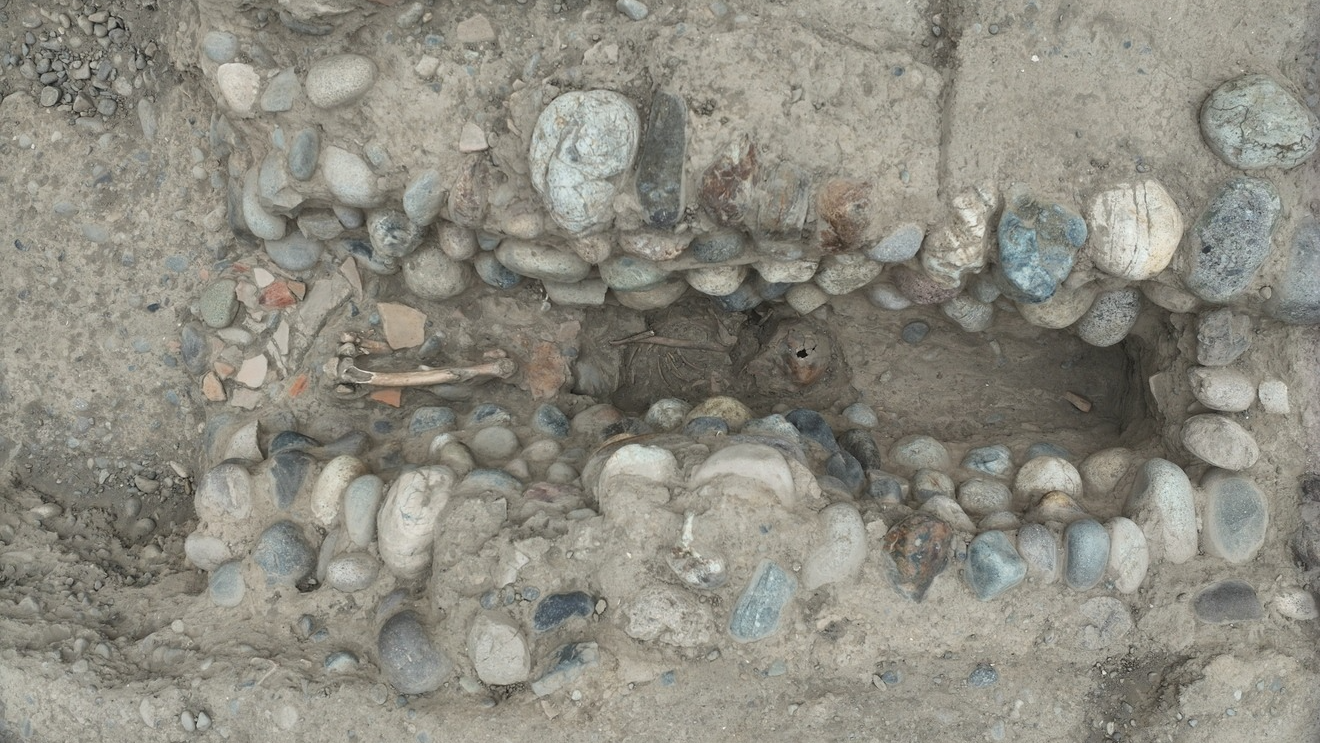
Ancient Peru Skeleton
1,400-year-old skeleton found in Peru may be human sacrifice victim
Introduction To Ancient Peru
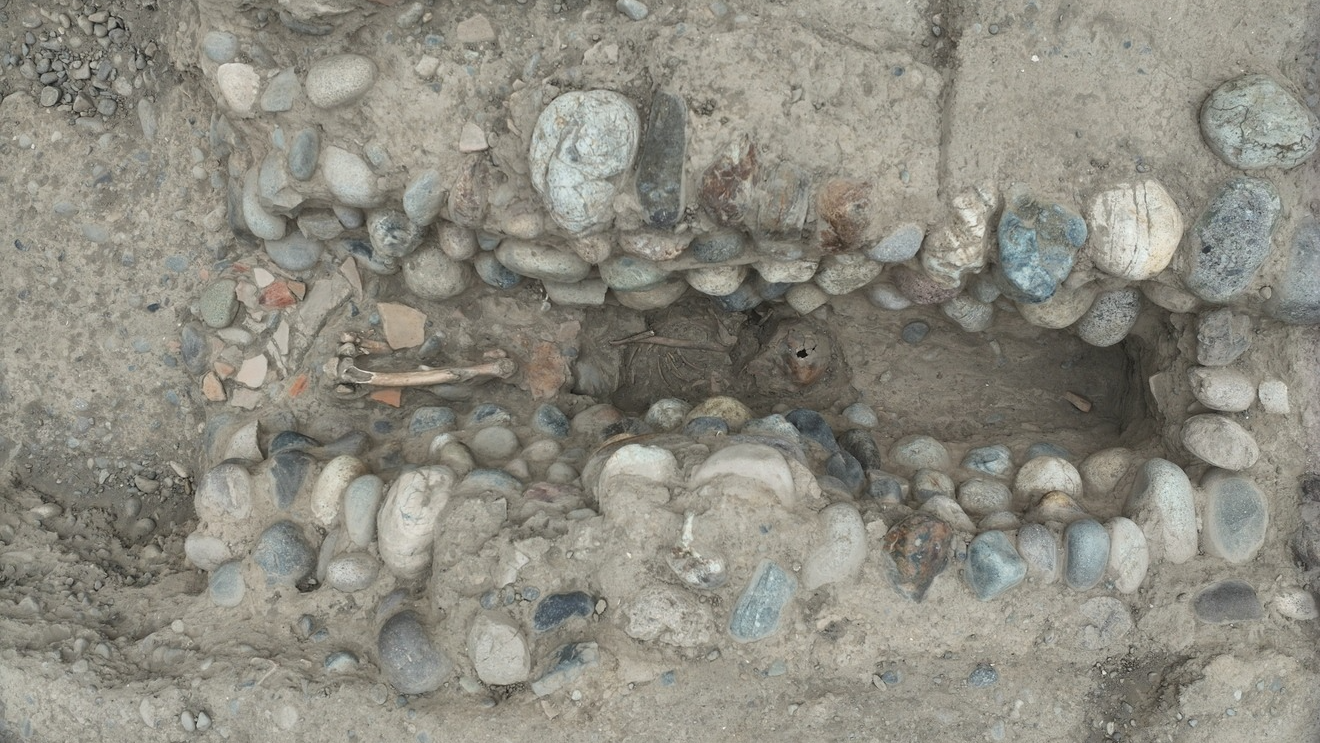
A recent archaeological discovery in Peru has shed new light on the ancient cultures that once flourished in the region. A 1,400-year-old skeleton was found in an underground channel near the pyramid of Huaca Pucllana, a site that was once the center of a ceremonial complex. The skeleton, which is believed to be that of an adult male, was discovered in a water channel that leads to a ceremonial well, and its placement suggests that it may have been a human sacrifice.
Background Context
The Huaca Pucllana site was established around A.D. 400 and was occupied by different pre-Hispanic cultures until around 1440. The site is known for its large platform pyramid, which was built by the Lima culture as the focal point of a ceremonial center. The Lima people performed various rituals at Huaca Pucllana, including the ritual destruction of massive pots, ritual banquets, and human sacrifice. The discovery of the skeleton is not the first evidence of human sacrifice at the site, as previous discoveries have included burials of adults and children who were believed to have been sacrificed to satisfy rituals associated with construction and architectural modifications of the pyramid.
Experimental Methodology
The discovery of the skeleton was made by archaeologists who were excavating the underground water channel at the Huaca Pucllana site. The channel was found to be made of river stones, which is an unusual building technique for the Lima people. The skeleton was found resting on its left side, with its skull facing the ocean and the Huaca Pucllana pyramid. This placement suggests that the skeleton was intentionally placed in this position, and may have been a human sacrifice. Further analyses of the skeleton and the underground water infrastructure may reveal new clues to the "closing ceremonies" at the ritual well.
Key Findings
The skeleton has been dated to around A.D. 650, and is believed to be that of an adult male based on the shape of the pelvis and skull. However, additional studies will be needed to officially confirm the sex, as well as the age at death and any trauma on the skeleton that could suggest the person was sacrificed. The discovery of the skeleton provides new insights into the rituals and practices of the ancient cultures that once flourished at Huaca Pucllana, and highlights the importance of continued archaeological research at the site.
Real-World Implications
The discovery of the skeleton has significant implications for our understanding of the ancient cultures that once flourished in Peru. It highlights the importance of human sacrifice in the rituals and practices of these cultures, and provides new insights into the ways in which they believed that human sacrifice could be used to appease their gods and ensure the fertility of their land. The discovery also underscores the importance of continued archaeological research at sites like Huaca Pucllana, which can provide valuable insights into the lives and practices of ancient cultures.
Future Outlook
Further research is needed to fully understand the significance of the skeleton and its placement in the underground water channel. Additional studies of the skeleton and the underground water infrastructure may reveal new clues to the "closing ceremonies" at the ritual well, and provide further insights into the rituals and practices of the ancient cultures that once flourished at Huaca Pucllana. The discovery of the skeleton is an important reminder of the importance of continued archaeological research, and highlights the need for further exploration and excavation at sites like Huaca Pucllana.
Sources
This is an original synthesis by Qivorane based on reporting from the outlets below.