

Nepal Floods: Glacier Collapse
Nepal floods caused by glacier collapse, landslides, and climate change
Introduction To Nepal Floods
The recent floods in Nepal have left a trail of destruction, with over 330 people dead and more than 1,500 missing. Scientists are pointing to a glacier collapse as a key cause of the deadly floods that have swept through parts of Nepal and Tibet. The glacier in question lies to the north of Langtang Lirung, a peak more than 7,000 meters above sea level in the Himalayas.Glacier Collapse And Landslides
The glacier collapse is believed to have triggered a massive landslide, which in turn caused the flash flooding. The impact of this glacial material was so powerful that the U.S. Geological Survey (USGS) initially confused it for an earthquake, with a seismic shock reaching magnitude 5.2. Researchers suspect that the ice and rock shed by the glacier entered the Lhende Kola river valley at an elevation of around 17,060 feet, and that the debris may have temporarily blocked the river before releasing a larger surge downstream.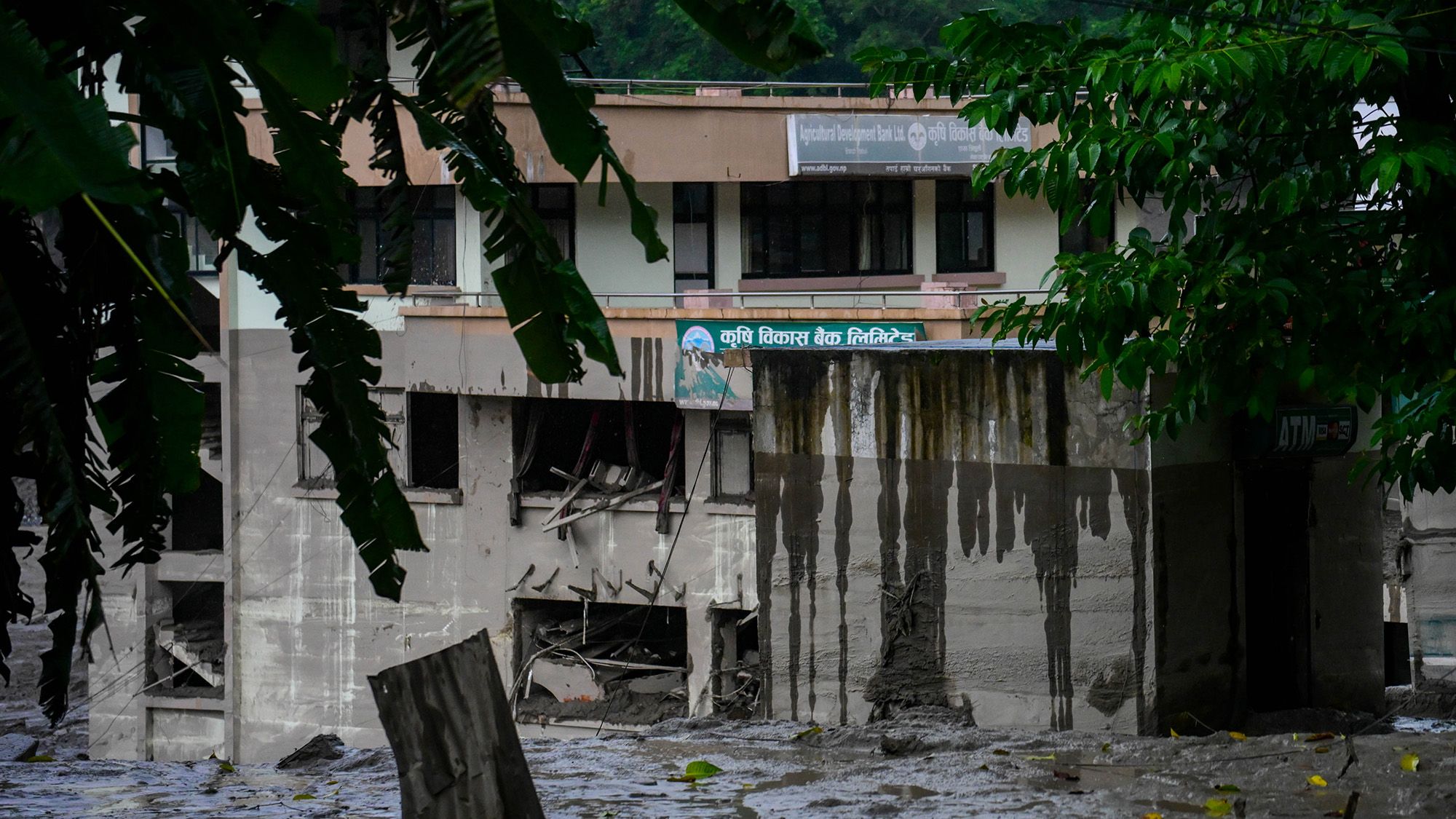
Cascading Hazards
The disaster in Nepal is an example of a "cascading event," where one hazard triggers another. In this case, the glacier collapse triggered a landslide, which in turn caused the flash flooding. Climate change is known to be driving faster glacier melt in the Hindu Kush Himalaya region, but scientists say it is too soon to pinpoint its role in these floods. However, the changing conditions in the region, including retreating glaciers and degrading permafrost, are increasing the risk of such events.Real-World Implications
The floods in Nepal have had a devastating impact on the local community, with hundreds of houses swept away and many more damaged. The disaster has also highlighted the need for improved awareness and disaster preparedness in the region, which is increasingly vulnerable to climate change. The main lesson from the disaster is to improve awareness and disaster preparedness for a region that is increasingly vulnerable to climate change.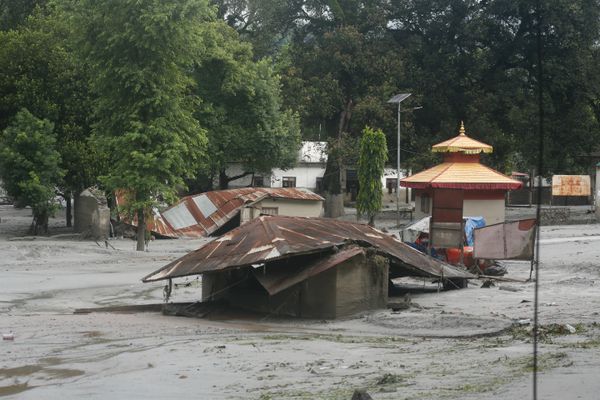
Future Outlook
The floods in Nepal are a sign of things to come, with climate change increasing the risk of such events in the future. Scientists warn that the region is likely to experience more frequent and intense floods, landslides, and other natural disasters. Investing in early-detection systems and improving disaster preparedness are crucial steps in mitigating the impact of these events.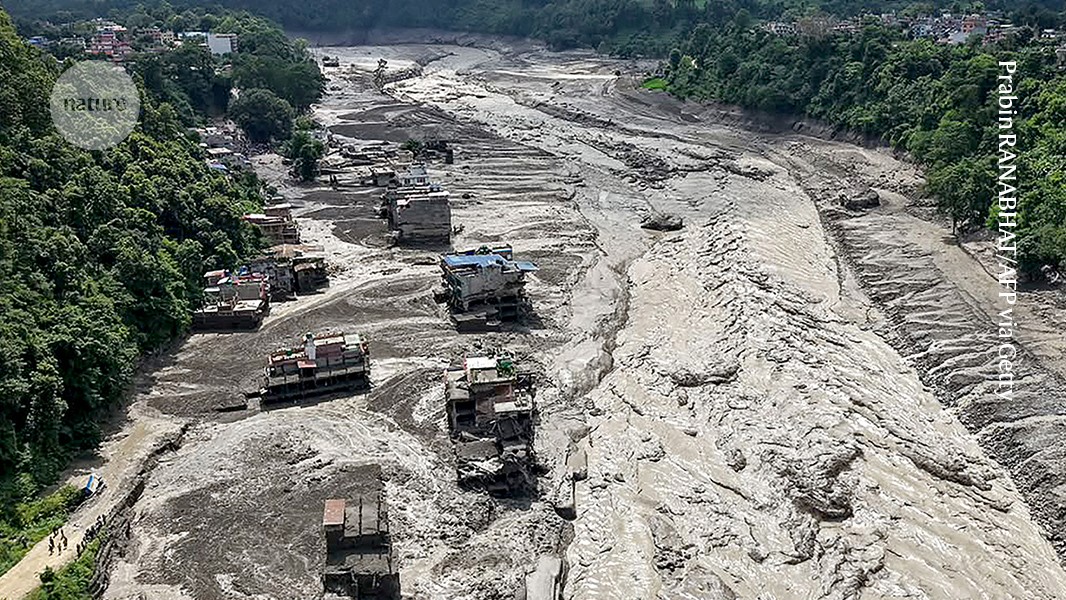
Conclusion
The floods in Nepal are a tragic reminder of the impact of climate change on vulnerable communities. The disaster has highlighted the need for improved awareness and disaster preparedness, as well as the importance of addressing the root causes of climate change. By understanding the causes of such events and taking steps to mitigate their impact, we can work towards creating a more resilient and sustainable future.
Sources
This is an original synthesis by Qivorane based on reporting from the outlets below.
- [1] BBC Science & Environment: What caused the flooding in Nepal?
- [2] Live Science: Devastating Nepal floods were triggered by glacier collapse, experts say — and there's a risk of more landslides to come
- [3] Scientific American: What Nepal's floods reveal about “cascading hazards”
- [4] Nature News: Glacier collapse caused Nepal’s deadly flash flood — a sign of things to come?