
El Niño At Its Strongest
El Niño events are intensifying due to climate change, study finds
Introduction To El Niño
El Niño, a natural climate phenomenon, has been a subject of interest for researchers due to its significant impact on global climate patterns. The phenomenon occurs when the tropical Pacific becomes warmer than usual, leading to changes in rainfall patterns and reinforcing weakened winds. Recently, a study published in Science has shed light on the intensity of El Niño events over the past 1,000 years, suggesting that today's El Niños are the strongest in 1,000 years.Understanding El Niño Through Coral Records
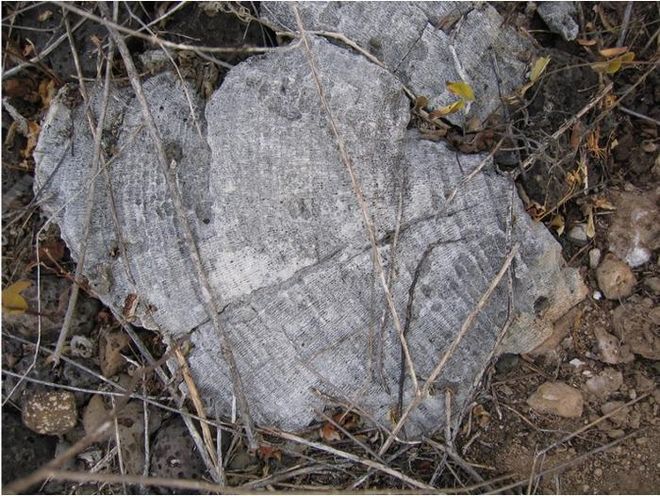
To understand the history of El Niño, researchers from the University of Michigan analyzed 13 coral samples from the Galápagos Islands, including living colonies and ancient coral boulders. Corals build their skeletons layer by layer as they grow, preserving chemical clues about the seawater around them. By analyzing those layers, the researchers reconstructed temperature changes and El Niño activity over much of the last millennium. The record showed a striking pattern: strong El Niños occurred repeatedly during the past 40 to 50 years, while earlier events were generally less intense.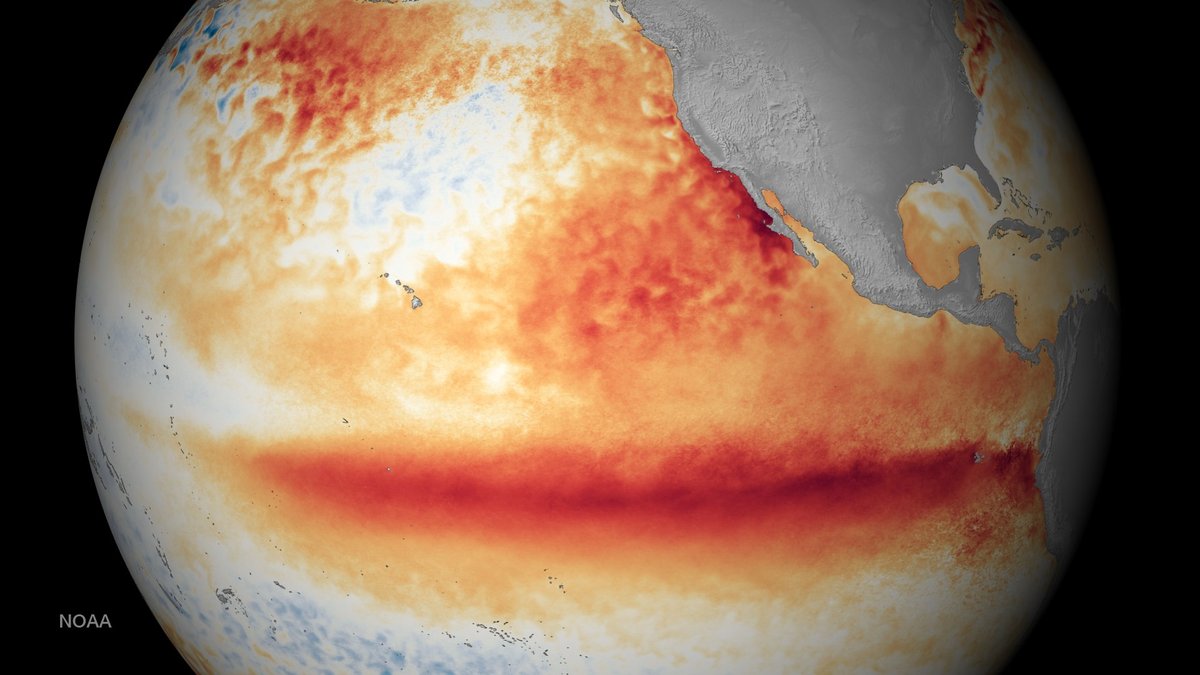
Climate Change And El Niño
The study found that El Niño events over the past 40 years were stronger than any in the 1,000 years before the Industrial Revolution, with an almost 40 percent increase in El Niño intensity over the past four decades. The findings suggest that global warming may be amplifying El Niño, potentially making it stronger. According to Julia Cole, lead study author, "We don't see a time in the past where El Niños have been as strong as today, and we show that the strength of El Niño changes in parallel with the warming of global temperature." The team used climate models to test whether natural factors, including volcanic eruptions and changes in solar activity, could explain the recent shift, but found no evidence that natural processes alone could have produced such a large increase in El Niño intensity.Implications Of Stronger El Niños
The impacts of El Niño – droughts, floods, and storms – are already exacerbated by rising global temperatures. A warmer atmosphere intensifies both rainfall and droughts, leading to increased risks of crop failures, wildfires, and disease around the world. The current El Niño event is predicted to be one of the strongest on record, with sea surface temperatures in the east-central Pacific Ocean projected to reach 4°C above normal. According to Michael McPhaden at the US National Oceanic and Atmospheric Administration (NOAA), "If the current El Niño turns out to be as strong as we expect, that past decade will have witnessed three major El Niños – a sequence not seen before in the instrumental record dating back to the late 19th century."Future Outlook
The study's findings add to an emerging body of evidence that suggests the ENSO cycle is changing in response to rising temperatures. As global temperatures continue to rise, it is likely that El Niño events will become even stronger, leading to more severe climate extremes. Understanding the relationship between climate change and El Niño is crucial for predicting and preparing for future climate-related disasters. According to Kim Cobb, director of Brown University's Institute at Brown for Environment and Society, the new evidence is "a critical piece of the puzzle" in understanding how rising global temperatures are altering the El Niño cycle.Conclusion
In conclusion, the study of ancient corals from the Galápagos Islands has provided valuable insights into the history of El Niño events, suggesting that today's El Niños are the strongest in 1,000 years. The findings have significant implications for our understanding of the relationship between climate change and El Niño, and highlight the need for continued research into this complex and influential natural climate cycle.Sources
This is an original synthesis by Qivorane based on reporting from the outlets below.