
Ancient Sculpture Found
11,000-year-old sculpture discovered in Türkiye, shedding new light on Neolithic culture
Introduction To Neolithic Türkiye
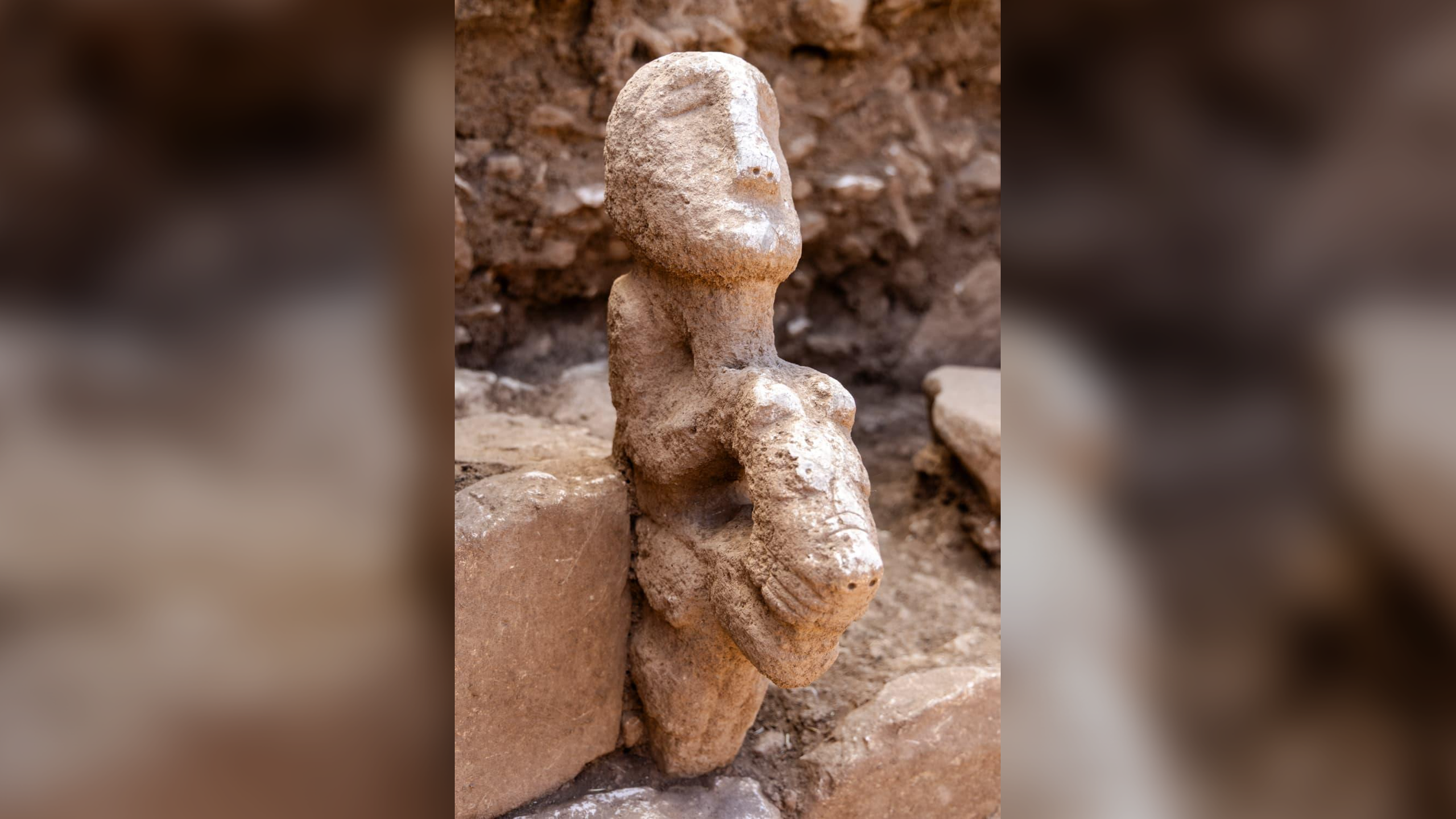
The recent discovery of an 11,000-year-old sculpture at Karahantepe, near Şanlıurfa in southeastern Türkiye, has provided a new glimpse into the lives of Neolithic people. The sculpture, which depicts a person riding a leopard, challenges the traditional visual narrative of human figures carrying animals on their backs. This finding has significant implications for our understanding of the culture and symbolism of the Neolithic period.The Sculpture And Its Significance
The sculpture, which stands 28 inches (70 centimeters) tall, was found on a bench inside a small stone building. It appears to have been deliberately left in place, possibly as part of a ritual or ceremonial practice. The discovery of this sculpture has sparked new questions about the earliest periods of human history and is expected to have a wide impact on the scientific community. As culture and tourism minister Mehmet Nuri Ersoy noted, "I believe this discovery, which opens the door to new questions about the earliest periods of human history, will have a wide impact on the scientific community."Comparison With Other Neolithic Sites
Karahantepe is part of a group of Neolithic sites in the region known as Taş Tepeler, or Stone Hills. These sites, which include Göbeklitepe, have produced a range of enigmatic artwork depicting humans and wild beasts. The newly discovered sculpture can be seen as a mirrored version of the known type of "animal mounting on top of a human." As Neolithic archaeologist Jens Notroff noted, the human-and-leopard motif may be linked to courage or strength, with leopards representing vigorous and dangerous animals that were challenging game for skilled hunters.The Context Of Karahantepe
Karahantepe is one of the oldest known villages in the world, built around 9750 B.C. in Turkey's Urfa province. The site has produced a range of significant discoveries, including an enormous 11,000-year-old statue of a man clutching his penis, which possibly represents an important ancestor. The discovery of the person riding a leopard sculpture provides new insights into the culture and symbolism of the Neolithic period, and its significance is expected to be widely debated among scholars.Implications And Future Research
The discovery of the sculpture has significant implications for our understanding of the Neolithic period and the culture of the people who lived in the region. As Notroff noted, the human-and-leopard motif may represent a symbol of power or control over vigorous and dangerous animals. Further research is needed to fully understand the significance of this discovery and its implications for our understanding of human history. The sculpture is a significant addition to the range of artwork and symbolism that has been discovered at Karahantepe and other Neolithic sites in the region.Conclusion And Future Outlook
The discovery of the 11,000-year-old sculpture at Karahantepe is a significant finding that provides new insights into the culture and symbolism of the Neolithic period. The sculpture, which depicts a person riding a leopard, challenges the traditional visual narrative of human figures carrying animals on their backs and provides a new perspective on the lives of Neolithic people. As research continues to uncover the secrets of the Neolithic period, this discovery is expected to have a wide impact on the scientific community and our understanding of human history.Sources
This is an original synthesis by Qivorane based on reporting from the outlets below.
- [1] Discover Magazine: An 11,000-Year-Old Sculpture of a Person Riding a Leopard Offers a New Glimpse Into Neolithic Türkiye
- [2] Live Science: 'Unlike anything seen before': Archaeologists unearth a unique, 11,000-year-old statue of a person riding a leopard from one of the world's earliest settlements