
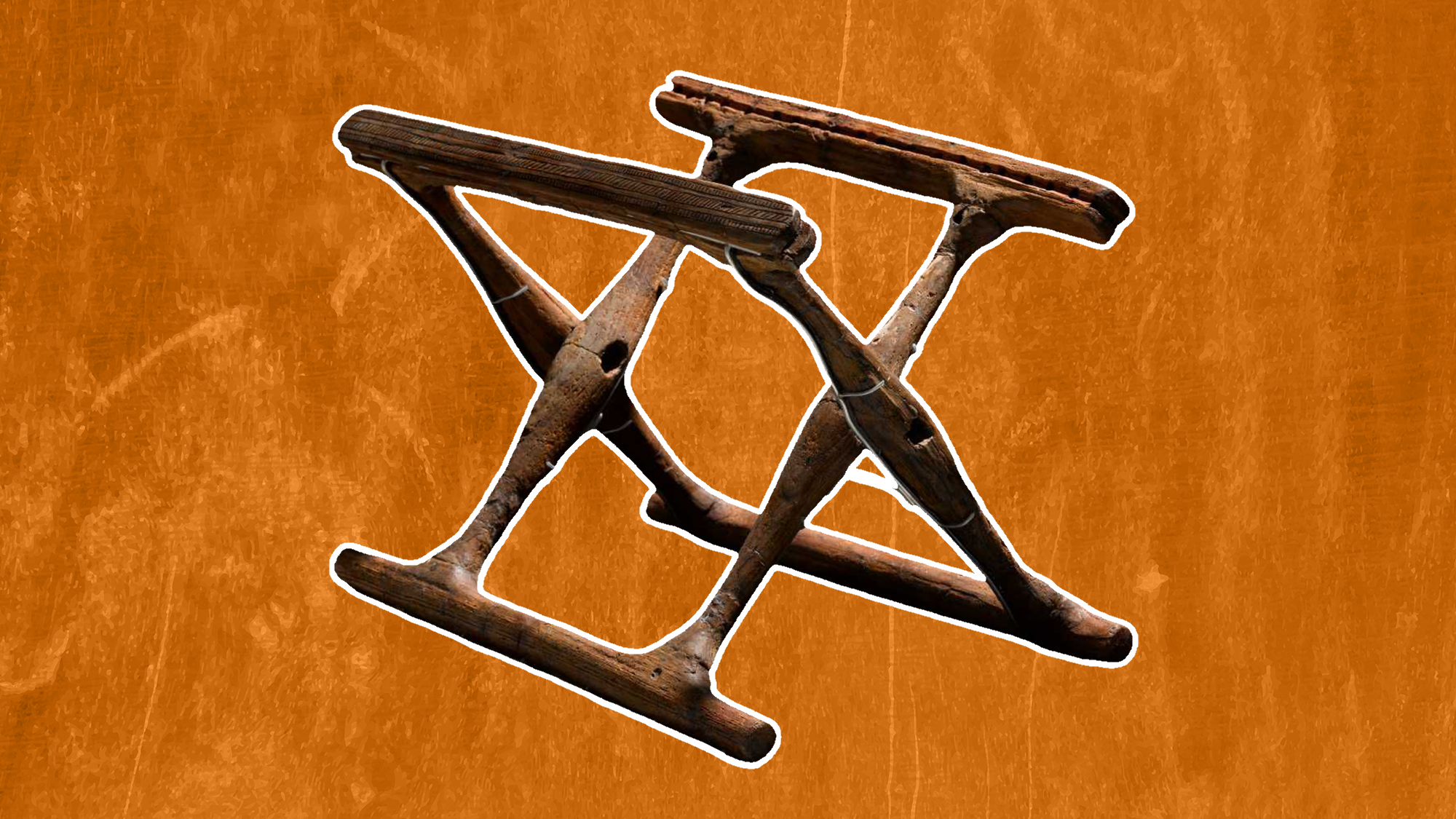
Guldhøj Folding Chair Discovery
The Guldhøj folding chair is the only completely preserved chair from Bronze Age Europe, dating back to 1400 B.C.
Introduction To The Guldhøj Folding Chair
The Guldhøj folding chair is an extraordinary archaeological find, discovered in a chieftain's grave in southern Denmark. This ancient chair, dating back to around 1400 B.C., is the only completely preserved chair from the Bronze Age in Europe. The chair was found in the Guldhøj burial mound, which was excavated by archaeologists with the National Museum of Denmark in 1891. The discovery of the chair has provided valuable insights into the lives of Bronze Age Europeans and their connections with other civilizations.Design And Construction Of The Chair
The Guldhøj folding chair is a remarkable example of ancient craftsmanship. The frame of the chair was made from ash wood, while the seat was crafted from otter skin. Although only a fragment of the otter skin has survived, it is still possible to appreciate the chair's original design. The wooden frame features patterns incised into the top, which were inlaid with a black, tar-like substance to create a band of geometric decoration. The chair's design is not only aesthetically pleasing but also functional, with two frames of wood that can be folded together to create a low chair or stool.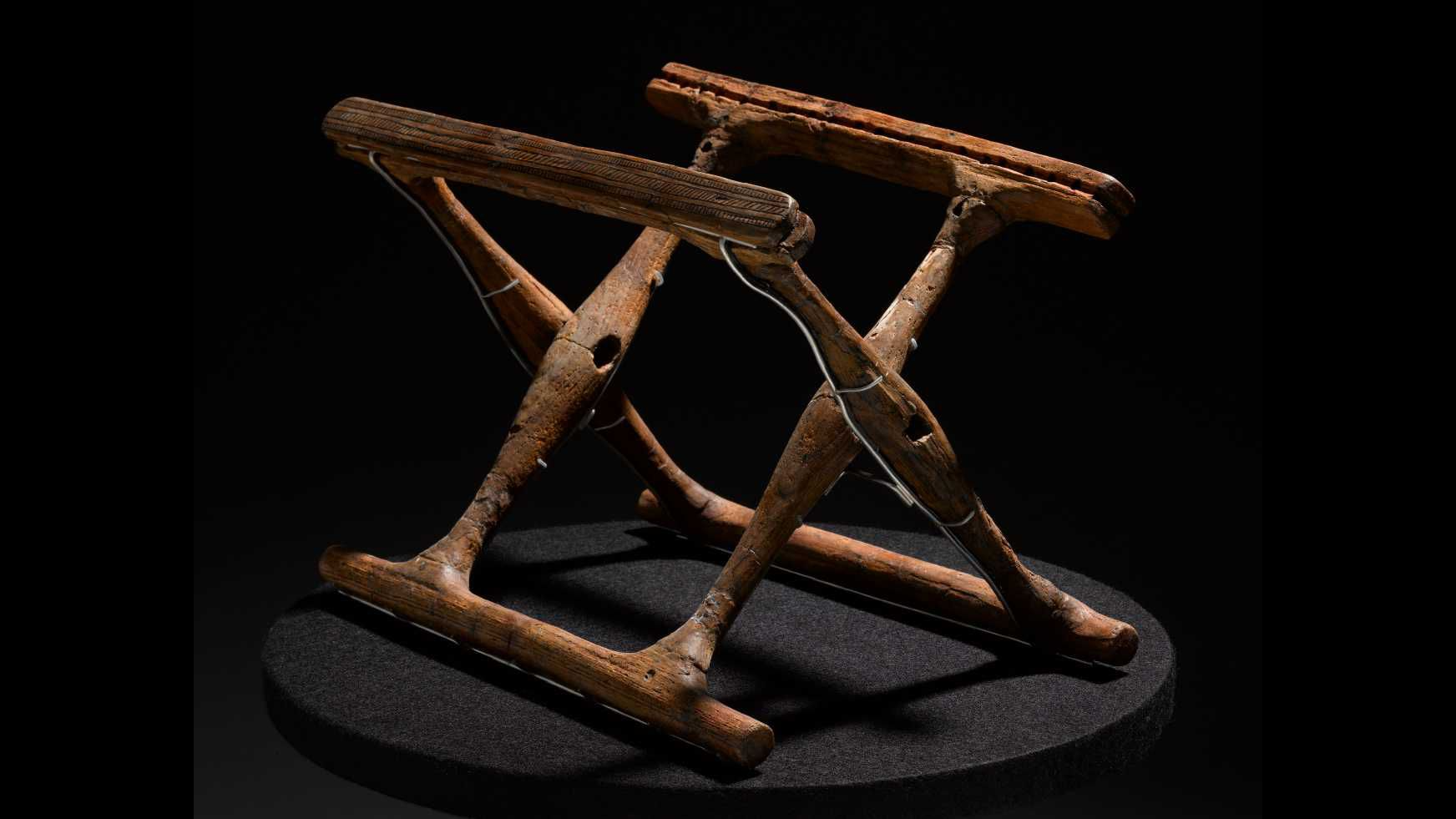
Significance Of The Guldhøj Folding Chair
The Guldhøj folding chair is significant not only because of its remarkable state of preservation but also due to its implications for our understanding of Bronze Age European society. The chair was found in the grave of a chieftain, who was buried with a range of other valuable items, including a bronze ax, a bronze dagger, and two ornate wooden bowls. The presence of the chair in the grave suggests that it was an important symbol of the chieftain's status and power. Folding chairs like the Guldhøj chair were likely used in rituals or ceremonies, and their presence in Bronze Age Europe indicates a level of cultural exchange and connection with other civilizations, such as ancient Egypt and Greece.Connections With Other Civilizations
The design of the Guldhøj folding chair bears a striking resemblance to chairs found in ancient Egypt and Greece. This similarity suggests that there was a significant level of cultural exchange and trade between these civilizations during the Bronze Age. The chair's design is not the only example of this exchange, as other archaeological finds, such as the Sun Chariot from Trundholm, also feature designs and motifs that are similar to those found in the Aegean region. The presence of these similarities highlights the complex and interconnected nature of Bronze Age European society.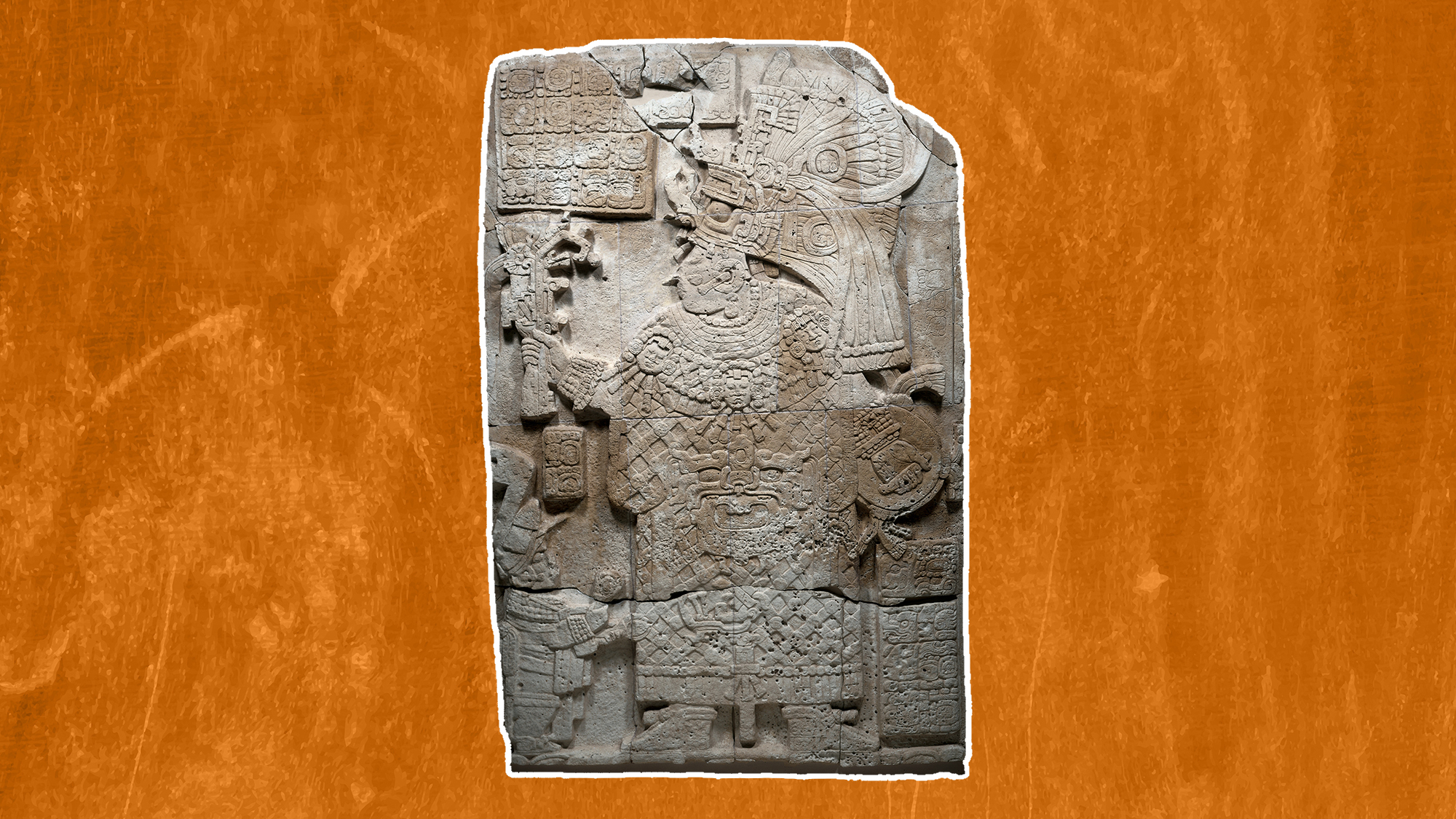
Conclusion And Future Research
The Guldhøj folding chair is an extraordinary archaeological find that provides a unique glimpse into the lives of Bronze Age Europeans. The chair's design, construction, and significance all contribute to a deeper understanding of this period in history. Further research into the chair and its context will continue to shed light on the complex and interconnected nature of Bronze Age European society. The discovery of the Guldhøj folding chair is a reminder of the importance of archaeological research and the significant insights that can be gained from the study of ancient artifacts.Sources
This is an original synthesis by Qivorane based on reporting from the outlets below.