
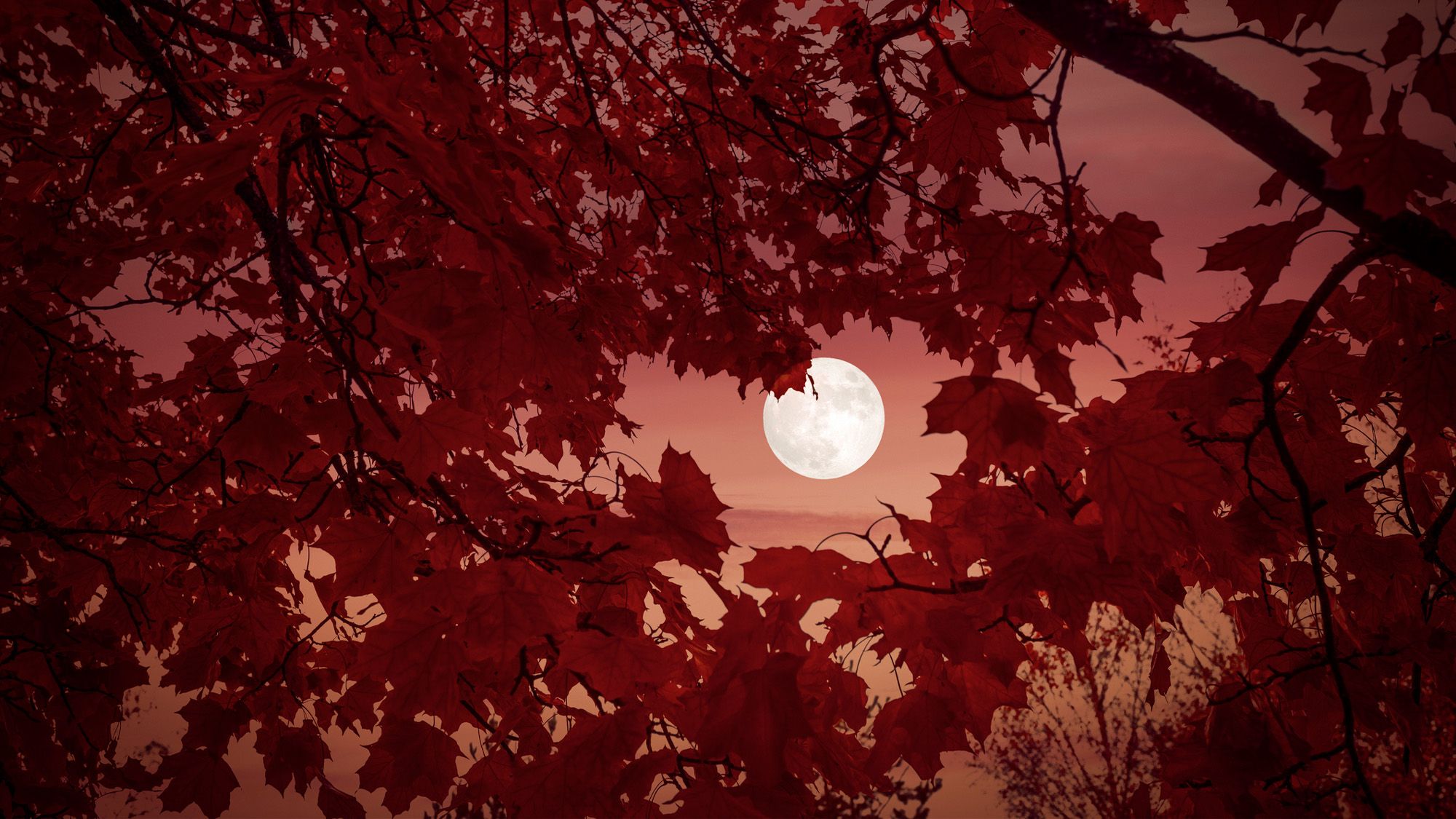
Fall Stargazing 2026
Explore the best skywatching sights in autumn, including planetary oppositions and meteor showers
Introduction To Fall Stargazing
As fall arrives, the nights grow longer, and the skies become more accessible for stargazing. This season brings the return of favorite celestial sights and deep-sky objects that haven't been visible since before spring. The earlier sunsets and cooler temperatures make it an excellent time for casual stargazers to enjoy the night sky without the harsh conditions of winter. Many of the celestial objects visible during this season can be seen with the naked eye, while others require a telescope or binoculars to fully appreciate.
Celestial Events In The Fall Sky
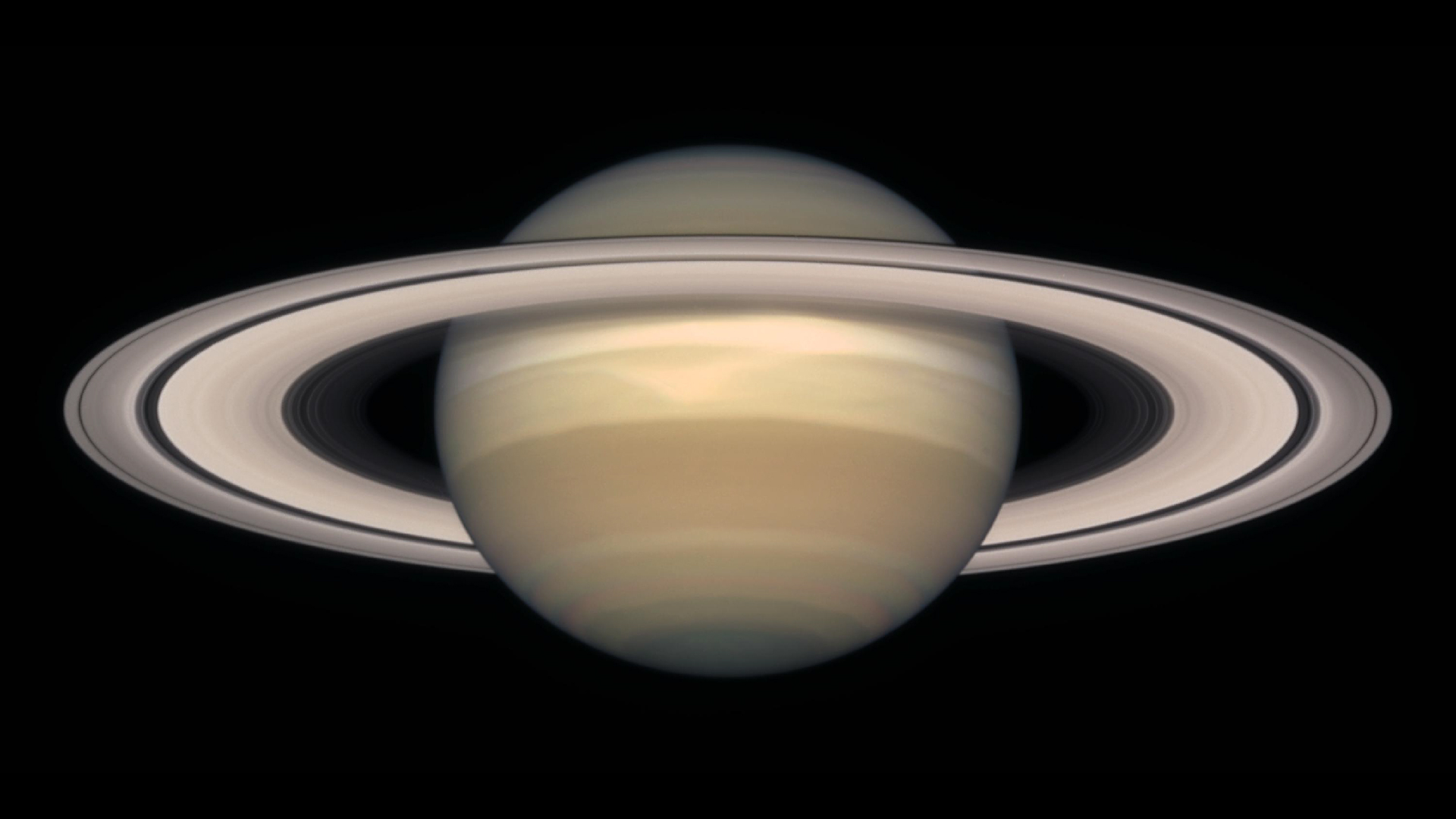
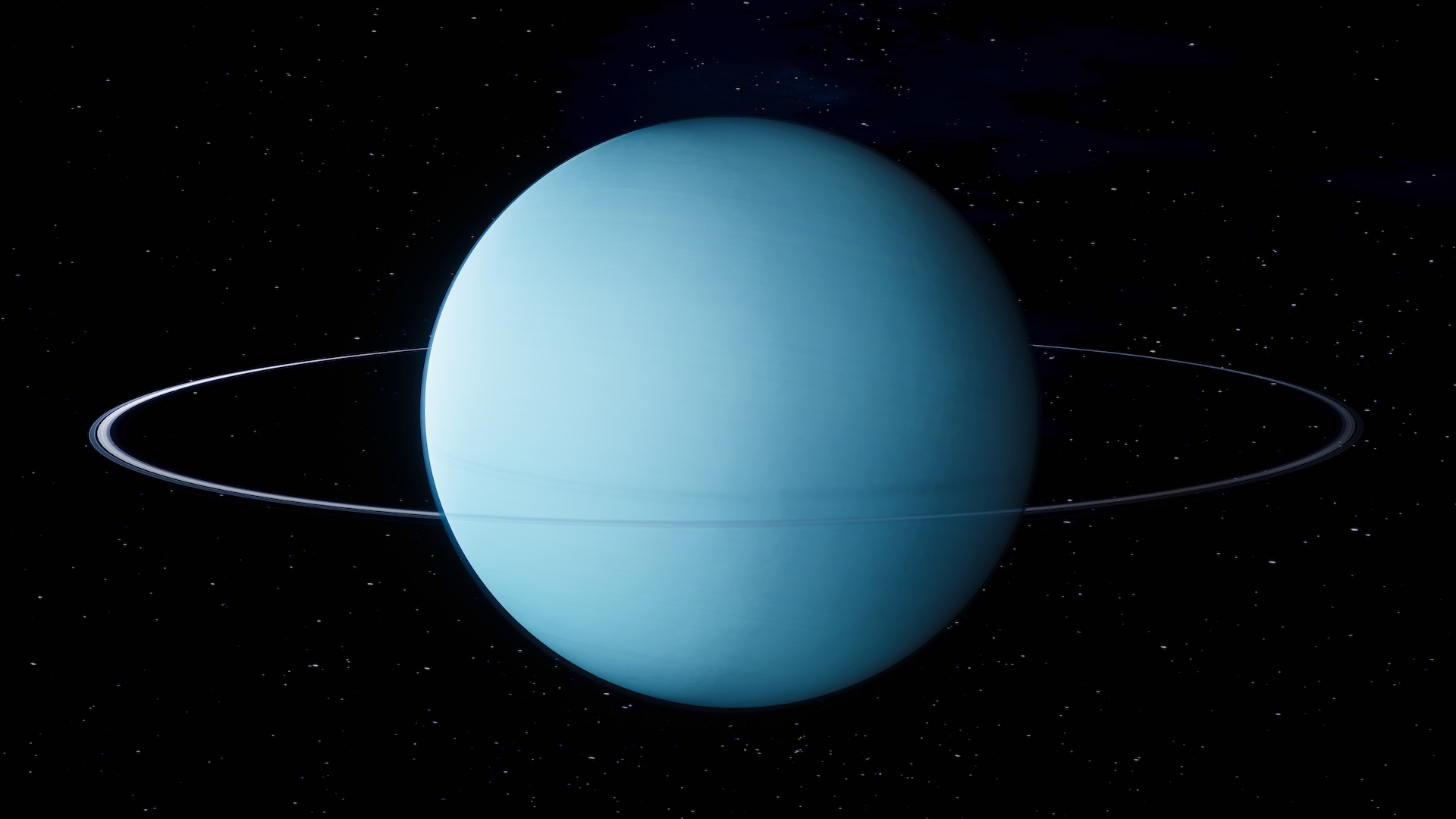
This fall, several planetary events will occur, including the opposition of Neptune, Saturn, and Uranus. Neptune reaches opposition on September 26, but its visibility will be affected by the full moon. A good telescope with at least a 6-inch aperture and a high-powered eyepiece will be necessary to spot the planet. Saturn, on the other hand, will be easily visible to the naked eye when it reaches opposition on October 4. Its rings and largest moons can be seen with a telescope, and the planet will be high in the sky before the moon rises.
Meteor Showers And Supermoons
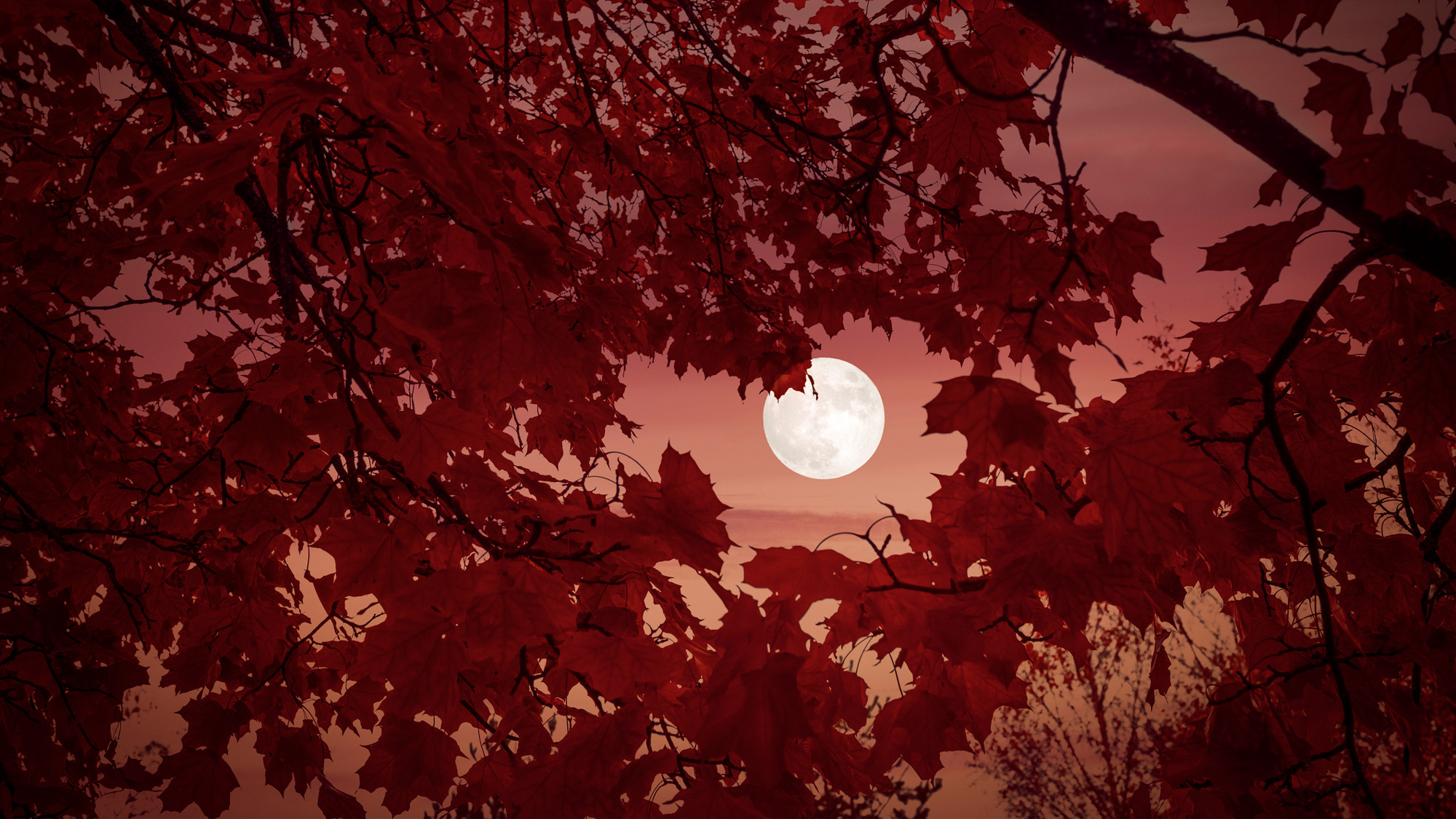
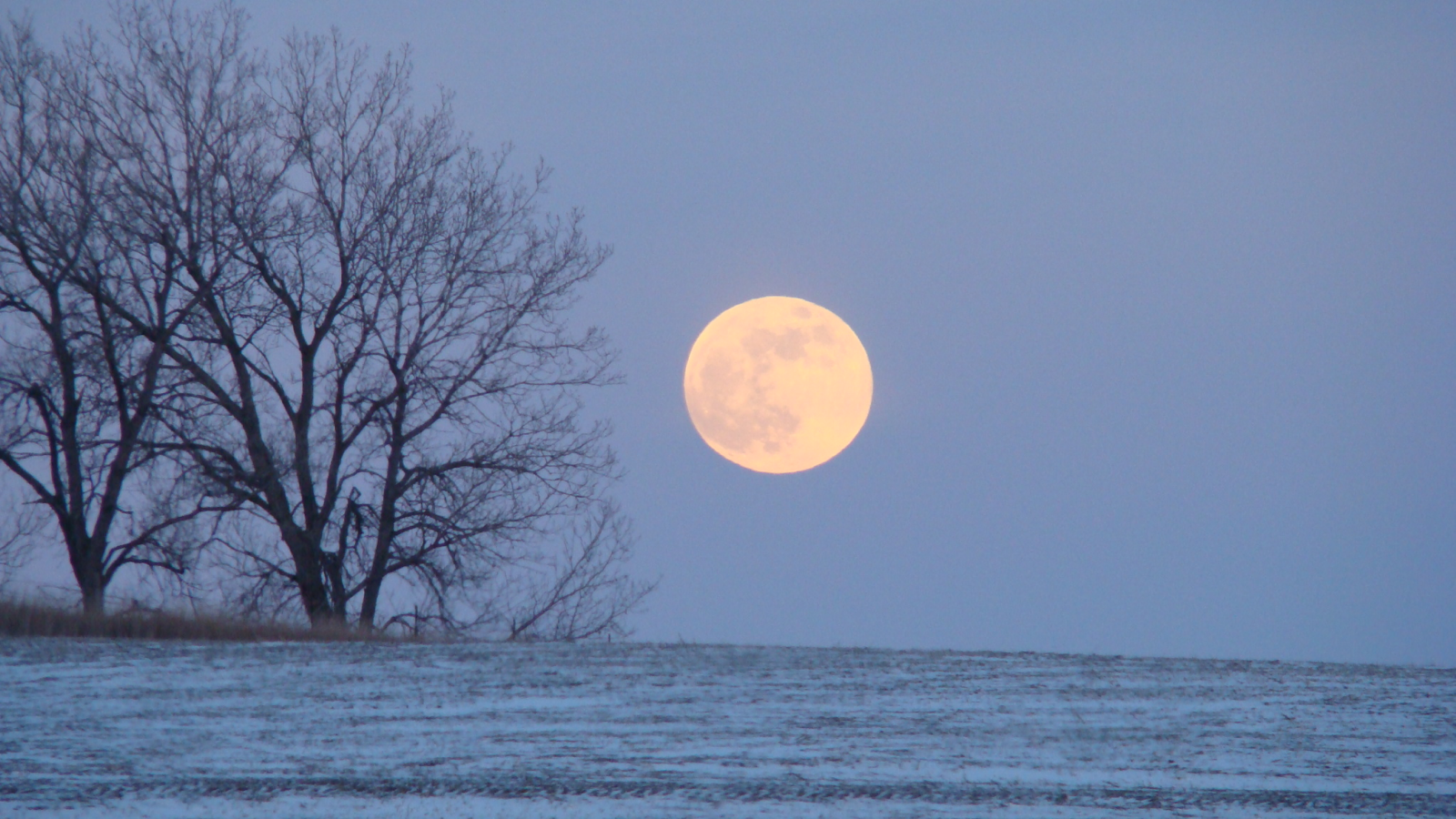
In addition to planetary events, the fall season also brings several meteor showers and a full supermoon. The meteor showers will be visible throughout the season, while the full supermoon, also known as the Beaver Moon, will occur on November 24. This supermoon will be 15% brighter than a normal full moon and can be enjoyed without any special equipment. However, observing it with binoculars or a telescope, or capturing its image with a camera, can make the experience even more enjoyable.
Viewing The Night Sky
To make the most of the fall stargazing season, it's essential to have the right equipment. A good telescope with a sufficient aperture and a high-powered eyepiece can make a significant difference in observing the celestial objects. For example, to view Saturn's rings, a telescope with at least 4 or 5 inches of aperture is recommended. Additionally, a good quality camera can be used to capture images of the night sky, including the supermoon and meteor showers.
Conclusion And Future Outlook
In conclusion, the fall stargazing season offers a wide range of celestial events and sights to enjoy. From planetary oppositions to meteor showers and supermoons, there's something for everyone to appreciate. By having the right equipment and knowledge, casual stargazers and experienced astronomers alike can make the most of this season and enjoy the beauty of the night sky. As the season progresses, more celestial events will occur, including the opposition of Uranus on November 25, making it an exciting time for stargazers.
Sources
This is an original synthesis by Qivorane based on reporting from the outlets below.