
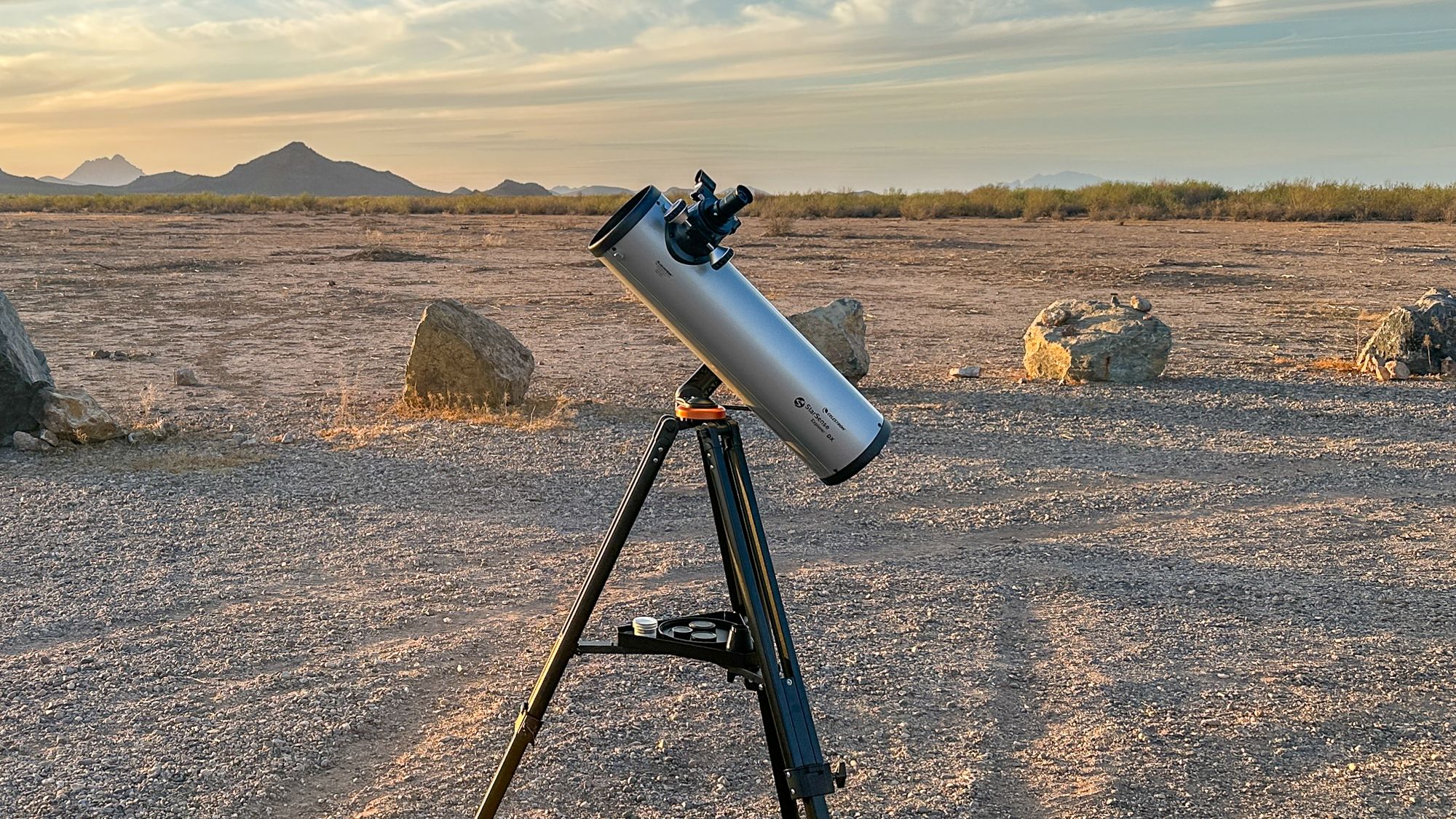
Celestron StarSense Explorer DX 130AZ Review
Review of the Celestron StarSense Explorer DX 130AZ telescope, discussing its design, features, performance, and real-world implications.
Introduction To The Celestron StarSense Explorer DX 130AZ
The Celestron StarSense Explorer DX 130AZ is a telescope designed for those who want a tripod-mounted, smartphone-guided instrument. This 5.1-inch (130mm) f/5 Newtonian reflector is part of the StarSense Explorer series, offering sharp parabolic optics and a wide field of view, making it great for observing large deep-sky objects under dark skies. The StarSense phone dock allows for easy object finding without the need for motors, and the telescope is both lightweight and very portable.Design And Features Of The DX 130AZ
The DX 130AZ features a manual alt-azimuth mount and tripod with a StarSense smartphone dock, eliminating the need for motors. It comes with two 1.25” eyepieces: a 25mm yielding 26x magnification and a 10mm yielding 65x magnification. The optical tube rides on an alt-azimuth tripod and uses a 2-inch focuser. The tripod is reasonably sturdy, although it has a limitation: the tube crashes into the mount or tripod legs when aimed above 70 to 75 degrees. However, this can be overcome by setting the tripod up unlevel, allowing the telescope to reach the zenith without affecting the mount or the StarSense system.
Performance And Capabilities
The Celestron StarSense Explorer DX 130AZ performs well, especially under dark skies, where it can show plenty of deep-sky objects and stunning detail on the moon and planets. The sharp parabolic optics and wide field of view make it ideal for observing large deep-sky objects. However, the small aperture and wide field can make some deep-sky objects hard to track down. The included eyepieces, while working acceptably, are somewhat cheaply made given the price of the telescope. The f/5 focal ratio demands good eyepieces to shine, and the lack of a collimation tool is a notable omission.Real-World Implications And Comparison
For those considering the Celestron StarSense Explorer DX 130AZ, it's essential to weigh its features against other options, such as Dobsonian alternatives and fully motorized GoTo telescopes. The DX 130AZ is a solid buy if a tripod-mounted, smartphone-guided telescope fits your needs. Its portability and ease of use, thanks to the StarSense technology, make it an attractive option for beginners and experienced astronomers alike. However, the decision should be informed by considering the trade-offs, including the small aperture and the quality of the included eyepieces.Future Outlook And Recommendations
The Celestron StarSense Explorer DX 130AZ is a valuable addition to the StarSense Explorer series, offering a unique combination of portability, ease of use, and observational capability. For future improvements, addressing the limitations such as the small aperture and the quality of the eyepieces would enhance the telescope's performance. Additionally, considering the inclusion of a collimation tool would be beneficial for users. As the astronomy community continues to evolve, telescopes like the DX 130AZ will play a significant role in making astronomy more accessible and enjoyable for a wider audience.Sources
This is an original synthesis by Qivorane based on reporting from the outlets below.