
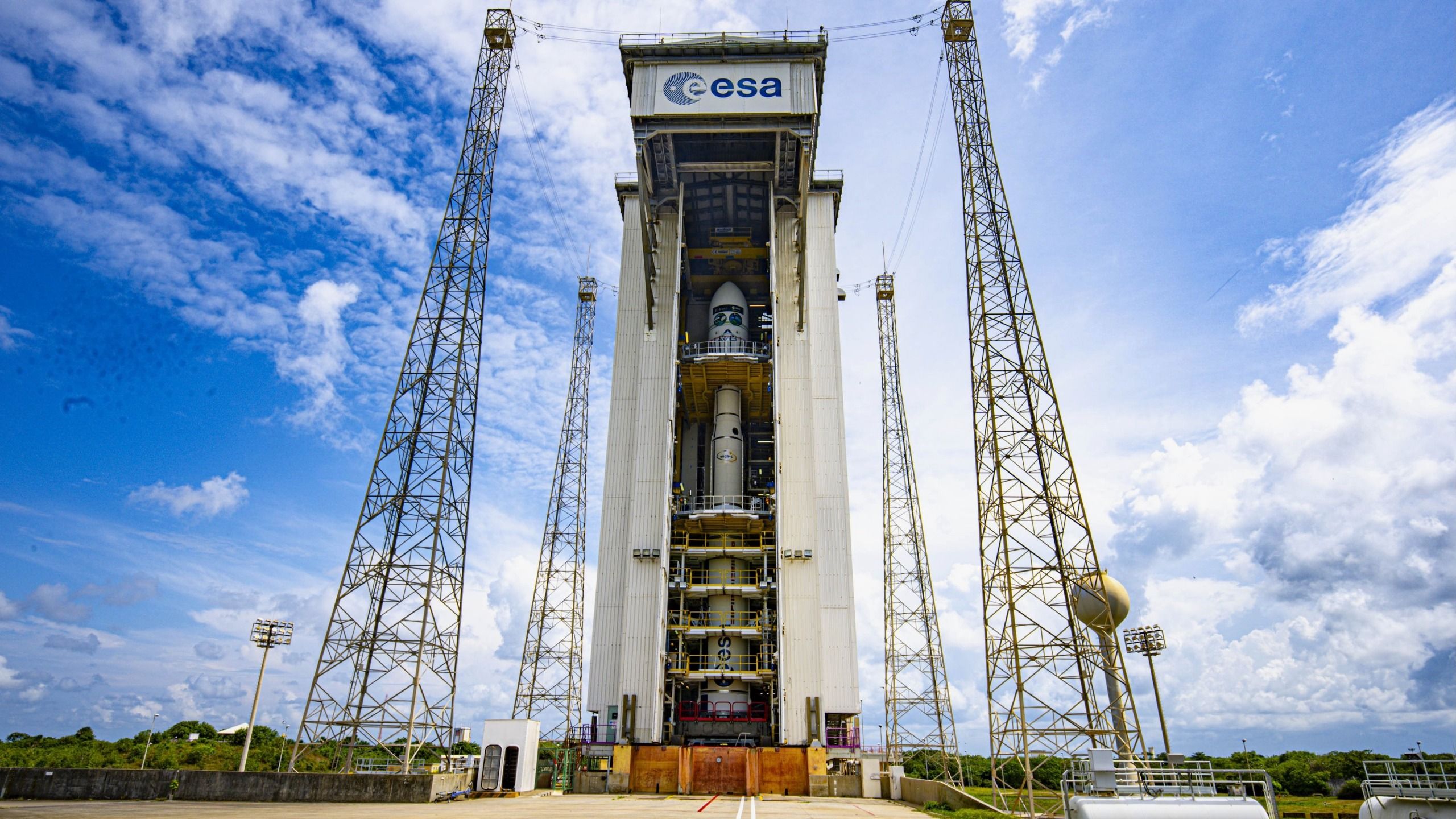
Avio Launches Spacecraft
Avio launches spacecraft to monitor plant health and ocean conditions
Introduction To Earth Observation
The European Space Agency (ESA) and the European Organisation for the Exploitation of Meteorological Satellites (EUMETSAT) are collaborating on a mission to launch two spacecraft, the Copernicus Sentinel-3C and the Fluorescence Explorer (FLEX), on a Vega-C rocket from Europe's Spaceport in French Guiana. This mission aims to monitor plant health and ocean conditions, providing valuable insights into the Earth's ecosystems and climate.Spacecraft And Mission Objectives
The Copernicus Sentinel-3C is equipped with a suite of science instruments designed to monitor ocean color, sea-level rise, and topography, as well as track atmospheric changes and wildfires. The Fluorescence Explorer (FLEX) satellite will detect and monitor vegetation fluorescence, mapping plant photosynthetic activity and providing important data for agricultural management and food security. According to Phil Evans, Director-General of EUMETSAT, "the oceans are absolutely at the heart of this story" and play a crucial role in absorbing excess heat generated by human activities.Launch Vehicle And Deployment
The Vega-C rocket, standing at a height of 34.8 meters, consists of four separate stages, with three solid-propellant motors powering the first three stages and a re-ignitable liquid-fueled upper stage called the Attitude Vernier Upper Module (AVUM+). The AVUM+ uses a Ukrainian RD-843 engine and is capable of performing up to seven unique burns. The two spacecraft will be deployed to an altitude of 820 km with an inclination of 98.6 degrees, taking approximately 116 minutes to deploy both satellites.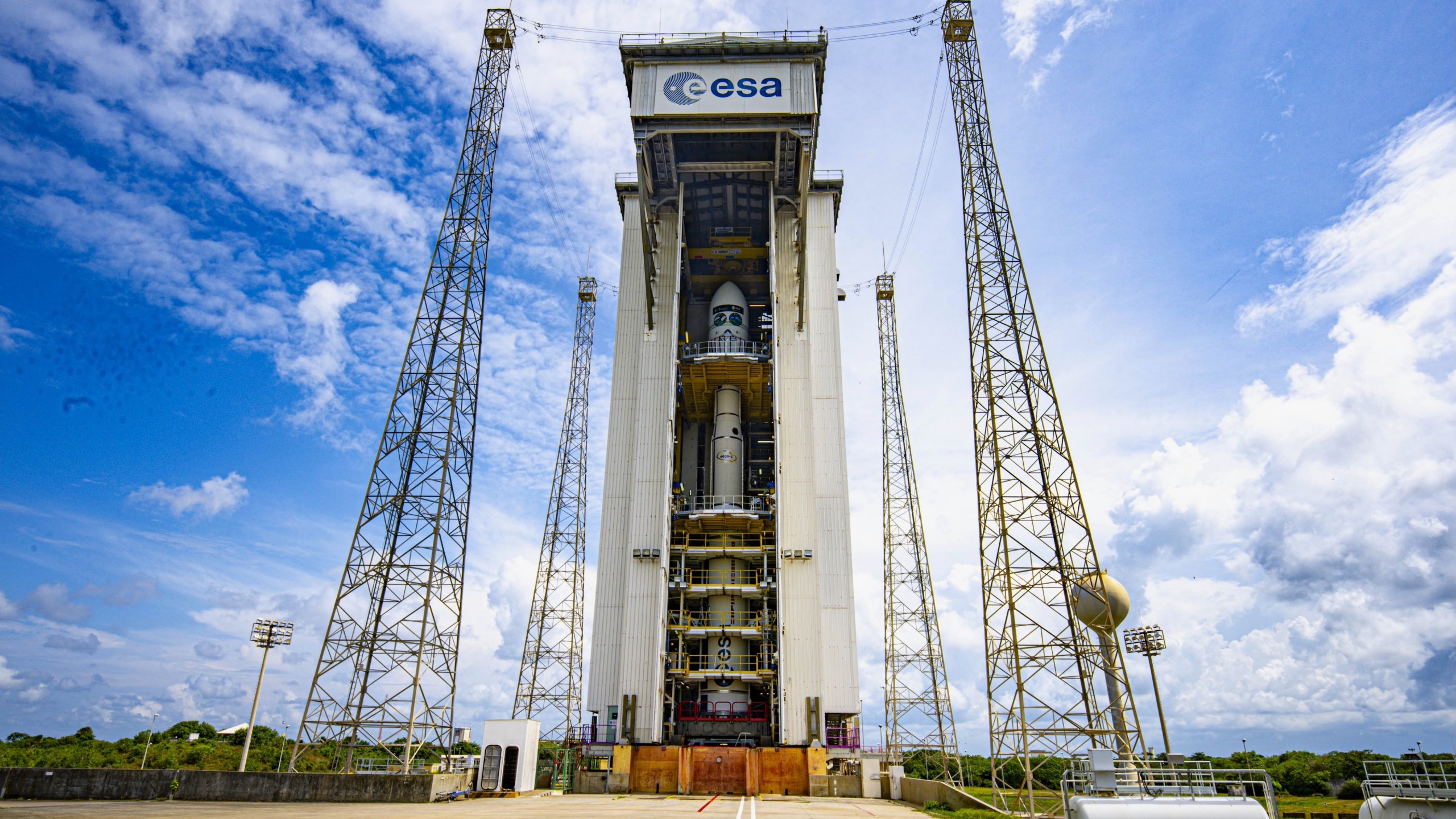
Real-Time Coverage And Significance
Spaceflight Now and Space.com will provide live coverage of the launch, beginning about an hour prior to liftoff. The mission is significant not only for its scientific objectives but also for its operational aspects, as it will be the second Vega-C launch managed solely by the Italian company Avio. The Vega-C rocket has the capability of delivering up to 2,300 kg of mass to a 700-km Sun-Synchronous Orbit (SSO), which is about 50 percent more capacity than its predecessor, Vega.Future Outlook And Implications
The successful deployment of the Copernicus Sentinel-3C and FLEX satellites will provide essential information for ocean and weather forecasting, as well as insights into the global carbon cycle and agricultural management. The data collected by these satellites will be crucial for understanding large-scale global dynamics and mitigating the impacts of climate change. As the world's population continues to grow, the demand for food production will increase, making the data provided by FLEX and Sentinel-3C even more valuable for ensuring food security.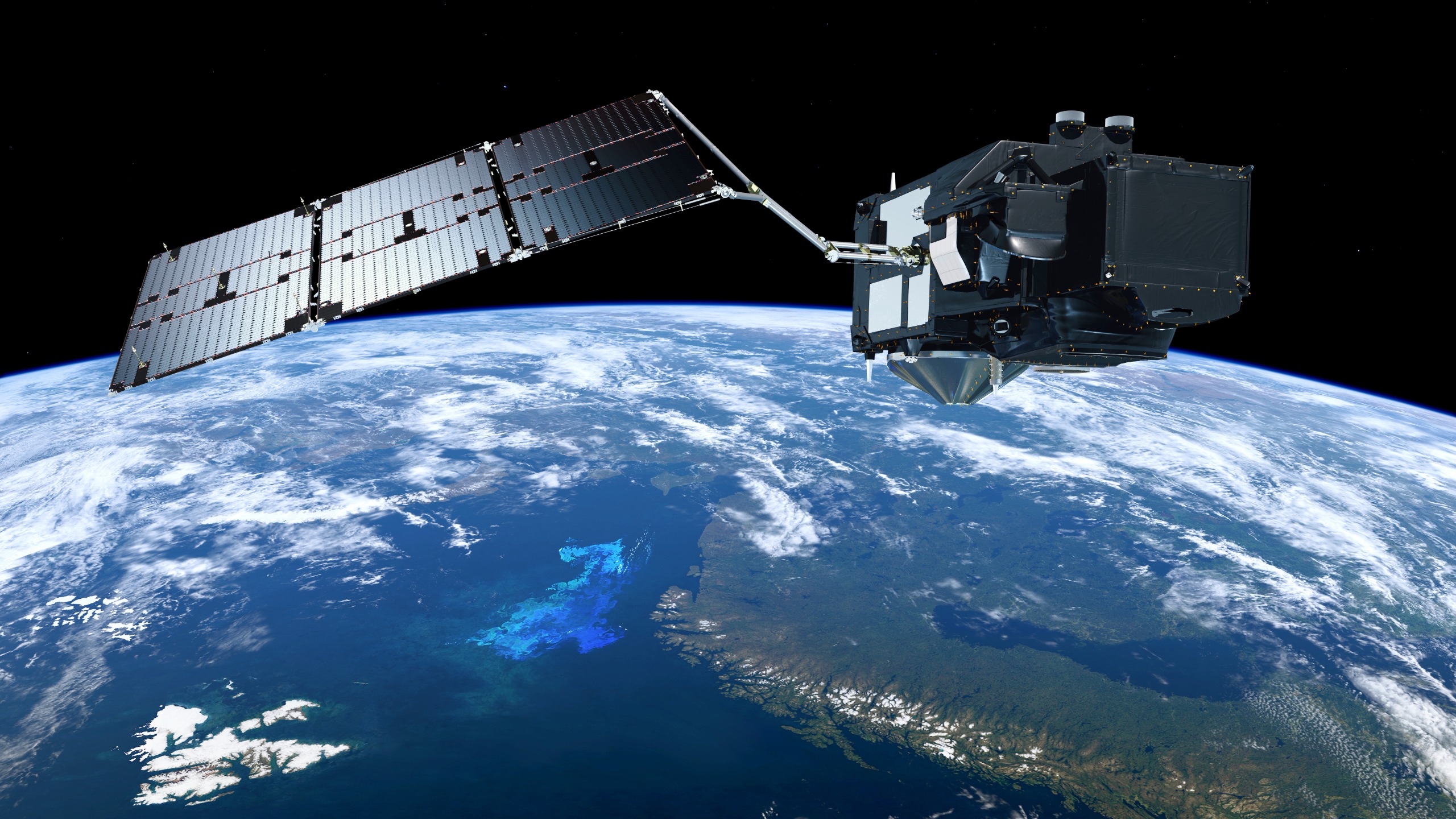
Conclusion And Next Steps
In conclusion, the launch of the Copernicus Sentinel-3C and FLEX satellites on a Vega-C rocket marks an important milestone in Earth observation and climate monitoring. The mission's success will depend on the precise deployment of the spacecraft and the collection of high-quality data. As the world continues to face the challenges of climate change, the data provided by these satellites will be essential for informing policy decisions and mitigating the impacts of global warming.Sources
This is an original synthesis by Qivorane based on reporting from the outlets below.