
Ancient Shark Graveyard Found
Fossilized shark teeth discovered in Egyptian desert, revealing ancient ecosystem
Introduction to the Ancient Shark Graveyard
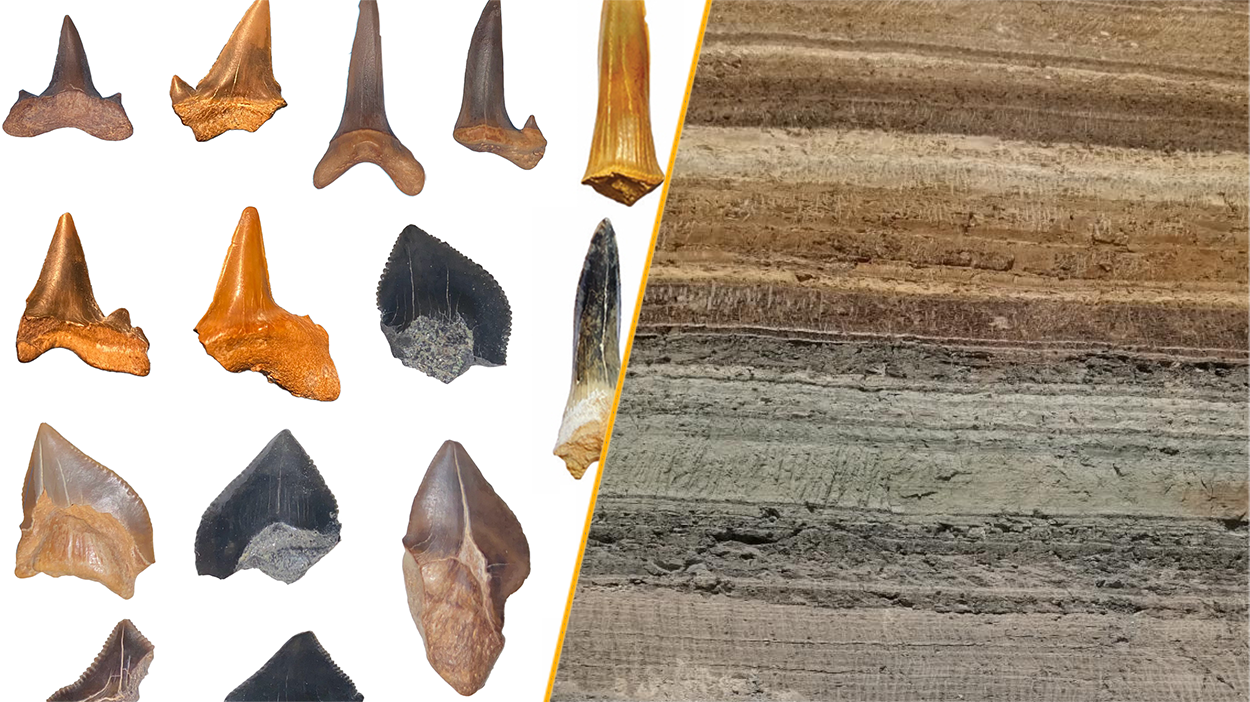
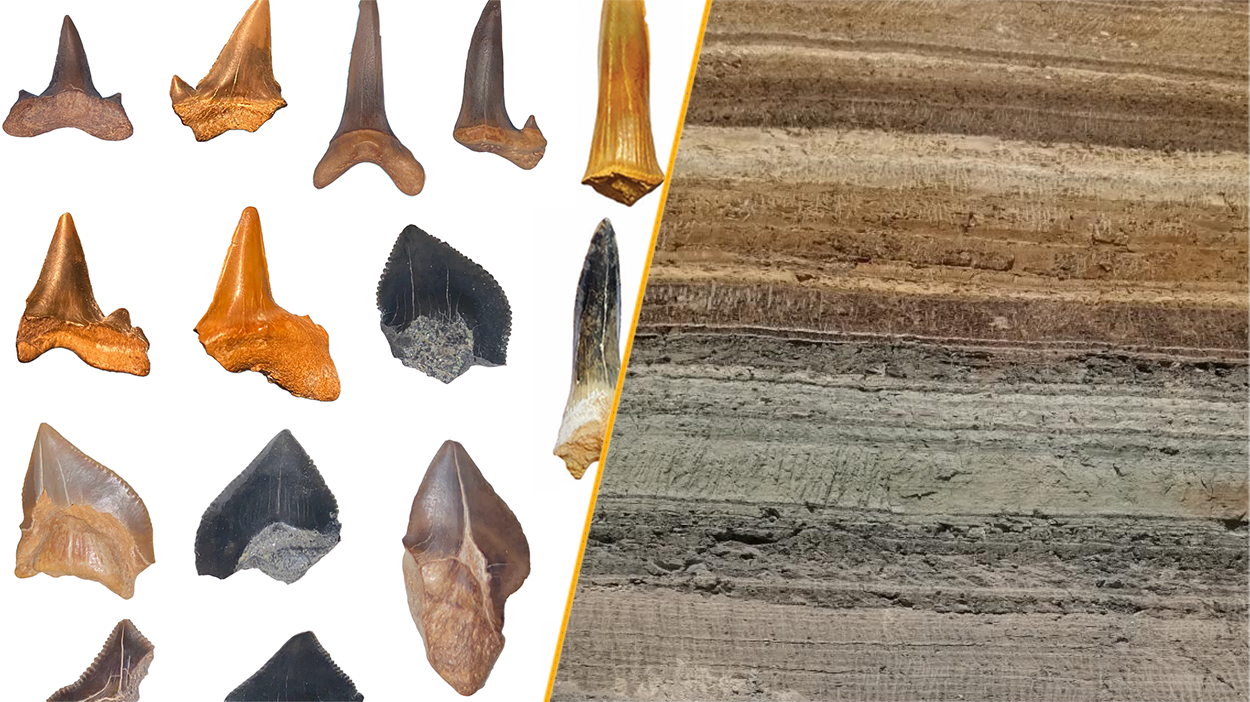
An ancient shark "graveyard" has been uncovered in the Egyptian desert, providing new insights into the region's watery past. The discovery, made by a team of researchers between 2020 and 2022, includes fossilized teeth from seven shark species dating back millions of years. The findings, published in the journal Cretaceous Research, suggest that the area now occupied by the Abu-Tartur Plateau was once a sea with a thriving marine ecosystem.
Geological Context and Discovery
The Abu-Tartur Plateau, located in Egypt's Western Desert, is part of the Duwi Formation, a Late Cretaceous geological rock formation that spans Egypt's Eastern and Western deserts. The rocks in this region are rich in phosphorite, a type of sedimentary rock that often forms from the shells and bones of marine animals. The researchers, led by paleontologist Tarek Yassin, had previously found fossilized teeth from two types of mackerel shark, but further expeditions uncovered 14 more fossilized teeth belonging to at least five additional shark species.
Shark Species and Ecosystem
The discovery includes teeth from seven different shark species, including Scapanorhynchus raphiodon, an ancient relative of present-day goblin sharks, which had never been reported in Africa before. Other species found include Serratolamna serrata and Squalicorax bassanii, which had never been seen in Egypt. The existence of so many shark species in the same area suggests that the region was once home to a nutrient-rich, complex ecosystem, with plenty of smaller fish to feed these apex predators.
Implications and Future Research
The discovery of the ancient shark graveyard provides valuable insights into the region's geological history and the evolution of marine life. The findings suggest that the Tethys Sea, which covered Egypt during the Late Cretaceous, was a thriving ecosystem that supported a diverse range of marine life. The researchers plan to continue their research in the Abu-Tartur Plateau and explore the surrounding area, believing that there is still much more to discover.
Conclusion and Significance
The discovery of the ancient shark graveyard in the Egyptian desert is a significant finding that sheds light on the region's watery past and the evolution of marine life. The discovery of seven different shark species, including some that had never been reported in Africa before, highlights the importance of continued research and exploration in the region. The findings have important implications for our understanding of the geological history of the region and the evolution of marine life, and demonstrate the value of interdisciplinary research in uncovering the secrets of the past.
Sources
This is an original synthesis by Qivorane based on reporting from the outlets below.