
September Skywatching Tips
NASA's guide to September skywatching, featuring Venus, Harvest Moon, and more.
Introduction To September Skywatching
The month of September brings a plethora of exciting skywatching opportunities, courtesy of NASA's expert tips and guidance. This month, sky enthusiasts can look forward to witnessing the brilliant Venus, the Harvest Moon, and several other celestial events that promise to leave astronomy buffs in awe. The evenings of September 14 through 20 offer a unique chance to use the Moon as a guide to locate notable landmarks in the night sky, including the bright, reddish star Antares and the Teapot, a group of stars in the constellation Sagittarius.
Locating Celestial Landmarks
By following the Moon's nightly shift against the background stars, observers can identify Antares, which marks the heart of the constellation Scorpius. Adjacent to Scorpius lies the Teapot, a pattern of stars that resembles a teapot, complete with a handle, lid, and spout. Under exceptionally dark skies, one might even glimpse the hazy steam rising from the Teapot's spout, which, when followed to its thickest part, points towards the center of the Milky Way galaxy. 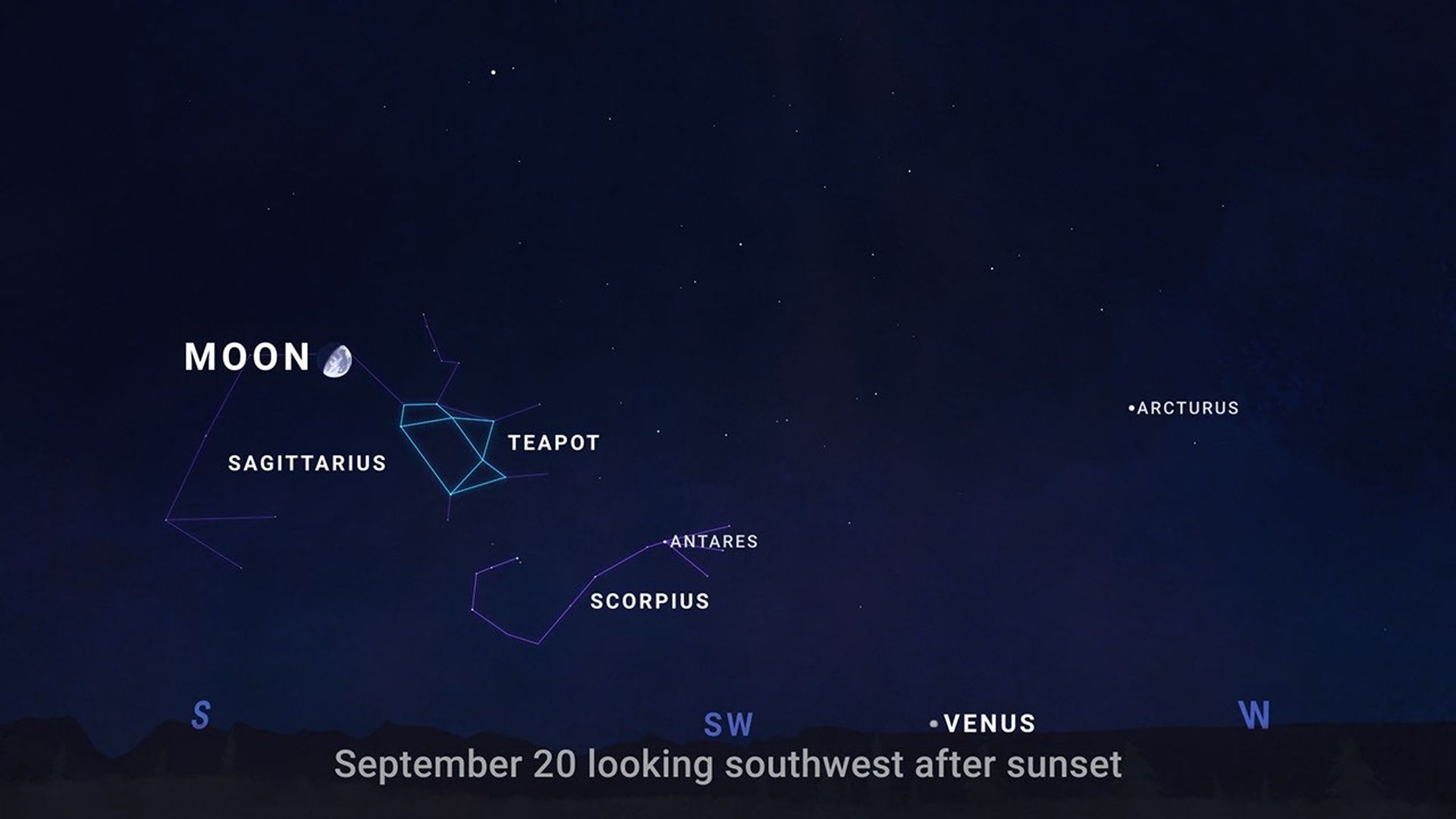
Venus At Peak Brilliance
On September 18, Venus reaches its peak brilliance for this evening appearance, shining brighter than any star around it. Observers can find Venus standing out as a brilliant point of light low above the western horizon shortly after sunset. A clear view of the horizon is essential for catching Venus before it sets. This event is a highlight of the month, offering a spectacular view of our neighboring planet at its most luminous.
The Harvest Moon And Planetary Alignments
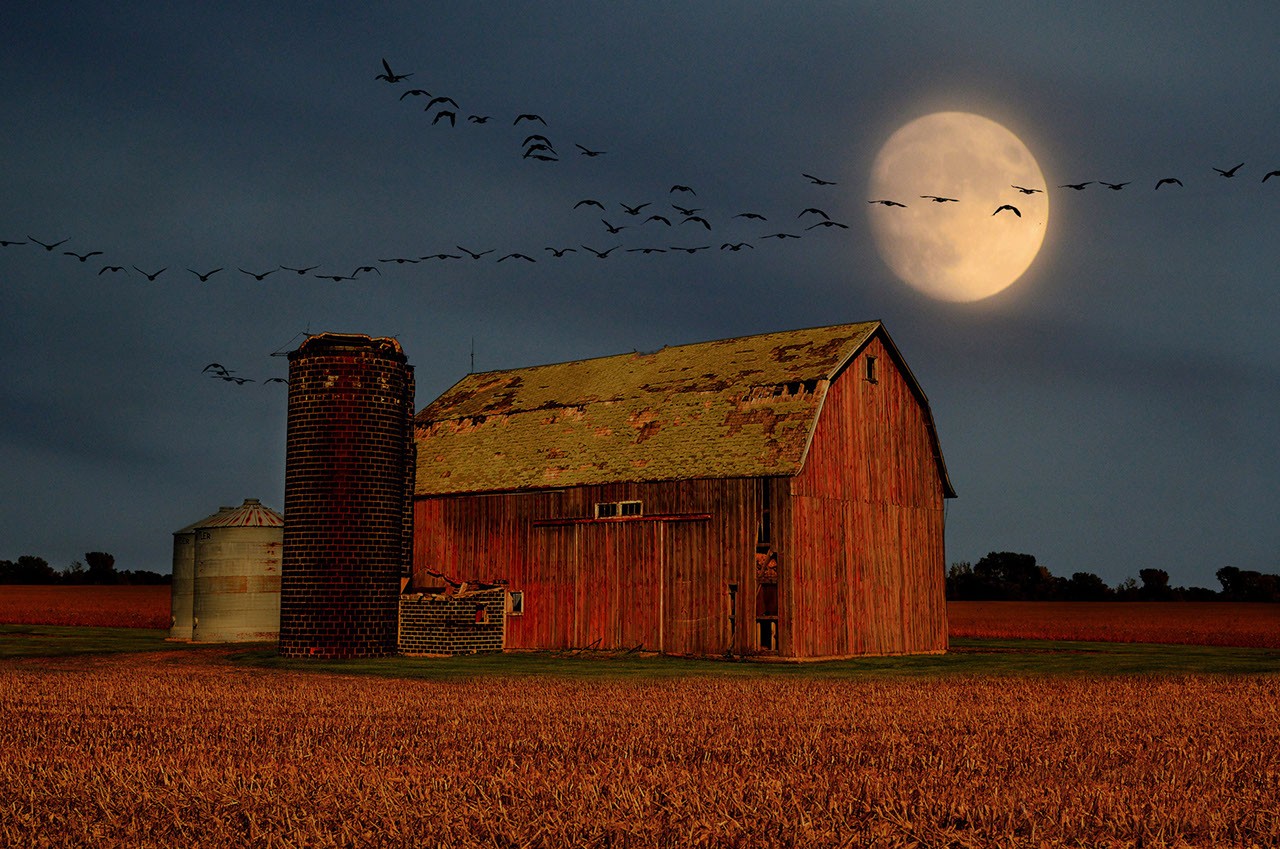
The Harvest Moon, occurring on September 26, is another significant event of the month. This full moon rises in the east shortly after sunset, accompanied by Saturn and, less visibly, Neptune. While Saturn is easily visible to the naked eye, Neptune, being fainter, requires binoculars or a telescope for observation. The alignment of the Harvest Moon with these planets makes for a compelling sight, especially for those interested in the celestial mechanics of our solar system. 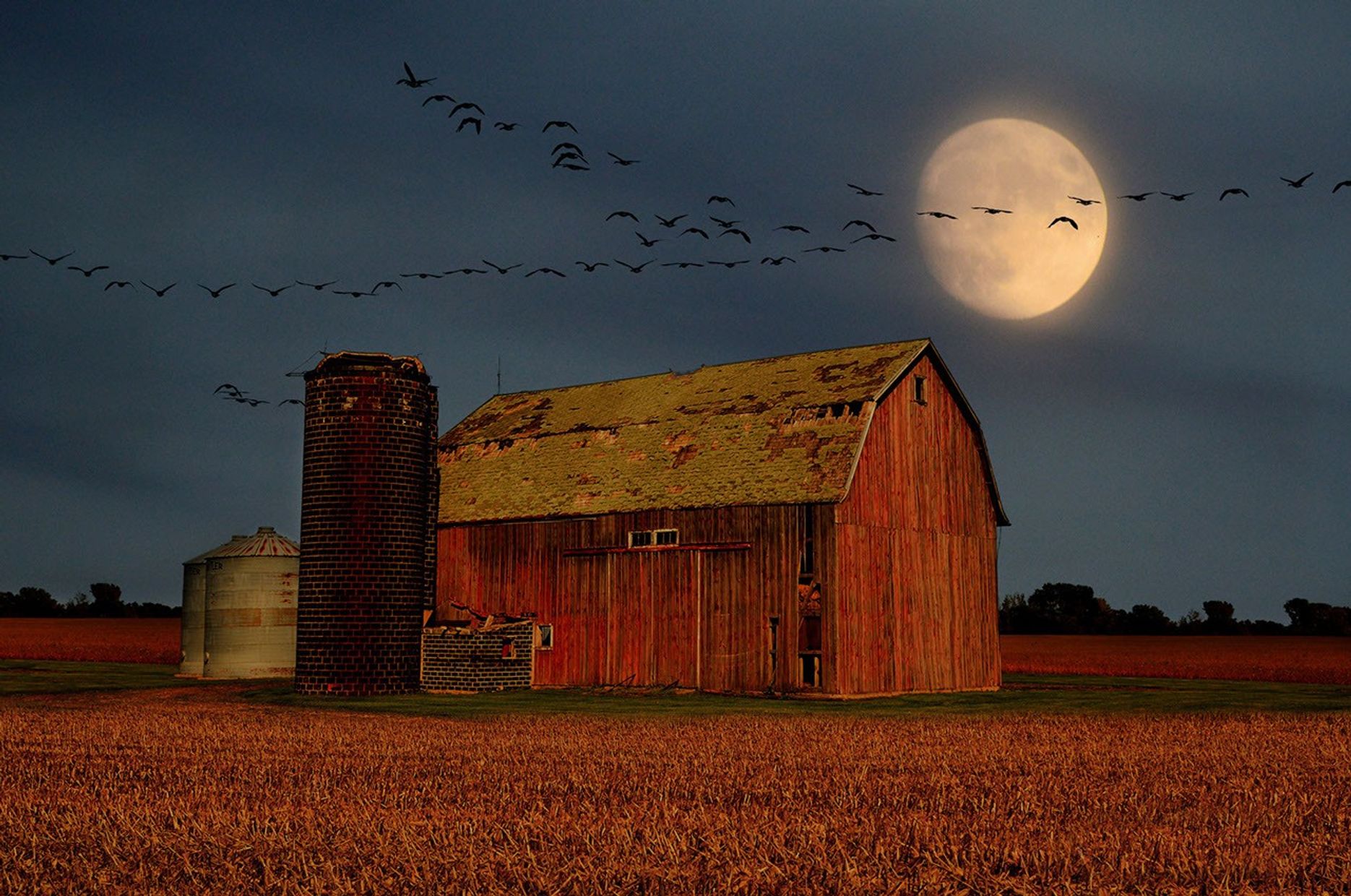
Cultural And Astronomical Significance
Beyond its astronomical significance, the Harvest Moon holds cultural importance, particularly in relation to the September equinox, which marks the beginning of fall in the Northern Hemisphere and spring in the Southern Hemisphere. The full moon's occurrence near the equinox has led to its traditional naming as the Harvest Moon, a term that reflects the timing of agricultural harvests. Additionally, this full moon coincides with celebrations such as the Mid-Autumn Festival in China and the Hindu celebration of Pitru Paksha, highlighting the moon's role in diverse cultural and religious practices.
Conclusion And Future Outlook
September 2026 promises to be an exciting month for skywatchers, with a range of events that cater to both novice and experienced astronomy enthusiasts. From the brilliant display of Venus to the captivating rise of the Harvest Moon alongside Saturn and Neptune, there are numerous opportunities to engage with the night sky. As the seasons change and astronomical autumn begins in the Northern Hemisphere, the appeal of skywatching only grows, inviting everyone to step outside, gaze up at the stars, and appreciate the beauty and complexity of our celestial neighborhood.
Sources
This is an original synthesis by Qivorane based on reporting from the outlets below.