
Roman Space Telescope Launch
NASA's Roman Space Telescope launched on Falcon Heavy rocket to study dark energy and exoplanets
Introduction To The Roman Space Telescope
The Nancy Grace Roman Space Telescope, launched on August 30, 2026, aboard a SpaceX Falcon Heavy rocket, is set to revolutionize our understanding of the universe. With its powerful wide-field infrared camera and advanced coronagraph, the telescope will study dark energy, dark matter, and exoplanets, making groundbreaking discoveries that will shed new light on the mysteries of the cosmos.The Launch And Journey To Lagrange Point 2
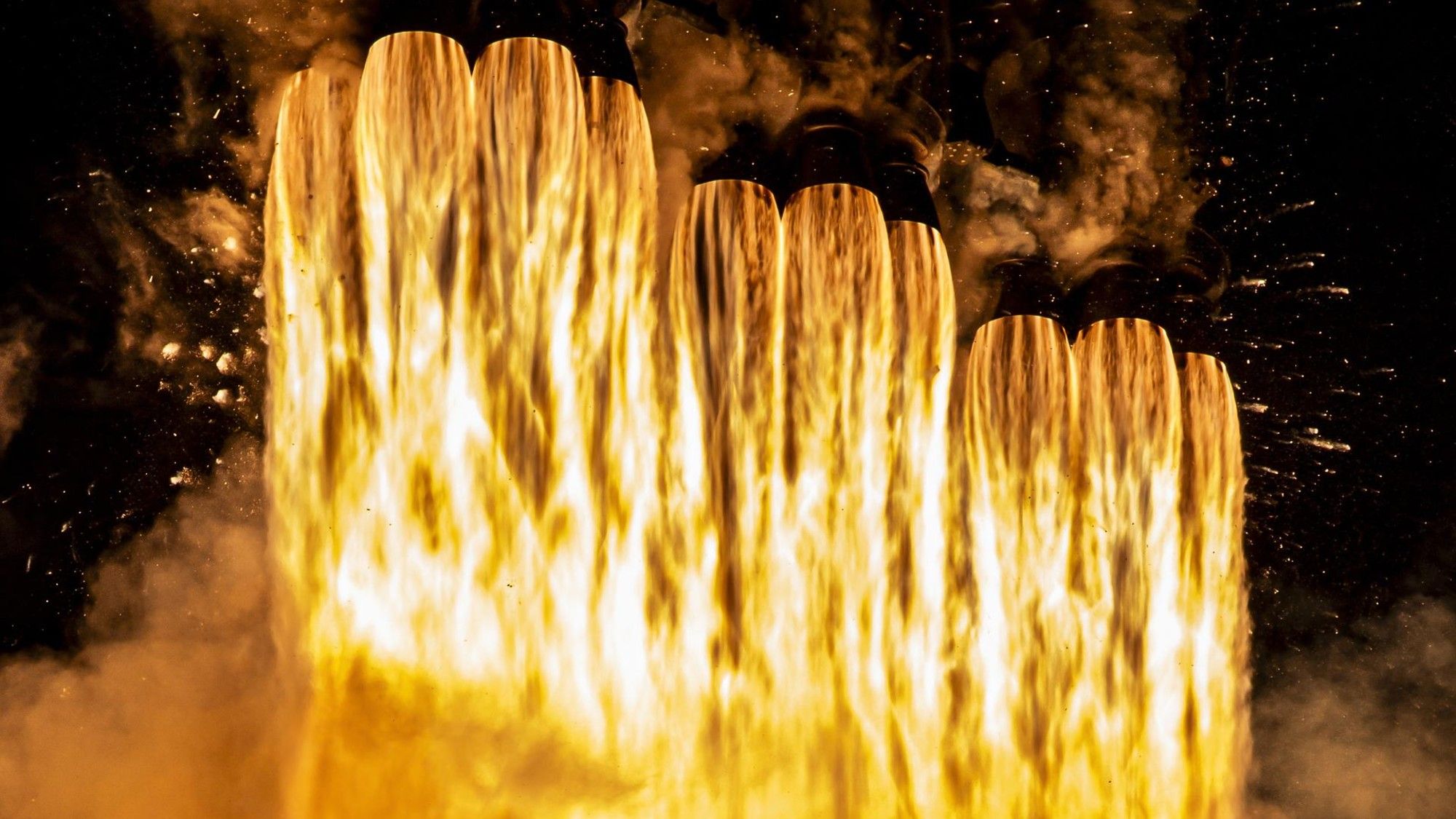
The Falcon Heavy rocket, with its 27 Merlin engines, generated over 5 million pounds of thrust, sending the Roman Space Telescope to a gravitationally stable parking spot known as Lagrange Point 2, located 1 million miles away between Earth and Mars. This location provides a stable environment for the telescope to conduct its science mission, with the gravitational pulls of the sun and Earth equalizing. The launch was flawless, with the rocket performing exactly as planned, and the telescope separating from its rocket about 30 minutes after launch.Science Mission And Expectations
The Roman Space Telescope will spend a few months coming online before it begins conducting its science mission. The telescope's two core science payloads, a wide-field infrared camera and an advanced coronagraph, will be used to study dark energy, dark matter, and exoplanets. The wide-field infrared camera will provide panoramic views of the cosmos, 100 times wider than Hubble's, while the coronagraph will capture unprecedented images of exoplanets. The telescope is expected to make numerous groundbreaking discoveries, including finding billions of galaxies, tens of billions of new stars, tens of thousands of new planets, and thousands of supernovae.First Year Of Science Observations
The telescope's first year of science observations, slated to begin in January 2027, will be action-packed. One of the mission's top priorities will be putting the coronagraph through its paces, presumably by taking snapshots of known exoplanetary systems. Observations with Roman's coronagraph could unveil Jupiter-like planets around nearby stars and will guide the development of NASA's Habitable Worlds Observator. The telescope should beam back its first images before the winter holidays, and its onboard fuel could help extend the observatory's five-year mission to a full decade.Implications And Future Outlook
The Roman Space Telescope will contribute to world-changing science, becoming a household name alongside other great instruments of discovery, such as the Hubble Space Telescope and the James Webb Space Telescope. The telescope's discoveries will have significant implications for our understanding of the universe, and its advanced technology will pave the way for future space missions. With its powerful instruments and stable location, the Roman Space Telescope is set to make a lasting impact on the field of astrophysics and beyond.Conclusion And Next Steps
In conclusion, the Nancy Grace Roman Space Telescope is an exciting new mission that will revolutionize our understanding of the universe. With its powerful instruments and stable location, the telescope is set to make numerous groundbreaking discoveries, including finding dark energy, dark matter, and exoplanets. As the telescope begins its science mission, scientists and astronomers around the world will be eagerly awaiting its first images and discoveries, which will have significant implications for our understanding of the cosmos.Sources
This is an original synthesis by Qivorane based on reporting from the outlets below.