
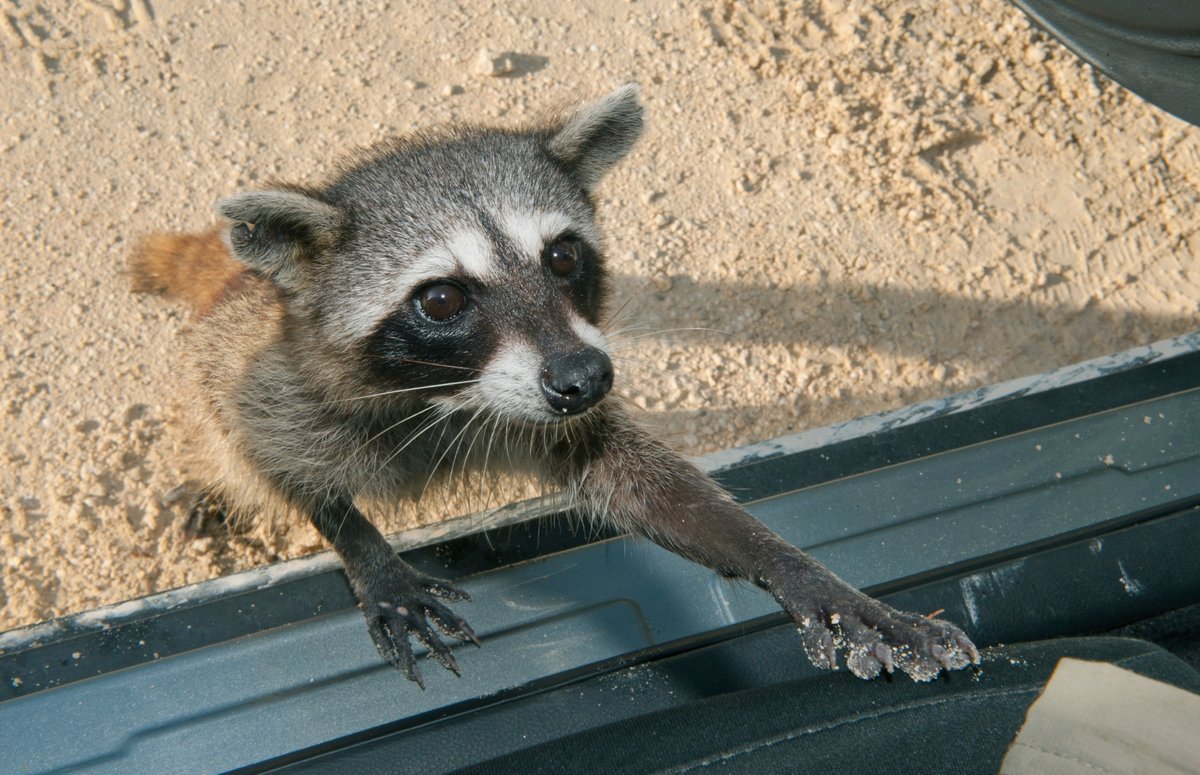
Pygmy Raccoons Turn Trash Into Toys
Pygmy raccoons make toys from trash, showing complex behavior and social learning.
Introduction To Pygmy Raccoon Behavior
An intriguing observation has been made about the behavior of pygmy raccoons, a critically endangered species found only on Mexico's Cozumel Island. A young pygmy raccoon was seen turning trash into toys, specifically making balls out of paper and sand, and then teaching her family how to do the same. This behavior is a first in raccoons and their kin, and it has been documented by Nessie O'Neil, a graduate student in biology at Miami University in Ohio.The Discovery Of Material Culture
The discovery was made when O'Neil was observing families of pygmy raccoons at a popular beach club, where they live alongside tourists. She noticed that one of the young raccoons would pluck a receipt from a trash bin, dunk it in a bowl of water, and then roll it in sand to make a ball. The raccoon would then bat the ball around, seemingly playing with it. This behavior is an example of "material culture," which involves using material surroundings in a way that is passed along to others. This type of behavior has been seen in other animals, such as chimpanzees, pigs, and dolphins, but it is a first for raccoons.Social Learning And Play
The pygmy raccoon's behavior was not only interesting but also contagious. Her family members, including her mother and sister, would watch her make the balls and then try to make their own. Together, they would bat the balls around and play with them, making it a social activity. This type of social learning and play is important for the development and bonding of the raccoons. Even after the pioneering pygmy raccoon died, likely due to malnutrition and toxic exposure to human trash, her sibling was observed making another ball from paper waste, showing that the behavior had been passed on.Conservation Implications
The observation of the pygmy raccoons' behavior has important implications for their conservation. There are fewer than 200 pygmy raccoons on Cozumel Island, and they are critically endangered. Understanding how they learn from each other and interact with their environment can help conservationists develop strategies to protect them. For example, by discouraging unhealthy behaviors like stealing food and drinks from tourists, conservationists can help the raccoons reacquaint themselves with foraging in the wild. Additionally, raising awareness about the pygmy raccoons and their behavior can bring more support for their conservation.Expert Insights
Experts in the field of animal behavior are not surprised by the observation of the pygmy raccoons' behavior. Psychologist Michael Kisley, who was not involved in the study, notes that raccoons are "socially conscious, playful, learning beings." He suggests that as we learn more about the complex psychological processes of animals like raccoons, we will take their conservation more seriously. Michelle Szydlowski, an anthrozoologist at Miami University, was impressed by the footage of the pygmy raccoons making and playing with the balls. She notes that while animals like chimps and tigers have been observed playing, it is rare to see animals custom-making toys for later use.Future Outlook
The observation of the pygmy raccoons' behavior is an important reminder of the complexity and adaptability of animals. As we continue to learn more about the behavior and social interactions of endangered species like the pygmy raccoon, we can develop more effective conservation strategies. By supporting conservation efforts and raising awareness about the importance of protecting endangered species, we can help ensure the survival of the pygmy raccoon and other critically endangered animals.Sources
This is an original synthesis by Qivorane based on reporting from the outlets below.