
Pacific Storms Intensify
El Niño fuels rare trio of Pacific hurricanes, causing extreme weather globally
Introduction To Pacific Storms
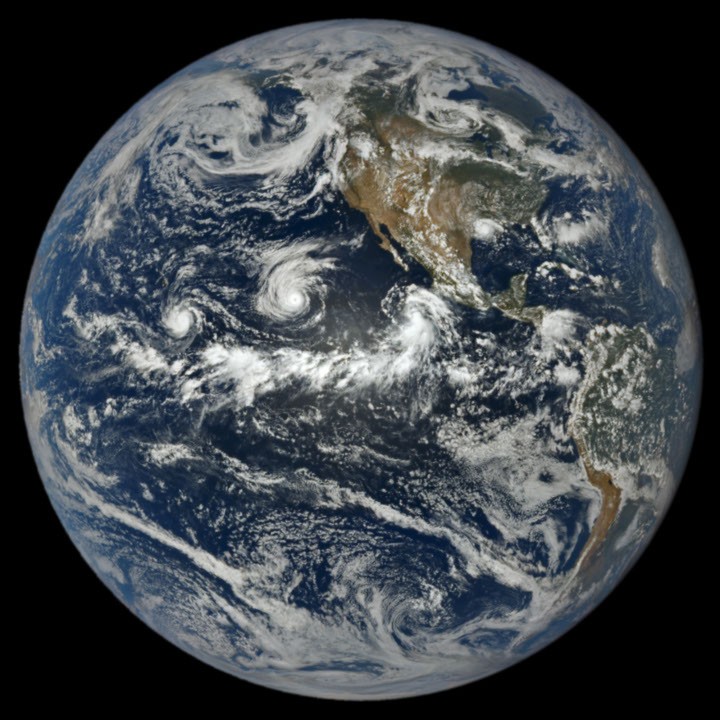
The Pacific Ocean has been experiencing a high level of storm activity, with three tropical cyclones - Hurricanes Lowell, Karina, and Marie - forming simultaneously. This rare occurrence is attributed to the historic El Niño phenomenon, which has warmed the waters of the Pacific, creating favorable conditions for storms to develop and intensify. According to NASA, the El Niño brewing in the Pacific contributed to predictions of below-normal activity in the Atlantic basin but above-normal activity in the northeastern and central Pacific basins.Understanding El Niño And Its Effects
El Niño is a natural cycle in the tropical Pacific known as the El Niño-Southern Oscillation (ENSO), which occurs every two to seven years. It sets in when east-to-west trade winds ease, allowing warm water that normally piles up in the western Pacific Ocean to slide back east and rise. This warming of the ocean waters provides fuel for storms, and the lack of vertical wind shear over the Pacific creates favorable conditions for hurricanes to intensify. As Julia Cole, a climate scientist at the University of Michigan, explained, "El Niño warming sets the stage for these storms, which are fueled in large part by warm waters - when the tropical Pacific is warmer than normal, we see an increase in strong storms."Storm Activity And Impacts
The three tropical cyclones - Hurricanes Lowell, Karina, and Marie - have been making their way across the Pacific, with Lowell becoming the strongest, reaching category 5 strength for several hours on September 2. Karina achieved category 4 strength, a rare case of category 4 and 5 hurricanes occurring simultaneously in the area. Marie, which was still a tropical storm when the image was acquired, was strengthening as it moved northwest. The storms have brought significant impacts, including life-threatening surf and rip current conditions in portions of the Hawaiian Islands. Hawaii is still recovering from the impacts of Hurricane Lala, which brushed past the southern part of the Big Island last month, bringing destructive winds and severe flash floods.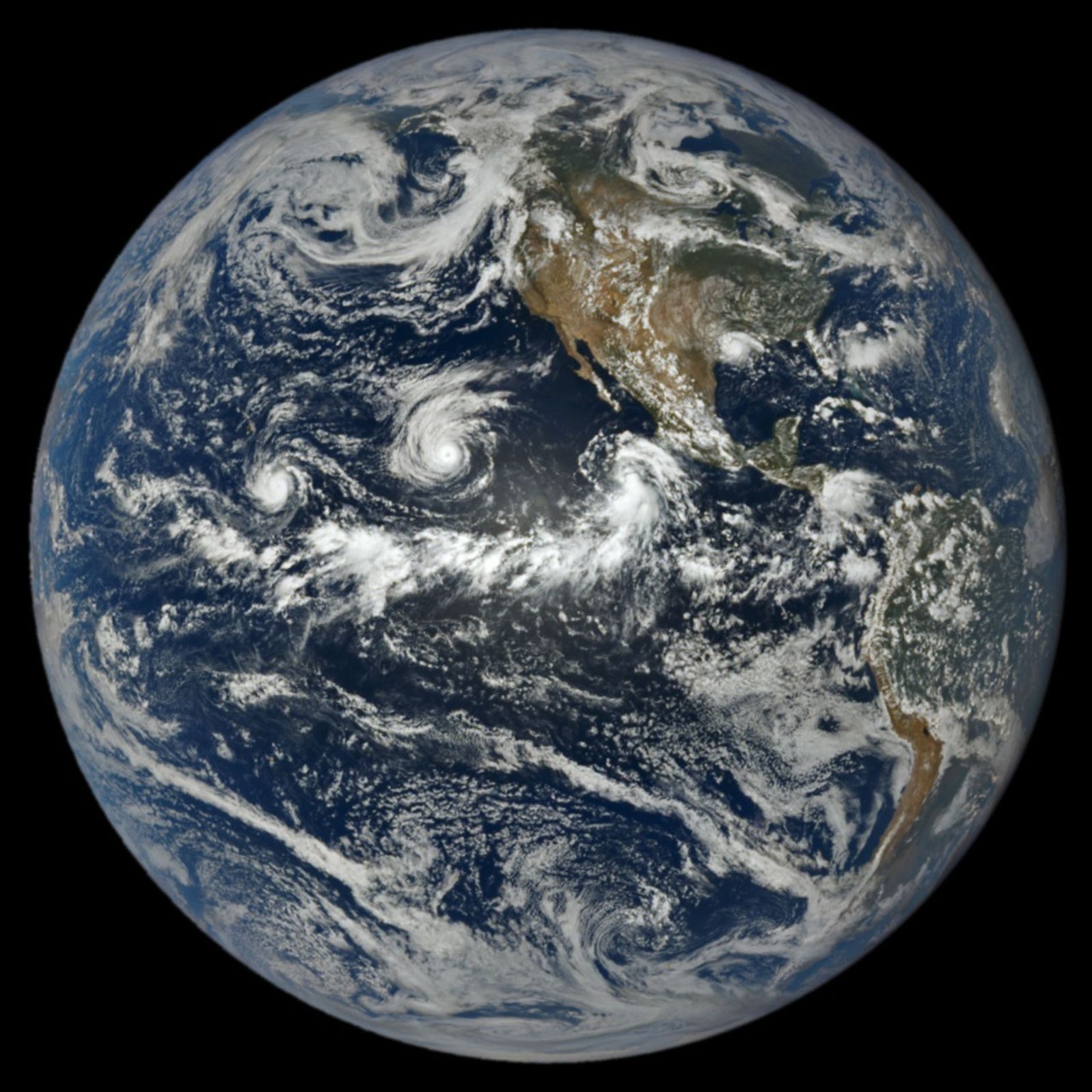
Global Impacts Of El Niño
The current El Niño has a 69% chance of becoming the strongest on record, according to the National Oceanic and Atmospheric Administration, and is already unleashing extreme weather across the globe. Peru, the world's largest catcher of anchovy, is facing a devastating blow from warming seas that have gutted production, according to industry officials. In Sudan, El Niño is blamed for delaying crucial rains that have caused water levels in the Nile to drop precipitously. The impacts of El Niño are being felt worldwide, with significant effects on global weather patterns and ecosystems.Conclusion And Future Outlook
The rare trio of Pacific hurricanes is a significant event, highlighting the impacts of El Niño on global weather patterns. As the El Niño phenomenon continues to strengthen, it is likely that we will see more extreme weather events, including hurricanes, droughts, and floods. It is essential to monitor the situation closely and be prepared for the potential impacts of these events. By understanding the effects of El Niño and the conditions that lead to storm development, we can better prepare for and respond to these events, reducing the risk of damage and loss of life.


Sources
This is an original synthesis by Qivorane based on reporting from the outlets below.