

Nuclear Weapons In Space
Detecting nuclear weapons in space, a 60-year ban, and its implications
Introduction To Space-Based Nuclear Threats
The possibility of nuclear weapons being hidden in space has been a concern for decades, with the Outer Space Treaty of 1967 aiming to prevent the placement of such weapons in orbit around Earth. However, the lack of a reliable detection method has made it difficult to enforce this ban. A recent study by MIT physicist Areg Danagoulian proposes a solution to this problem, using a satellite-based sensor to detect the signature of nuclear material aboard another spacecraft.
Understanding The Outer Space Treaty
The Outer Space Treaty was signed by the United States and the Soviet Union in 1967, with the goal of preventing the nuclear arms race from extending into space. Article IV of the treaty specifically prohibits the placement of nuclear weapons or other weapons of mass destruction in orbit around Earth. However, the treaty's effectiveness has been limited by the lack of a reliable verification mechanism. 
Detecting Nuclear Weapons In Space
The proposed detection system uses high-energy protons trapped by Earth's magnetic field as a probe to search for the signature of nuclear material aboard another spacecraft. The telltale sign of a warhead in space would be a large burst of neutrons produced when these highly energetic protons interact with radioactive elements, like uranium, inside a warhead. A detector roughly the size of an encyclopedia and equipped with specialized sensors could identify neutrons emanating from the direction of a possible warhead from about 2.5 miles (4 kilometers) away after roughly a week of observation.
Consequences Of A Space-Based Nuclear Detonation
The consequences of a nuclear detonation in space are dire, with the potential to jeopardize thousands of commercial, scientific, and military satellites in a single blast. The Starfish Prime nuclear test in 1962 demonstrated the devastating effects of such an event, knocking out radio communications for hours, producing artificial auroras, and damaging or destroying several satellites. 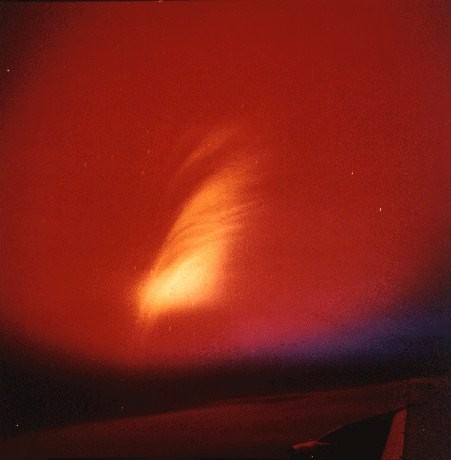
Real-World Implications And Future Outlook
The development of a reliable detection system for nuclear weapons in space is crucial to preventing the catastrophic consequences of a space-based nuclear detonation. While the proposed system shows promise, its effectiveness will depend on various factors, including technical and non-technical considerations. Experts emphasize that the prevention of nuclear detonation in space will require a combination of technological advancements and international cooperation.
Sources
This is an original synthesis by Qivorane based on reporting from the outlets below.