
Maya Lady Supreme Warlord
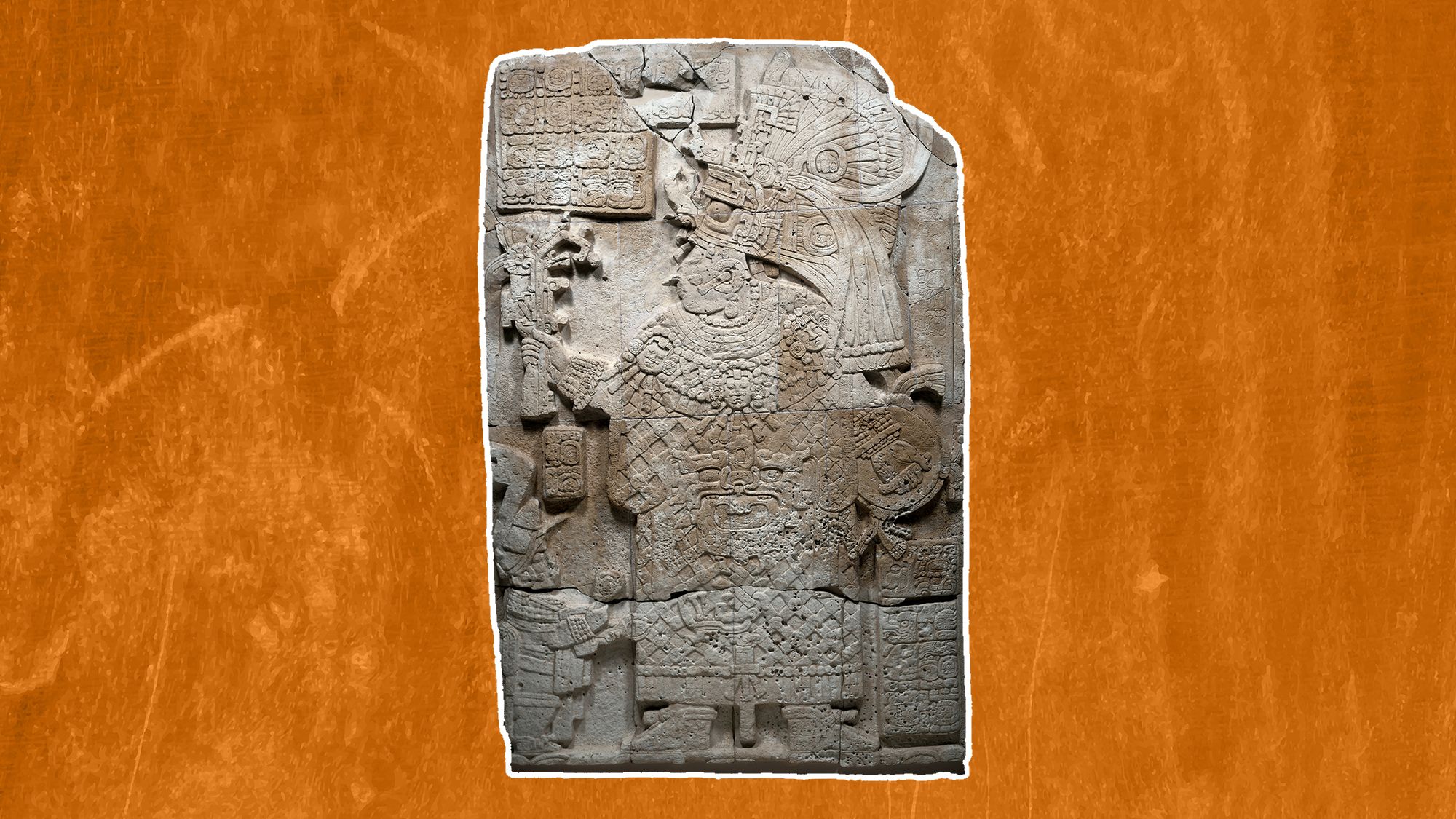
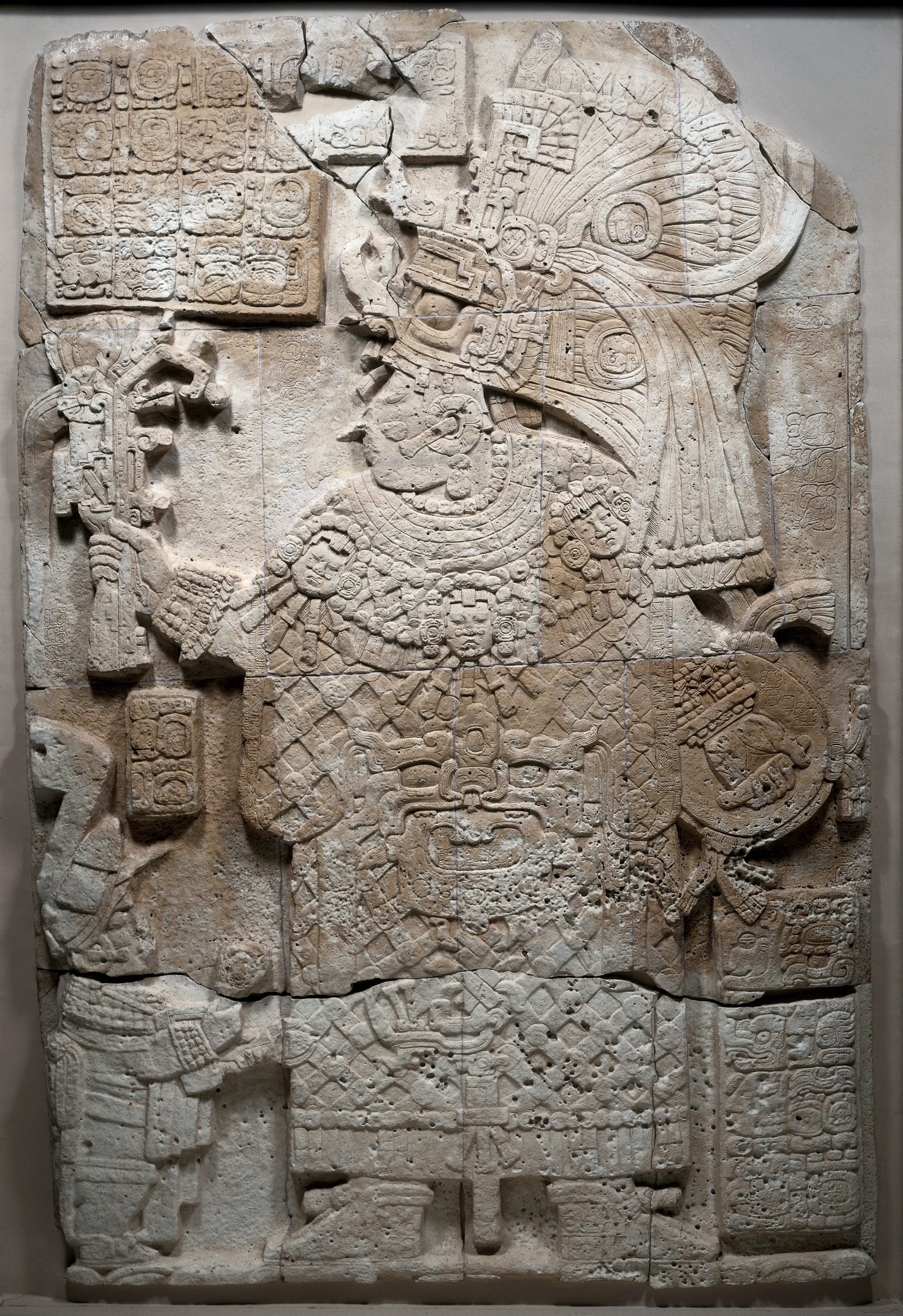
1,300-year-old limestone carving of Lady K'abel, a powerful Maya queen
Introduction To The Lady Supreme Warlord
A 1,300-year-old limestone carving of a powerful Maya queen, known as Lady K'abel, has been a subject of fascination for archaeologists and historians. The carving, which weighs over 2 tons, is a testament to the rich history and culture of the Maya civilization. Lady K'abel, also known as Na Kan Ajaw, was a member of the powerful Kaanul or Snake dynasty and ruled El Perú-Waka' as the military governor.
The Discovery And Significance Of The Stela
The stela, or carved stone slab, was discovered in a provincial Maya town called El Perú-Waka' in the Petén region of northern Guatemala. It was found in 1967 and is now part of the collection at the Cleveland Museum of Art. The stela is roughly 9 feet tall and weighs about 2,500 pounds. It was created to celebrate 20 years of Lady K'abel's rule and depicts her as a powerful and divine figure, wearing a headdress made of green quetzal feathers and carrying a scepter and circular shield.
Uncovering The Life And Legacy Of Lady K'abel
In 2012, archaeologists excavating at El Perú-Waka' discovered Lady K'abel's tomb, which was filled with artifacts made from jade, obsidian, and shells. The tomb also contained a small alabaster carving with hieroglyphs that named Lady K'abel as its owner, providing a direct link between the tomb and the stela. The discovery of the tomb and its contents has provided valuable insights into the life and legacy of Lady K'abel, who is believed to have led an army from the city of Calakmul against the city of Tikal.
Interpreting The Symbolism And Iconography Of The Stela
The stela is rich in symbolism and iconography, with Lady K'abel depicted as a divine figure, wearing the attire of a god. The headdress made of green quetzal feathers is a symbol of her connection to the supernatural, while the scepter and circular shield allude to her role as Lady Supreme Warlord. The net dress and necklace made of jade beads are also significant, as they convey themes of creation and renewal. The portrayal of Lady K'abel as the maize god is particularly interesting, as it suggests that she was seen as a powerful and divine figure, capable of summoning the associated powers of renewal and rebirth.
Conclusion And Future Outlook
The discovery of the stela and the tomb of Lady K'abel has provided a unique glimpse into the life and culture of the Maya civilization. The symbolism and iconography of the stela are a testament to the rich and complex history of the Maya people, and the portrayal of Lady K'abel as a powerful and divine figure is a significant addition to our understanding of the role of women in Maya society. As archaeologists continue to study and interpret the stela and the tomb, we can expect to learn more about the life and legacy of Lady K'abel and the culture of the Maya civilization.
Sources
This is an original synthesis by Qivorane based on reporting from the outlets below.