
Experts Battle Extinctions
Scientists prevent extinctions after record heat, update conservation guidance
Introduction To The Crisis
As the UK experiences its hottest summer on record, scientists are racing to prevent the extinction of rare species. The Royal Entomological Society, in collaboration with other groups, is working to update conservation guidance for grassland sites in Gloucestershire, Somerset, and Wiltshire. This effort is part of a larger initiative to understand how species are adapting to the changing climate and to develop strategies to support their recovery.
Understanding The Impact Of Climate Change
Climate change has accelerated dramatically since some of the current habitat management guidance was written, making it essential to update conservation strategies. The project focuses on six species found in lowland chalk grassland, an internationally rare habitat. These species include the large blue butterfly, the Duke of Burgundy butterfly, the marsh fritillary butterfly, the wart-biter cricket, juniper, and the burnt-tip orchid. 
Devastating Consequences Of Heatwaves
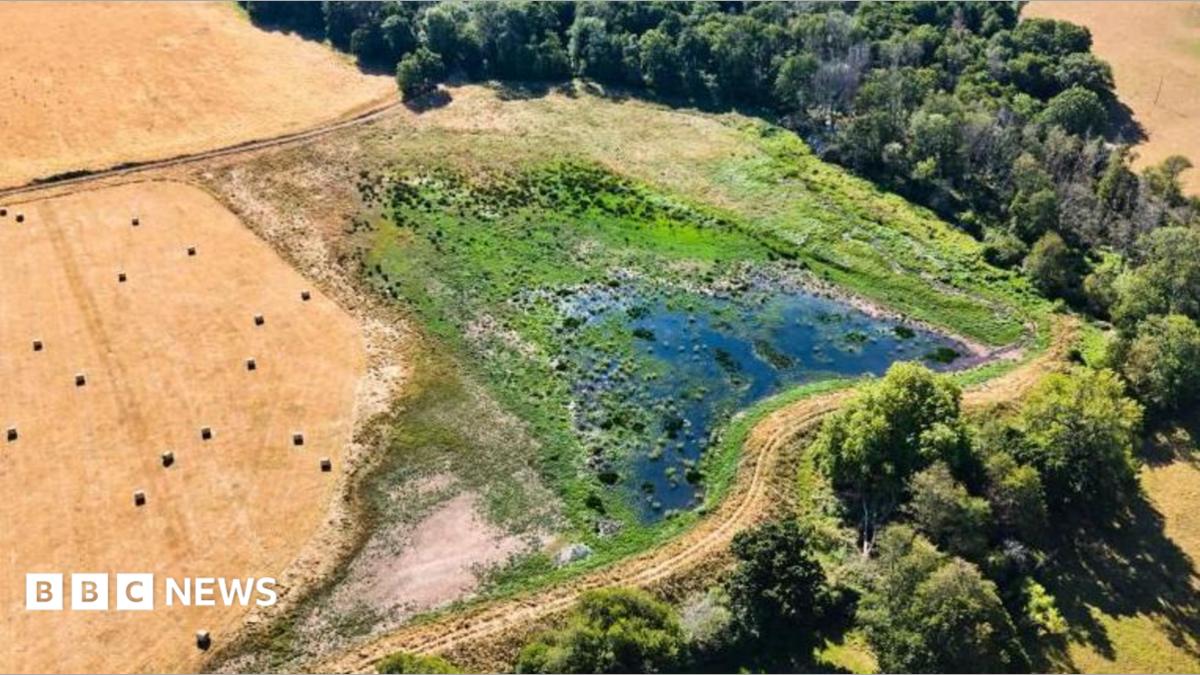
This year has seen record-breaking temperatures, with 35C (95F) reached in three different calendar months. The impact on wildlife has been devastating, with plants desiccated, grasslands destroyed, and soil erosion widespread. Trees are also stressed, losing leaves and fruit. However, there are success stories, such as the introduction of beavers to create wetlands at the Holnicote Estate in Somerset, which has helped the area remain green and lush despite the drought.
Nature-Based Solutions To Mitigate Climate Change
The National Trust's scheme at the Holnicote Estate demonstrates the value of "nature-based solutions" in delivering benefits for landscapes and people. By reversing the traditional approach of draining wetlands and straightening rivers, the project has shown remarkable results. The introduction of beavers has helped to store water, reduce flooding, and boost wildlife. This approach can be replicated in other areas to help mitigate the effects of climate change.
Future Outlook And Conservation Efforts
The project to update conservation guidance is one of 130 projects being funded through Natural England's £60m Species Recovery Programme. The programme aims to restore England's natural habitats and support the recovery of endangered species. By combining decades of long-term research with new science, the project will provide practical guidance to support the recovery of the six key endangered species. The success of this project and others like it will be crucial in preventing extinctions and promoting biodiversity in the face of climate change.
Sources
This is an original synthesis by Qivorane based on reporting from the outlets below.
- [1] BBC Science & Environment: Experts battling extinctions after record heat