
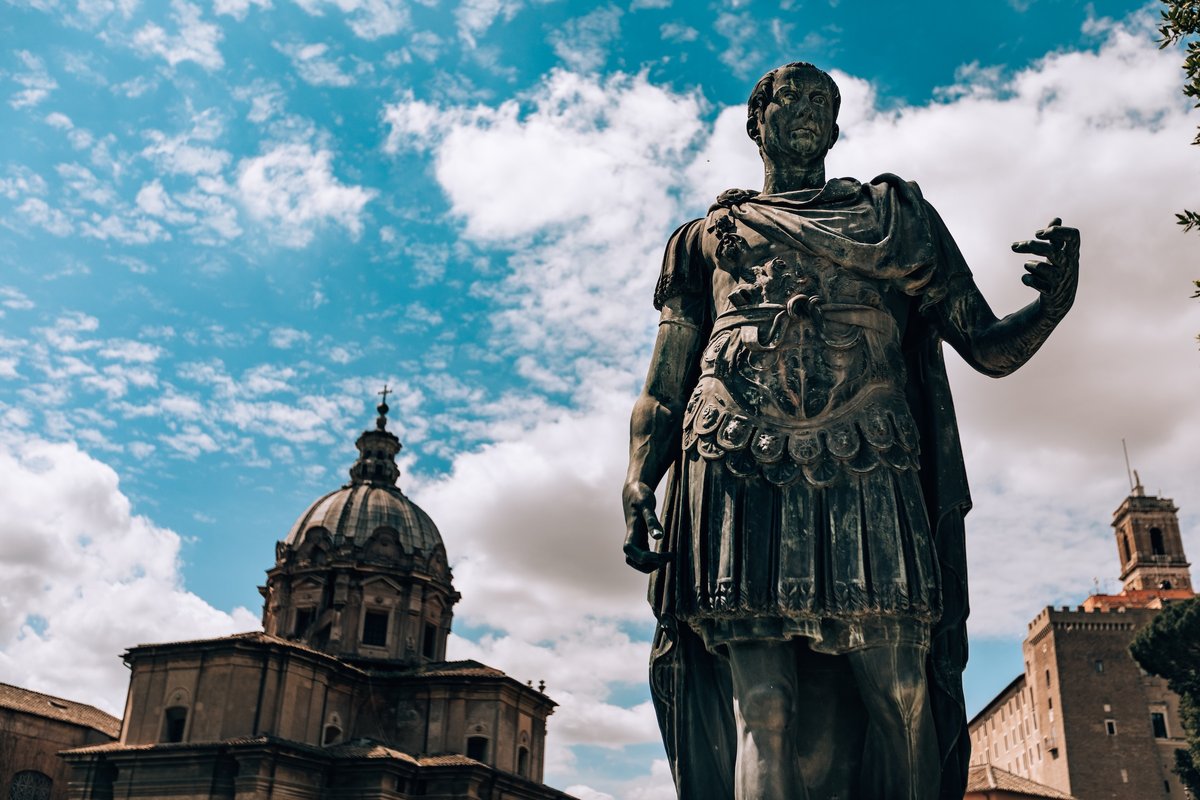
Archaeology of Autocratic Rulers
Archaeology reveals that autocracy wasn't inevitable in early civilizations
Introduction to Autocratic Rulers
The rise of all-powerful rulers, or autocrats, has long been a topic of interest among archaeologists, historians, and political scientists. The traditional narrative suggests that the emergence of autocratic governments was inevitable as populations grew and societies became more complex. However, recent research by archaeologist Gary Feinman challenges this notion, suggesting that autocracy is not the only possible outcome of societal growth and development. Feinman's work, which spans multiple archaeological sites in Mexico and China, reveals that various societies around the globe have organized themselves in different ways, with some adopting more inclusive forms of governance.
Challenging the Traditional Narrative
Feinman's research began in Mesoamerica, where he excavated houses and found evidence of a more decentralized economy. In contrast to the traditional assumption that Mesoamerican civilizations were characterized by top-down, coercive governance, Feinman discovered that many households were involved in producing goods for exchange. This suggests that it would have been difficult, if not impossible, for a central authority to control the economy. Additionally, the lack of storehouses for accumulating and hoarding resources further challenges the idea that the state controlled the economy. These findings have significant implications for our understanding of the rise of autocratic rulers and the development of complex societies.
Factors that Foster Autocracy or Inclusive Governance
Feinman's work highlights the importance of considering the specific historical and cultural contexts in which societies developed. Rather than assuming that autocracy is an inevitable outcome of societal growth, Feinman's research suggests that various factors, such as the availability of resources and the organization of the economy, can influence the emergence of autocratic or more inclusive forms of governance. For example, in societies where resources are scarce or unevenly distributed, the concentration of power and wealth may be more likely to occur. In contrast, societies with more abundant or evenly distributed resources may be more likely to adopt more inclusive forms of governance.
Archaeological Evidence from Around the World
Feinman's research is not limited to Mesoamerica; he has also worked at archaeological sites in China and has studied the development of complex societies in other regions, such as Teotihuacan in Mexico and Mohenjo-daro in Pakistan. These sites provide valuable insights into the diversity of human societies and the various ways in which they have organized themselves throughout history. By examining the archaeological evidence from these sites, Feinman and his colleagues have been able to identify patterns and trends that challenge the traditional narrative of the rise of autocratic rulers. For instance, the presence of public buildings and communal spaces in some societies suggests a more collective and inclusive approach to governance.
Implications for Our Understanding of Governance
The implications of Feinman's research are significant, as they suggest that the development of autocratic governments is not inevitable and that alternative forms of governance are possible. This challenges the traditional narrative of the rise of autocratic rulers and highlights the importance of considering the specific historical and cultural contexts in which societies developed. By examining the archaeological evidence from around the world, Feinman and his colleagues have been able to identify patterns and trends that can inform our understanding of governance and the development of complex societies. Ultimately, this research has the potential to contribute to a more nuanced understanding of the complex factors that influence the emergence of autocratic or more inclusive forms of governance.
Sources
This is an original synthesis by Qivorane based on reporting from the outlets below.
Additional coverage: