
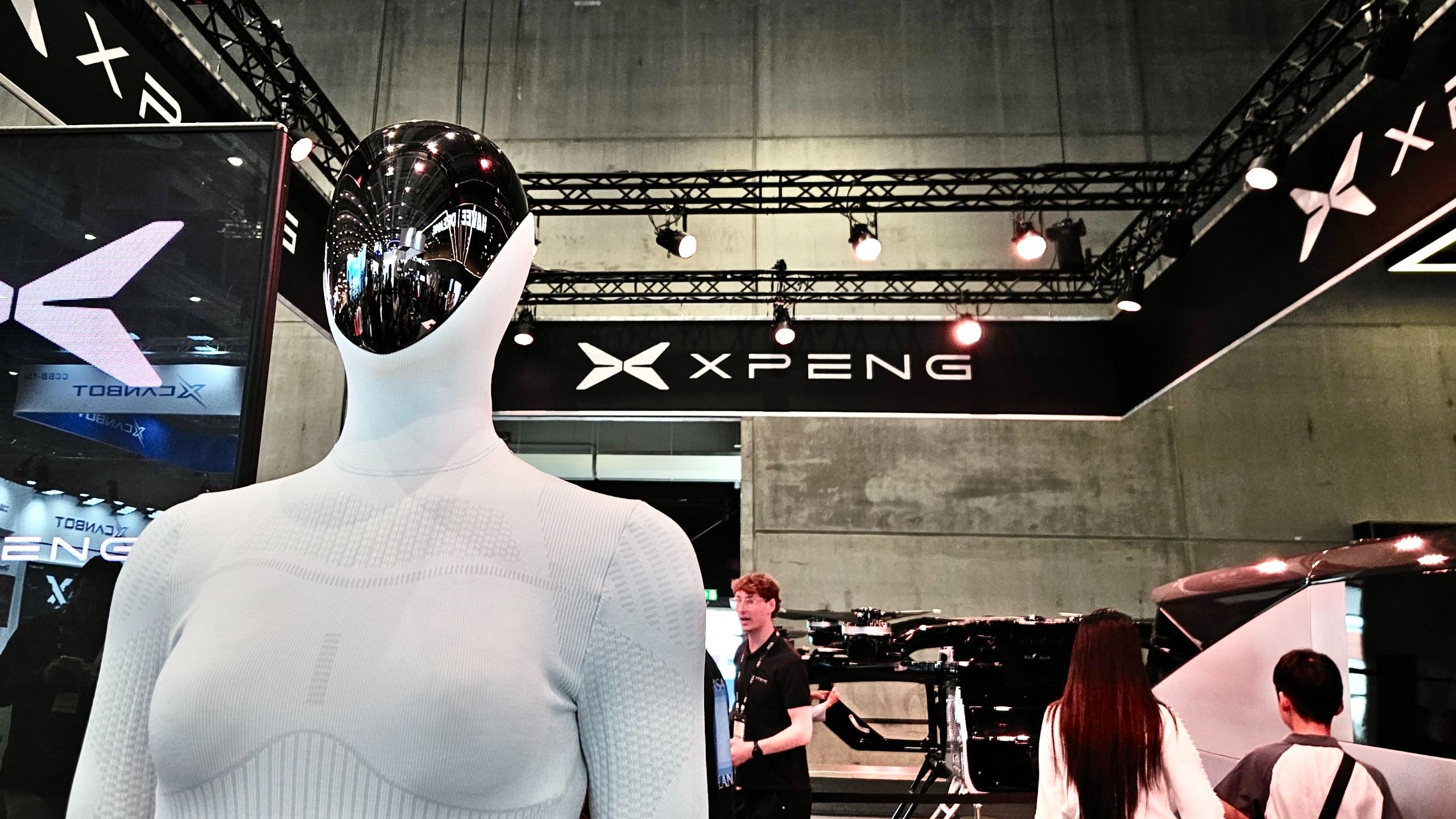
Xpeng's IRON Humanoid Robot
Xpeng's IRON humanoid robot enters mass production, with potential for domestic and industrial use
Introduction To Humanoid Robots
The field of robotics has witnessed significant advancements in recent years, with the development of humanoid robots being a notable example. These robots are designed to resemble and mimic human-like movements and interactions, making them potentially useful for a wide range of applications. One such robot, dubbed IRON, has been developed by Chinese technology company Xpeng and has now entered mass production. According to Xpeng representatives, IRON will be the first humanoid robot to be produced on a large scale, with the company aiming to ship units to commercial customers next year.
Design And Capabilities Of IRON
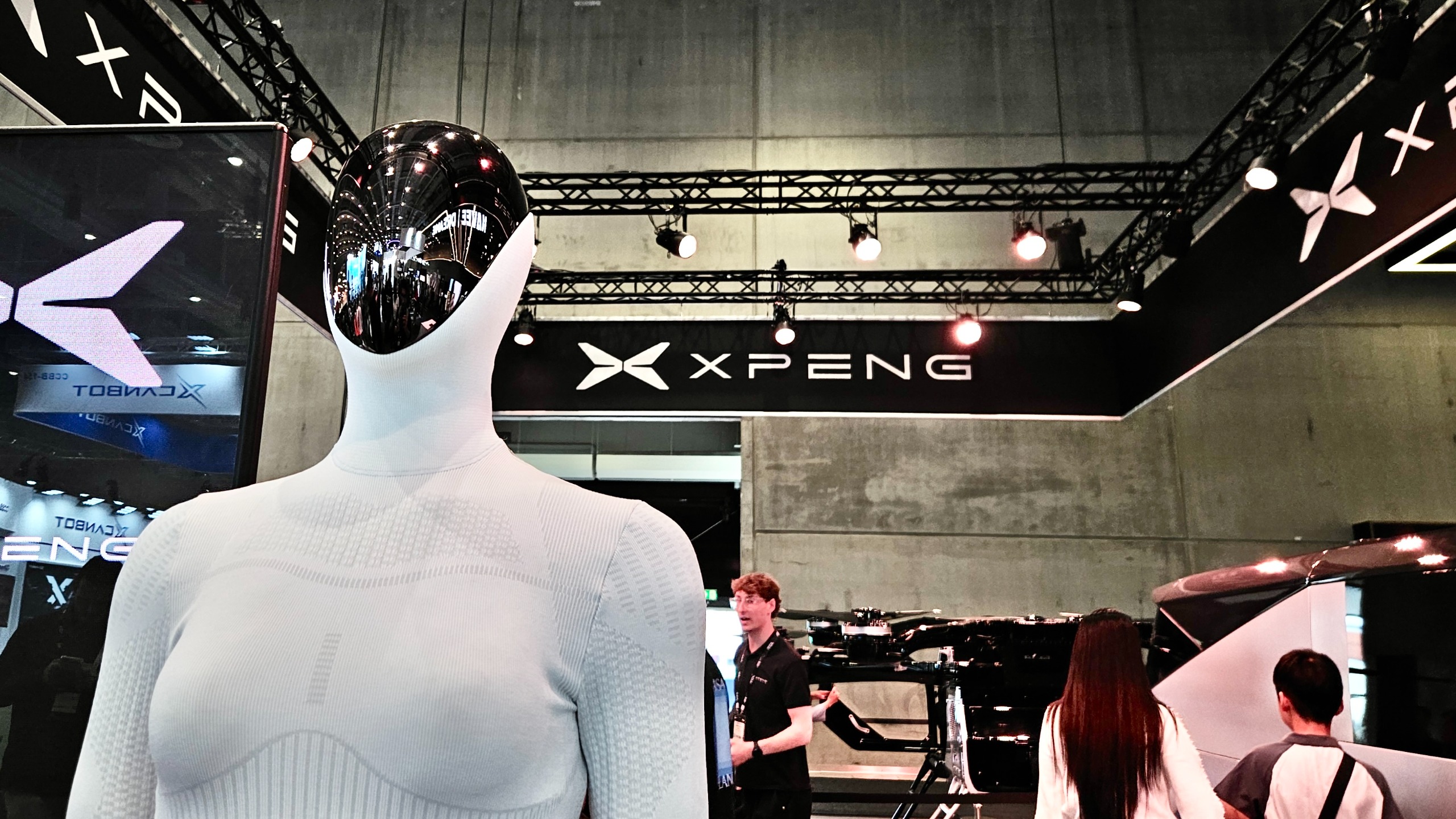
IRON is a highly advanced humanoid robot, standing approximately 5 feet 7 inches tall and weighing 143 pounds. It has a fabric skin-clad body, which comes in different shapes and genders, and is equipped with 82 degrees of freedom, including 22 degrees of freedom in each hand. This allows the robot to move and interact with its environment in a highly flexible and human-like manner. IRON can also move at speeds of up to 6.5 feet per second, which is equivalent to a fast power walk. Additionally, the robot has a "self-charging" feature, which enables it to seek out designated charging cabins and plug itself in when low on battery.
Artificial Intelligence And Navigation
One of the key challenges in robotics is navigating and manipulating the physical world, which can be messy and unpredictable. To overcome this, Xpeng has deployed a proprietary AI system that combines three frameworks, including vision-language-action (VLA) systems, to enable IRON to function autonomously. The robot can receive instructions, plan its strategy, navigate its environment intelligently, and avoid obstacles without trial and error. Xpeng representatives claim that IRON is more advanced than its counterparts, with the company's "world model" powering the robot, as well as its fleet of AI-enabled electric vehicles and flying car prototypes.
Real-World Implications And Future Outlook
Xpeng representatives have extremely lofty expectations for IRON, with the company branding it the world's first "high-level, general-purpose" humanoid robot. They envision the robot being used in homes to help with domestic chores, such as cleaning and folding laundry, and expect robots to proliferate on a similar scale to smartphones over the next few years. While competitors, such as American robotics company Figure AI and Chinese AGIBOT, have also entered mass production, Xpeng's IRON is notable for its advanced AI capabilities and potential for widespread adoption. As the field of robotics continues to evolve, it will be interesting to see how IRON and other humanoid robots are used in real-world applications.
Conclusion And Future Developments
The development and mass production of IRON mark a significant milestone in the field of robotics. With its advanced AI capabilities and human-like movements, IRON has the potential to revolutionize the way we interact with robots and use them in our daily lives. As Xpeng continues to refine and improve its technology, we can expect to see IRON and other humanoid robots being used in a wide range of applications, from domestic chores to industrial and commercial settings. With the rise of humanoid robots, it will be exciting to see how they shape our future and transform the way we live and work.
Sources
This is an original synthesis by Qivorane based on reporting from the outlets below.