
Smaller Transistors
How small can transistors get and what are the implications
Introduction To Transistors
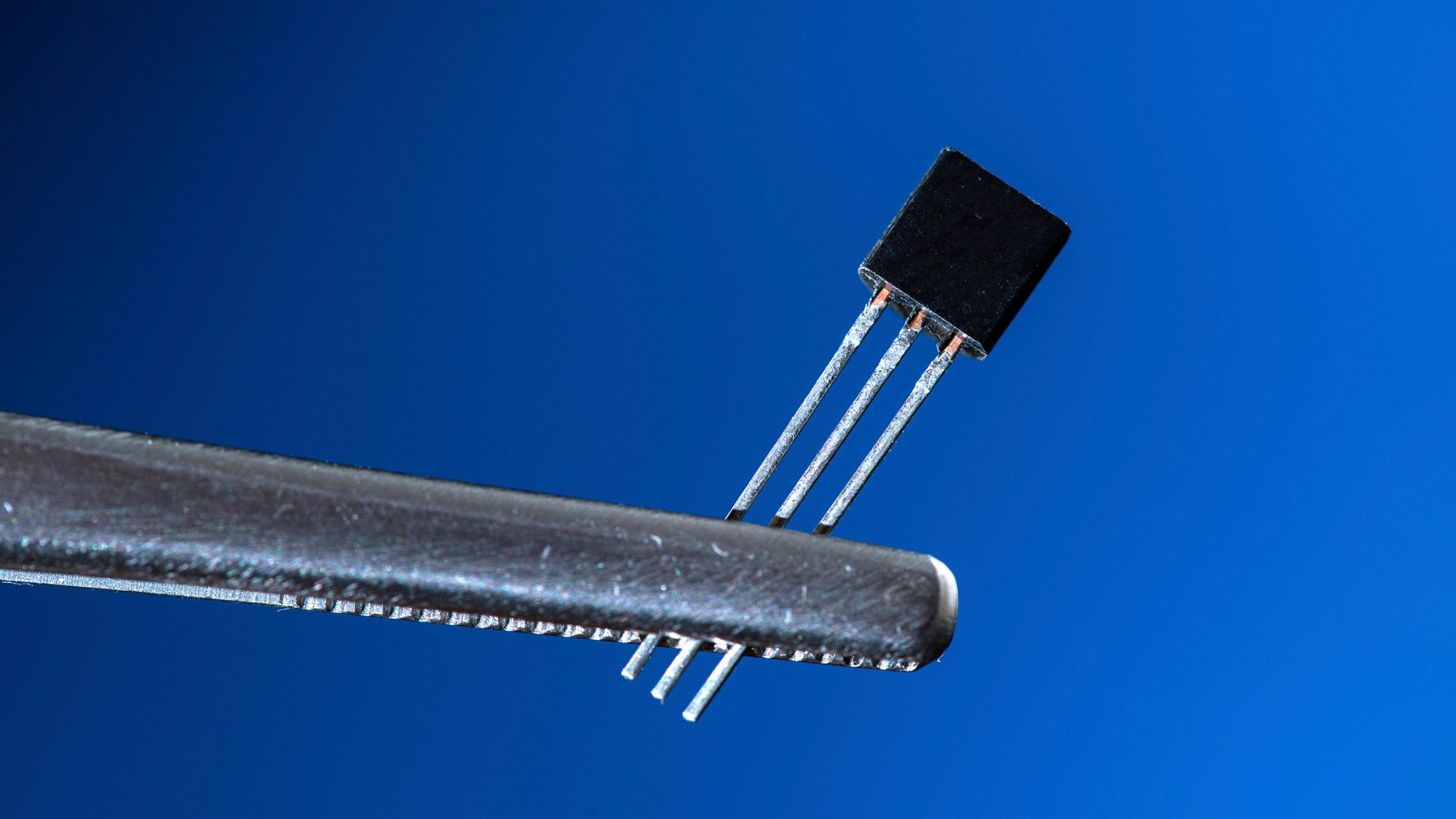
Transistors are a crucial component in modern electronics, found in circuit boards and other devices. They act as switches, turning on and off in response to electrical signals, and are responsible for processing information in computers and other devices. The quest to make transistors smaller has been ongoing for decades, driven by the need for greater processing power and efficiency. As technology continues to advance, the question of how small transistors can get has become increasingly important.The Science Behind Transistors
To understand the limitations of transistor size, it's essential to know how they work. Transistors are essentially tiny switches that control the flow of electrical current. They are made from silicon and are found on computer chips, which are themselves part of larger circuit boards. The smaller the transistors, the more that can fit on a chip, and the faster and more efficient the device will be. Researchers have made significant progress in shrinking transistors, with some devices now using single atoms to control the flow of electrons. However, creating a complete device at this scale is still a challenge.Advances In Transistor Technology
Recent studies have demonstrated the potential for using new materials to create even smaller transistors. For example, researchers have used two-dimensional semiconductors made of tungsten disulfide to shrink nanoribbon transistors down to a channel width of 25 nanometers. This is approximately 0.00025 the width of a human hair, and represents a significant breakthrough in transistor technology.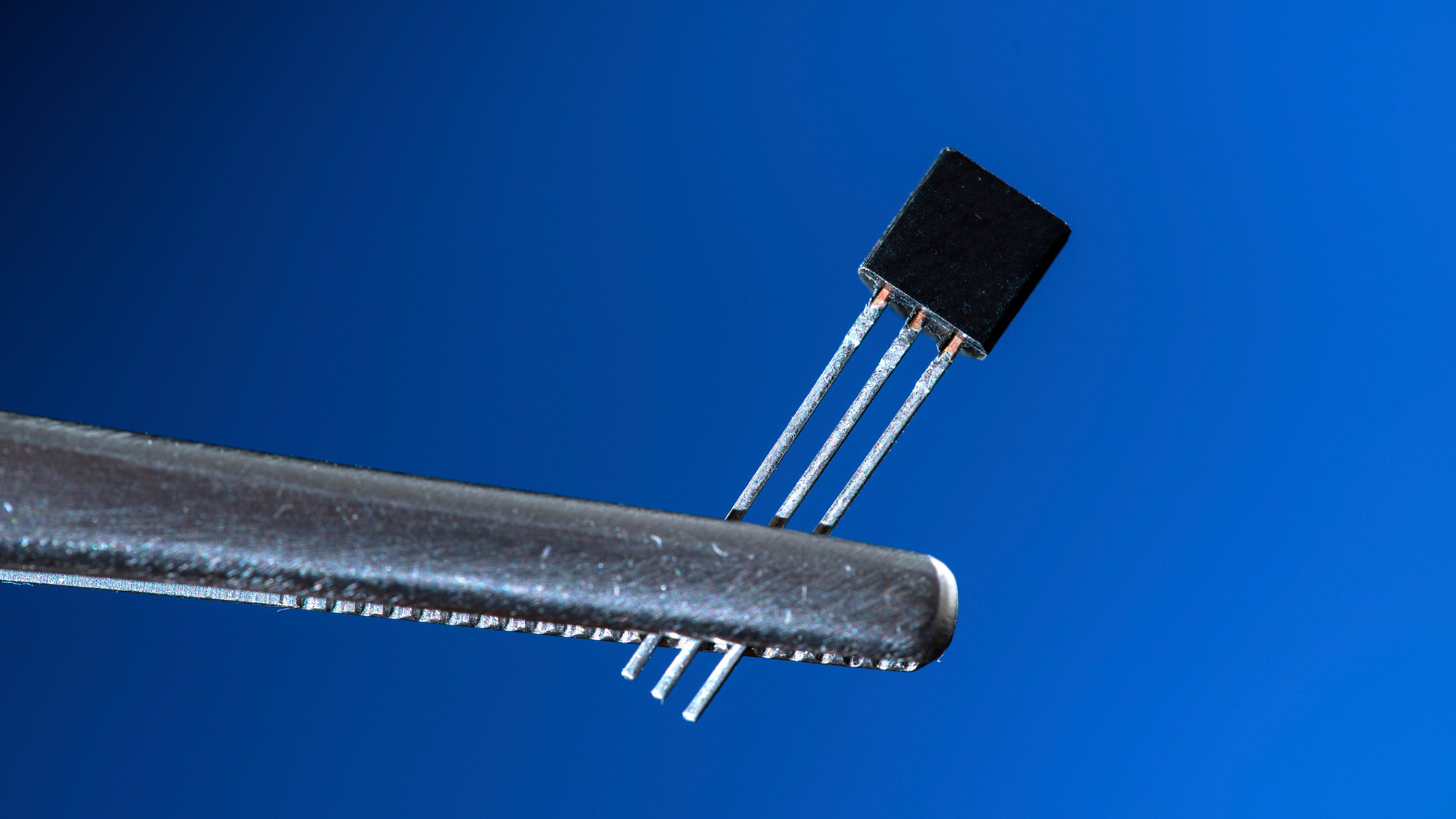 Two-dimensional semiconductors are electrically active materials that are only one or a few atoms thick, allowing for more precise control of electrical current and enabling the creation of smaller transistors.
Challenges And Considerations
While size is an important consideration in transistor design, it's not the only factor. Cost is also a significant concern, as designing and building new chips can be extremely expensive. The cost of research and development is comparable to that of the pharmaceutical industry, with billions of dollars invested in the development of new technologies. As a result, researchers must balance the need for smaller, more efficient transistors with the need to keep costs manageable. Additionally, the use of new materials and technologies will require significant investment in infrastructure and manufacturing processes.
Future Outlook
Despite the challenges, researchers are optimistic about the potential for future advances in transistor technology. The use of two-dimensional semiconductors and other new materials is expected to enable the creation of even smaller transistors, although this may require significant changes to existing manufacturing processes. Over the next decade, silicon transistors are expected to continue to shrink, although at a slower rate than in the past. However, to achieve significant reductions in size, researchers may need to move beyond silicon to atomically thin materials.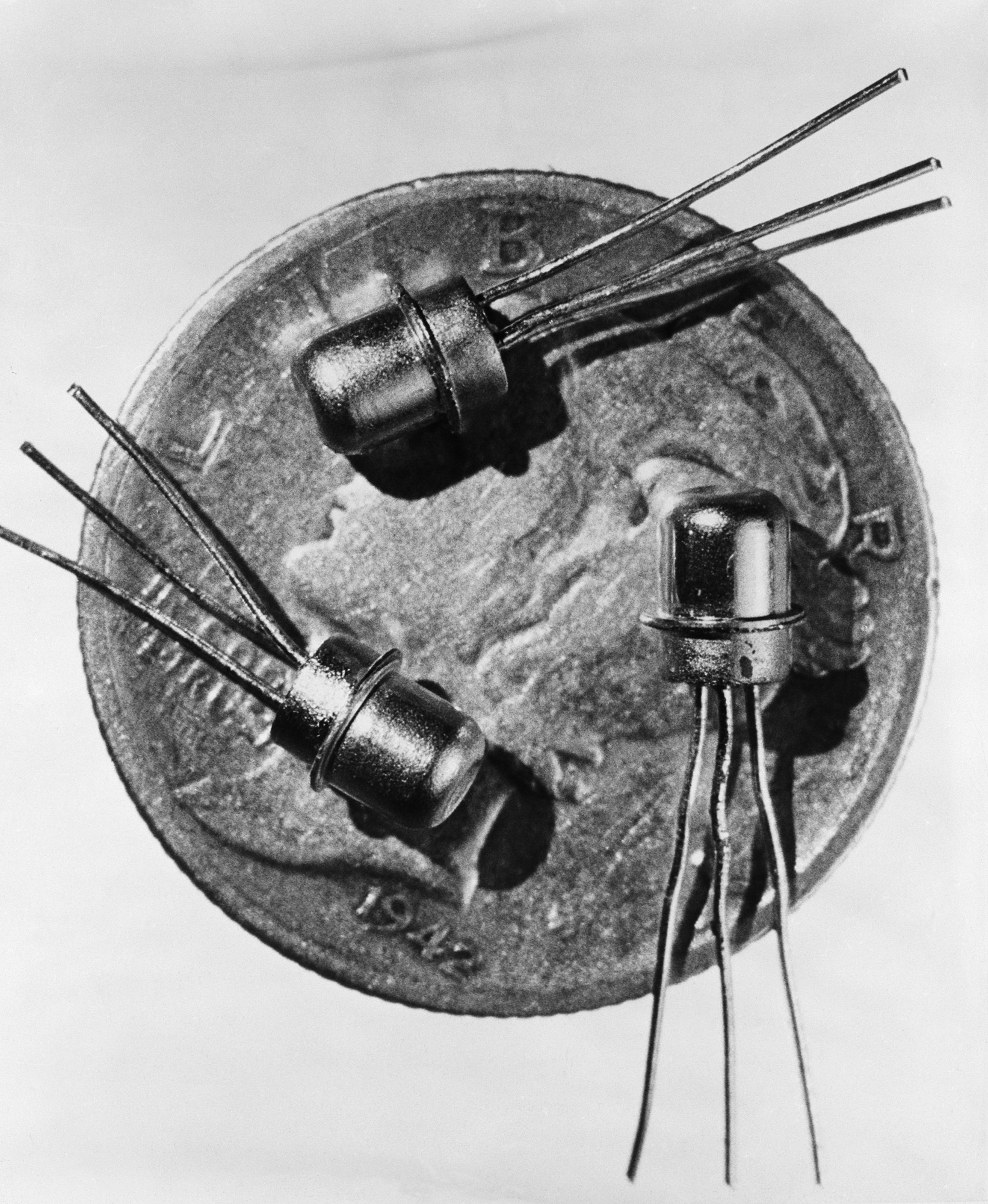 This could enable the creation of devices that are not only smaller and more efficient but also more powerful and capable.
Real-World Implications
The development of smaller, more efficient transistors has significant implications for a wide range of industries, from consumer electronics to artificial intelligence. The ability to create devices that are faster, more powerful, and more efficient will enable new applications and uses that are not currently possible. For example, the use of smaller transistors could enable the creation of more powerful AI systems, which could in turn drive advances in fields such as healthcare and finance.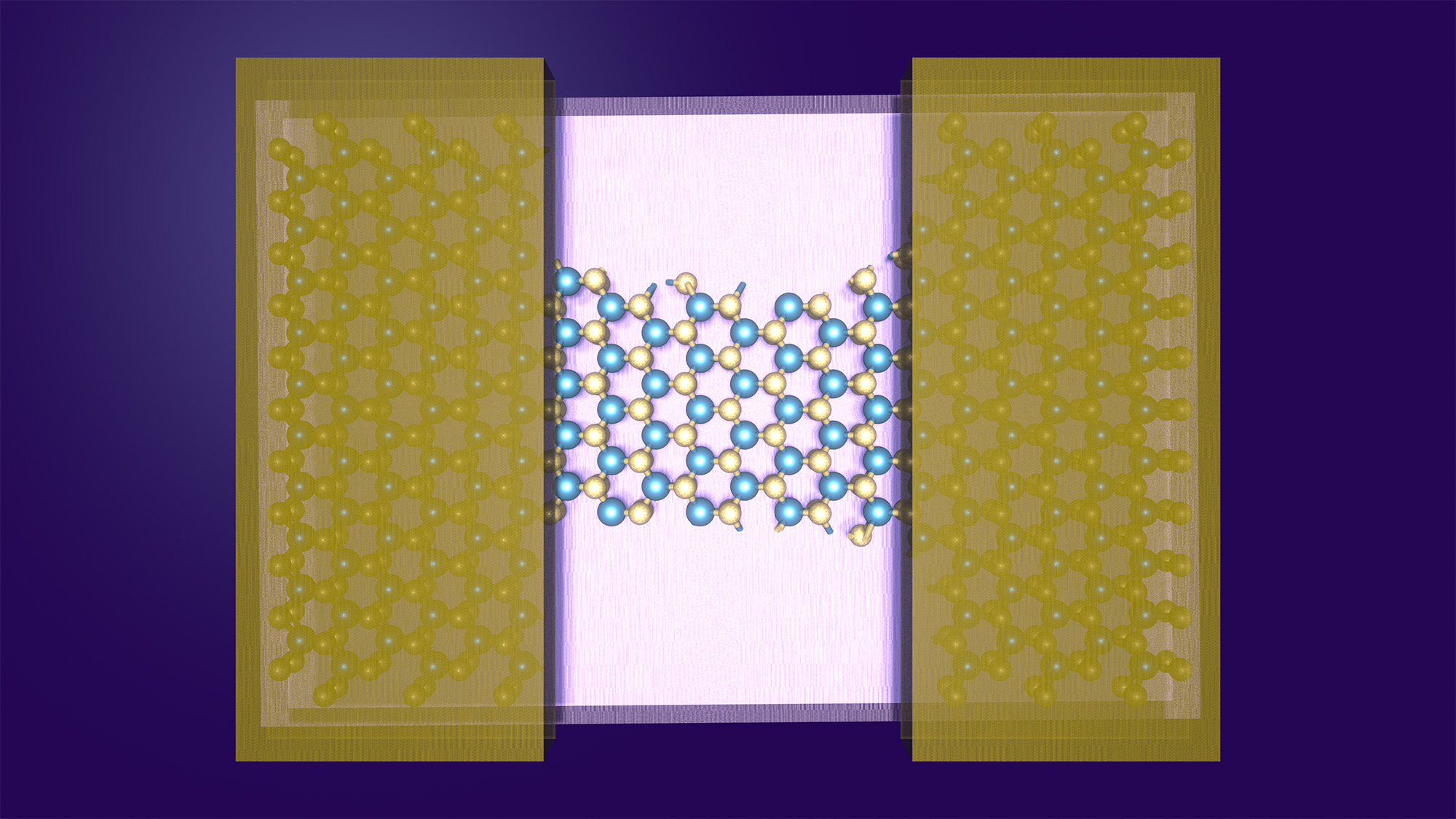 As researchers continue to push the boundaries of transistor technology, we can expect to see significant advances in a wide range of fields.
Sources
This is an original synthesis by Qivorane based on reporting from the outlets below.