
Stone Age Burial Uncovered
Archaeologists discover Stone Age burial site in Poland with unusual items
Introduction To Stone Age Burial
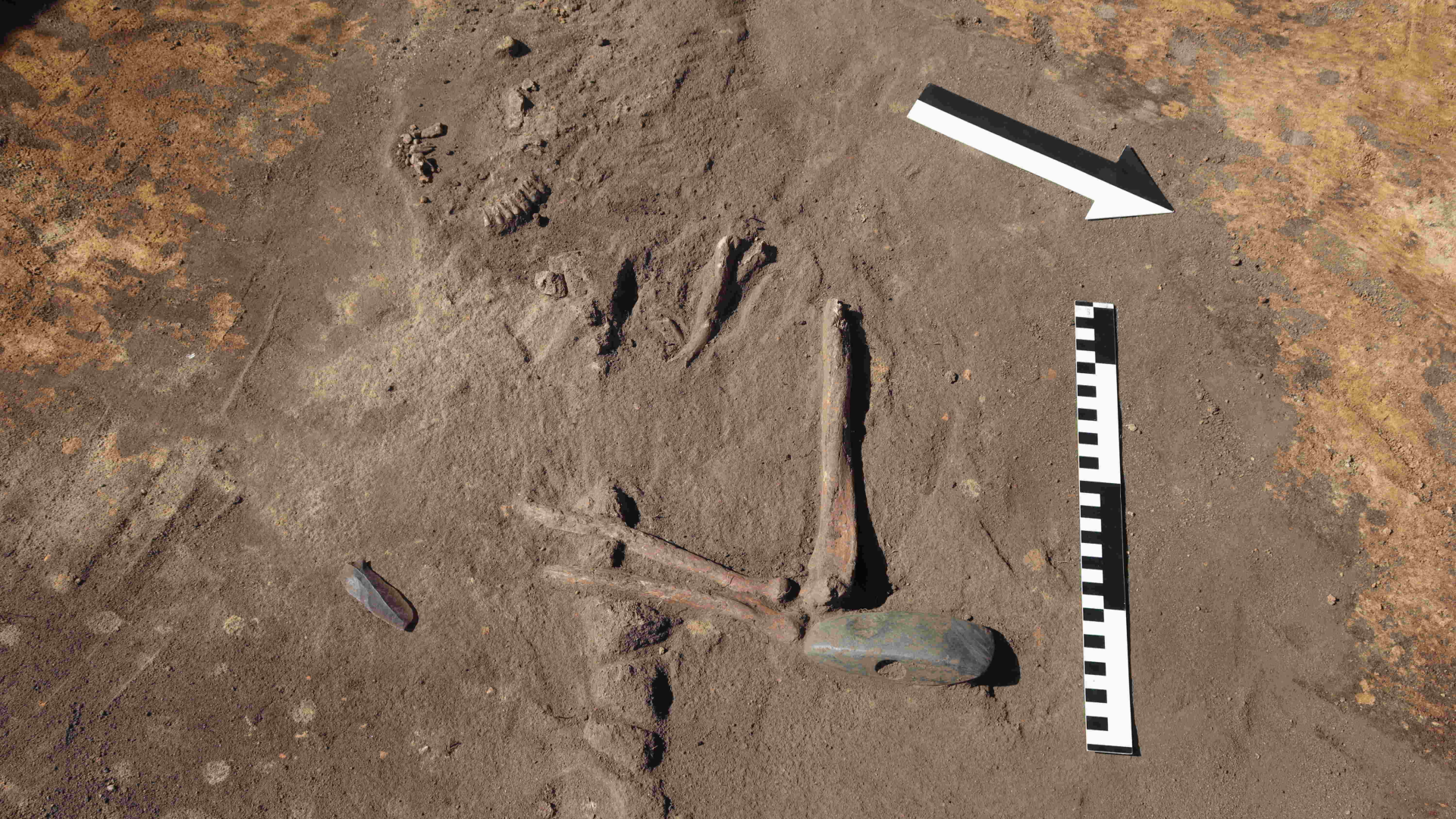
A recent excavation in Poland has uncovered a Stone Age burial site that is shedding new light on the lives of our ancient ancestors. The discovery, made by archaeologists in a Roman-period cemetery, includes the grave of a man buried with two decapitated human heads, a necklace made from 42 mammal teeth, and a battle ax. The ax, made of serpentinite, a greenish metamorphic rock, provides a crucial clue about the age of the burial, dating it back to around 2900 B.C., during the Middle Neolithic period.
Uncovering The Burial Site
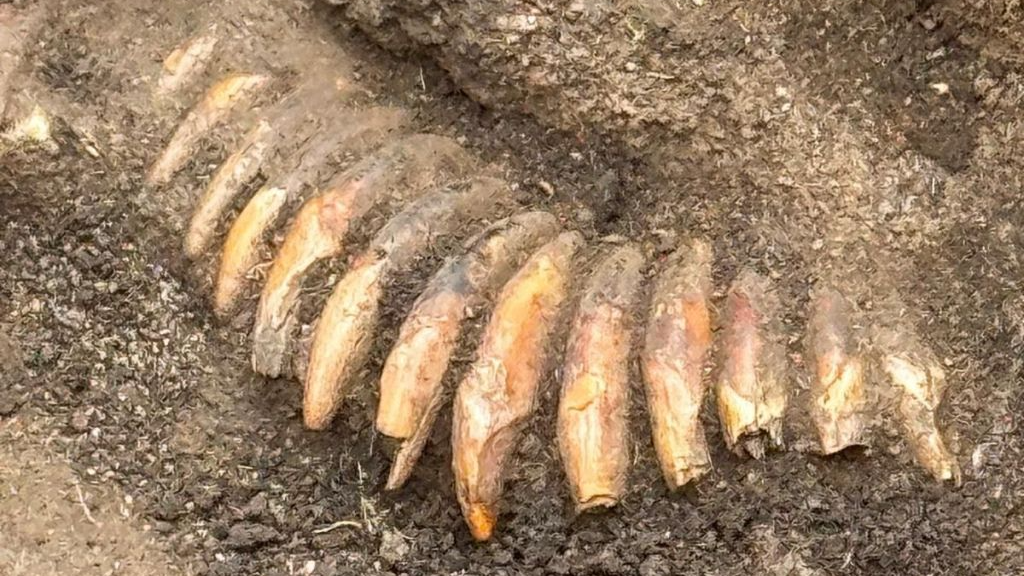
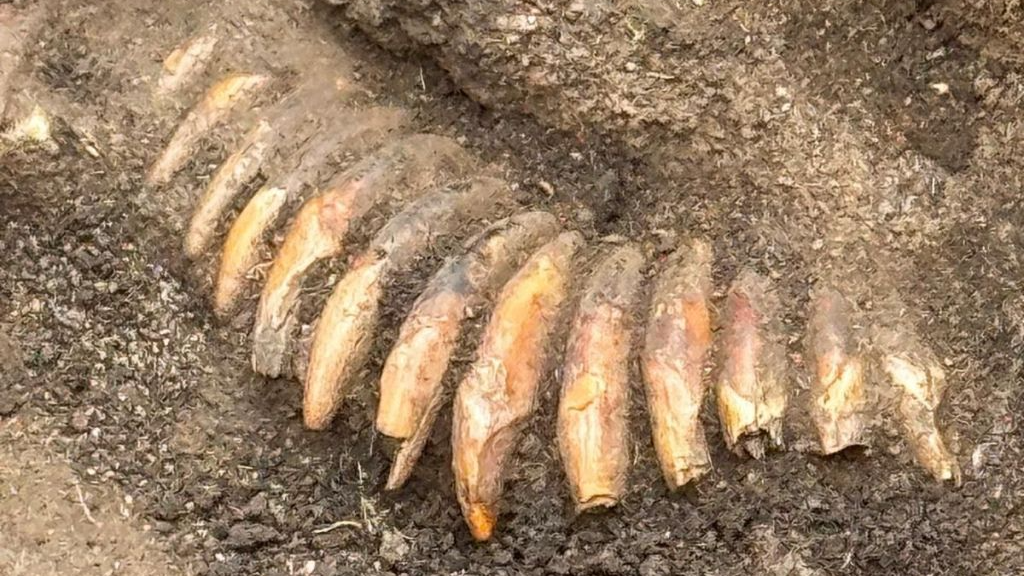
The grave, found near Wrocław in southwest Poland, contains the nearly complete skeleton of an adult male, along with several unusual items, including amber beads, a flint blade, and the battle ax. According to Paweł Dąbrowski, a biological anthropologist at Wrocław Medical University, the team was initially excavating a Roman-period cemetery when they stumbled upon the circular shape of the Stone Age grave. As they began digging, they discovered a necklace made from animal teeth, carefully arranged and drilled with holes, suggesting a precise and intentional arrangement.
Analysis Of The Findings
The teeth used to make the necklace were incisors and canines from large mammals, such as wolves, deer, bears, and potentially humans. Dąbrowski suggests that the presence of this necklace, along with the other items found in the grave, may indicate that the buried individual was someone important, possibly a warrior, hunter, or leader of a family clan. The burial also contains the remains of two human skulls, which may have been decapitated and buried as gifts or funeral offerings, although further analysis is needed to confirm this.
Implications And Future Research
The discovery of this Stone Age burial site provides valuable insights into the lives and culture of our ancient ancestors. The fact that the buried individual was found with a necklace made from animal teeth and a battle ax suggests a level of sophistication and complexity in their society. According to Dąbrowski, the next step is to analyze the remains from both Stone Age burials to determine if the individuals were related and what their lives were like nearly 5,000 years ago. The researchers also hope to learn more about the Corded Ware culture, which may have spread Indo-European languages around Europe and Asia.
Conclusion And Future Outlook
The excavation in Poland has uncovered a fascinating piece of history, providing a glimpse into the lives of our Stone Age ancestors. As researchers continue to analyze the findings, they may uncover even more secrets about the culture, society, and way of life of these ancient individuals. The discovery of this burial site is a significant contribution to our understanding of human history, and it will be exciting to see what future research reveals about this intriguing period in our past.
Sources
This is an original synthesis by Qivorane based on reporting from the outlets below.