
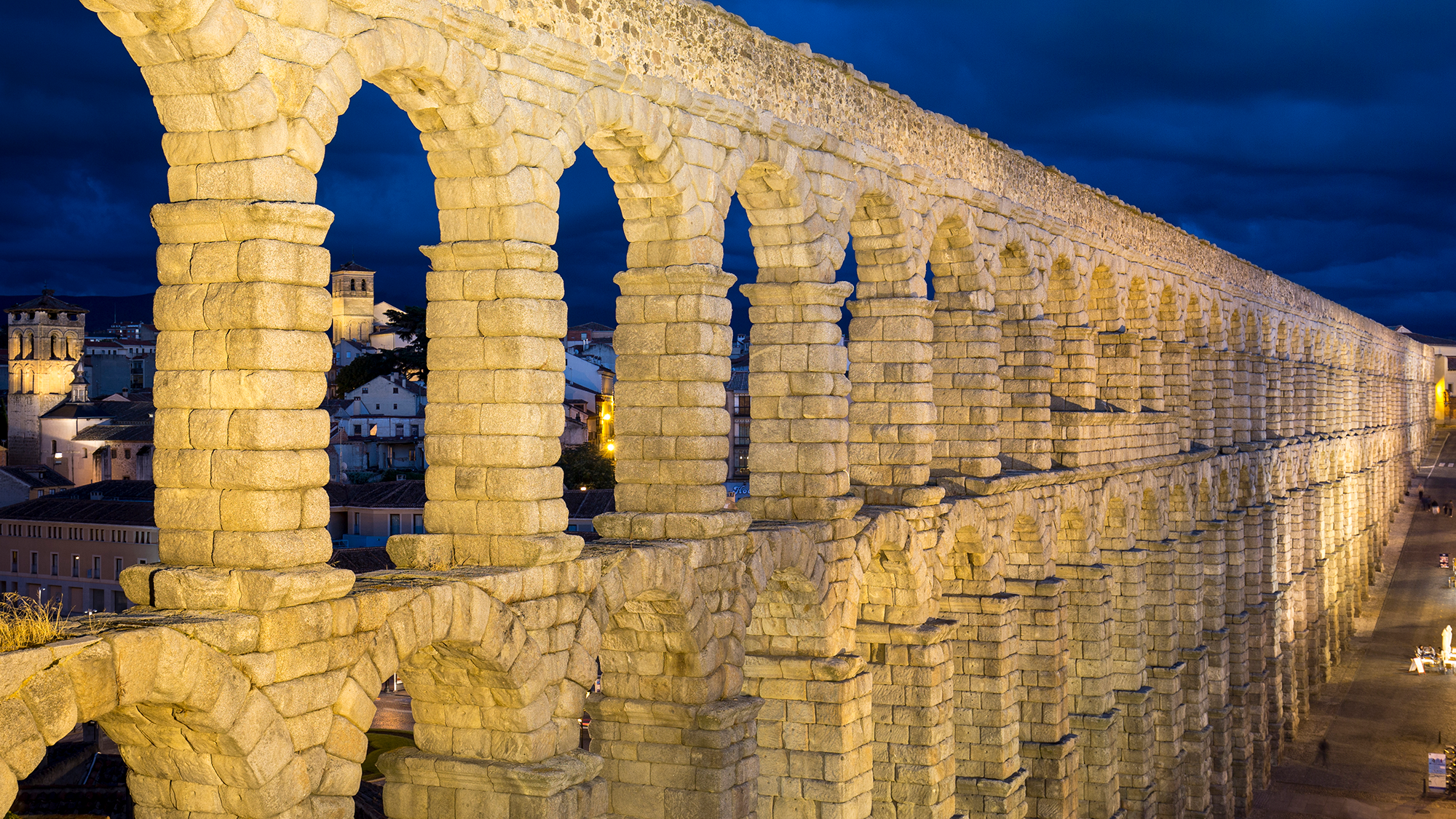
Roman Aqueducts Engineering
Romans built long-lasting aqueducts using durable concrete and careful route selection
Introduction To Roman Aqueducts
The Romans are renowned for their impressive engineering feats, and their aqueducts are a testament to their innovative skills. These structures, which brought water to cities and settlements, were often built to last, with some stretching for hundreds of miles. The aqueduct of Valens, for example, was an impressive 250 miles long and supplied water to the city of Constantinople, now modern-day Istanbul. The remains of these aqueducts are still visible today, demonstrating the Romans' exceptional engineering prowess.Preparing The Route
Before building an aqueduct, the Romans would select a source of water, often choosing springs for their reliability. The aqueducts were designed to flow towards the city or settlement, using a slight incline to ensure a steady flow of water. Roman surveyors played a crucial role in designing the route, using tools such as the libra or dioptra to determine the necessary gradient. The dioptra, a disc-shaped instrument with a sighting bar, allowed surveyors to measure differences in elevation by sighting through the bar at rods in the ground. The libra, on the other hand, used a plumb bob suspended in the air to compare with rods in the ground, enabling surveyors to determine differences in ground height.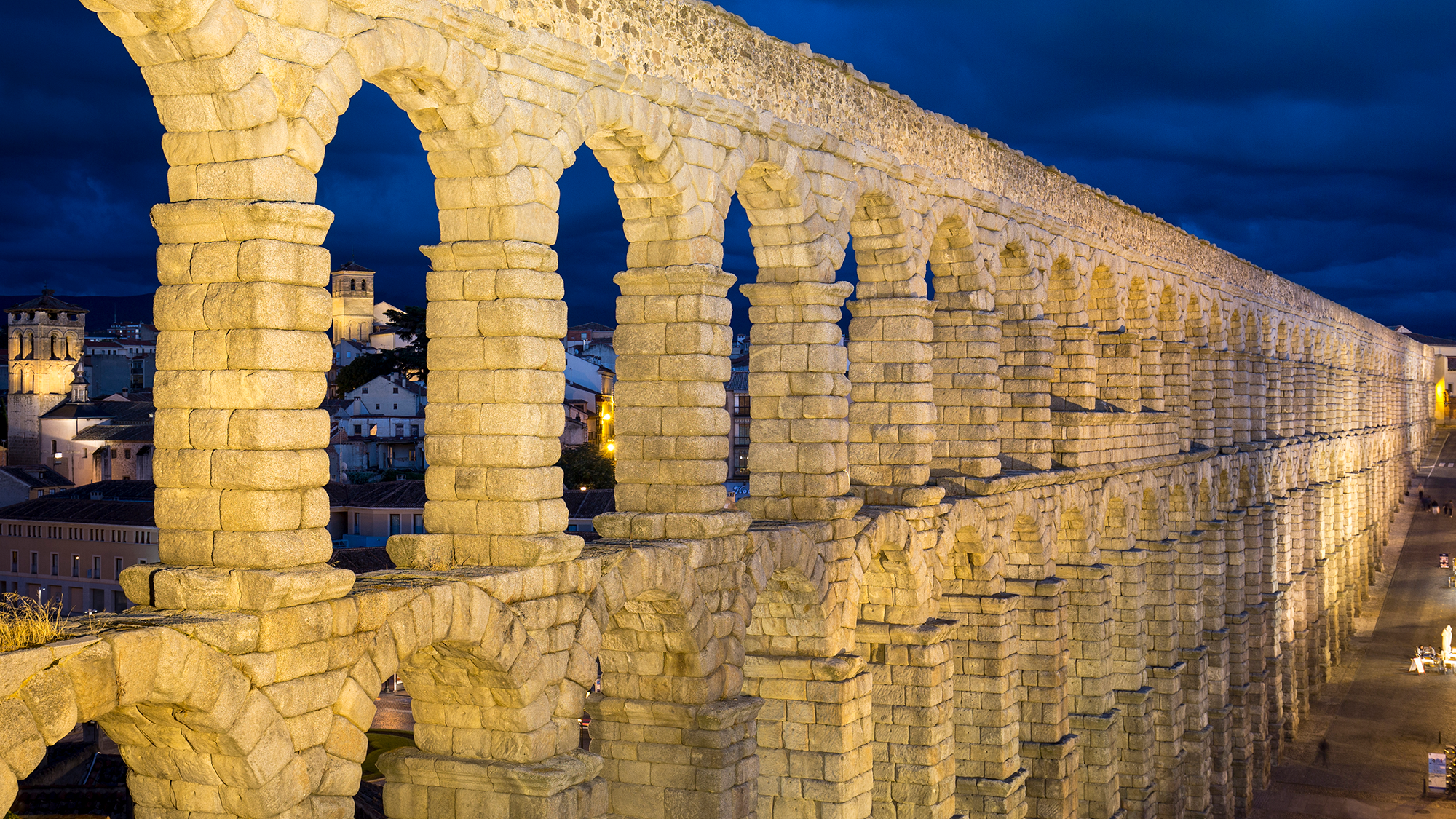
Building A Long-Lasting Aqueduct
The Romans' use of a durable form of concrete, known as Roman concrete, was a key factor in the longevity of their aqueducts. This concrete was made by combining pozzolan, an ashy substance, with lime and water, resulting in a strong and durable material that hardened when exposed to water. Roman concrete was particularly effective in bridges, arcades, and other structural elements, allowing the aqueducts to withstand the test of time.
Additional Factors Contributing To Longevity
While Roman concrete was a crucial factor in the longevity of the aqueducts, it was not the only factor. The Romans were careful to select routes that followed stable geological formations, avoiding areas with unstable landscapes such as volcanoes. Regular maintenance, which in some cases continued into the Middle Ages, also played a significant role in the preservation of the aqueducts. Additionally, the Romans would often build aqueducts with lengthy underground portions in areas where the landscape made it difficult to place them above ground.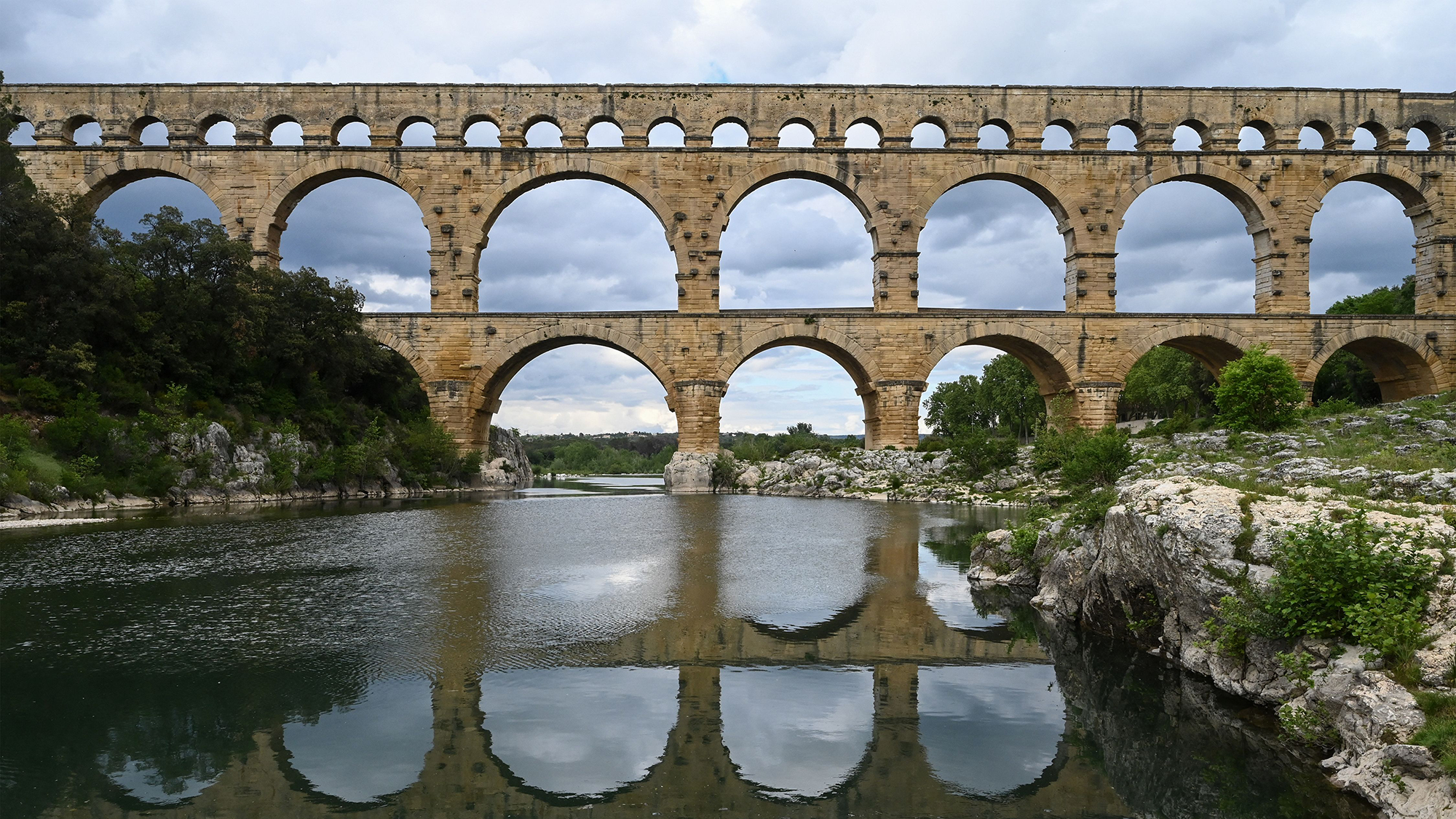
Real-World Implications And Legacy
The Romans' innovative approach to building aqueducts has had a lasting impact on modern engineering. Their use of durable materials and careful route selection has inspired modern engineers to adopt similar techniques in their own projects. The legacy of the Roman aqueducts can be seen in the many modern aqueducts that have been built around the world, providing clean water to millions of people.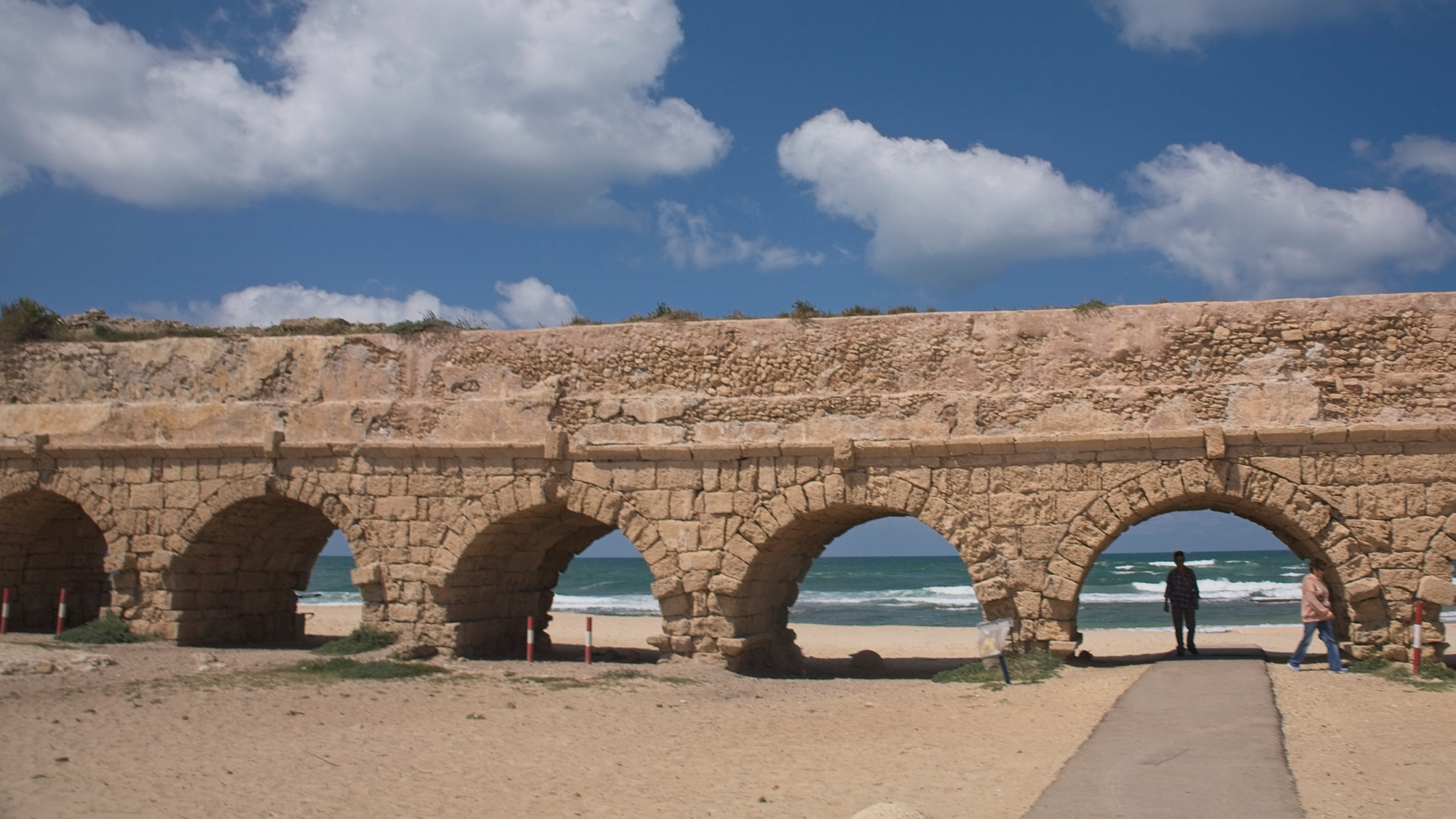
Sources
This is an original synthesis by Qivorane based on reporting from the outlets below.