
Snakes Curl Right Due To Gut
Snake embryos curl to the right due to their digestive tract, research finds
Introduction To Snake Embryos
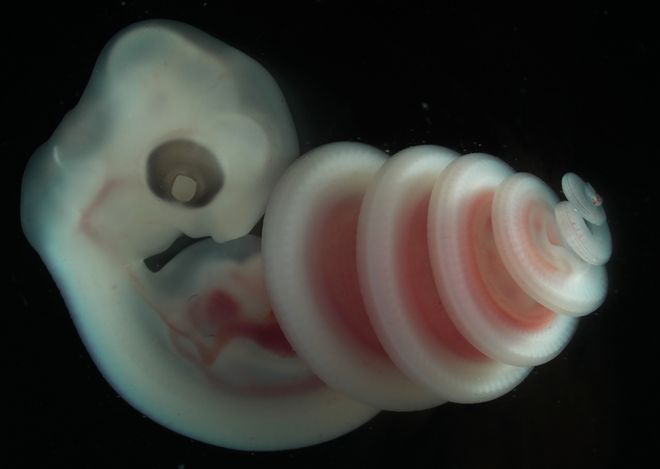
The mystery of why snake embryos consistently curl to the right has long fascinated scientists. During the COVID-19 lockdown, evolutionary biologist Tetsuto Miyashita and his students began investigating this phenomenon. They collected images of over 900 embryos from 39 species of snakes and other limbless squamates, observing a striking pattern: young snake embryos consistently started out curled to the right, even before their muscles were developed enough to move their bodies that way.The Role Of The Digestive Tract
Researchers used CT scans to examine the internal structure of snake embryos, revealing a previously unidentified biological structure: an intestine located outside the embryo's body, but enveloped by blood vessels stretching from the yolk. This "pillar of gut" slowly detaches from the yolk while tethering the elongating body, causing the snake embryo to twist into a coil on the opposite side of the yolk. Since the yolks are always on the left side of the embryo, the snake coils rightward.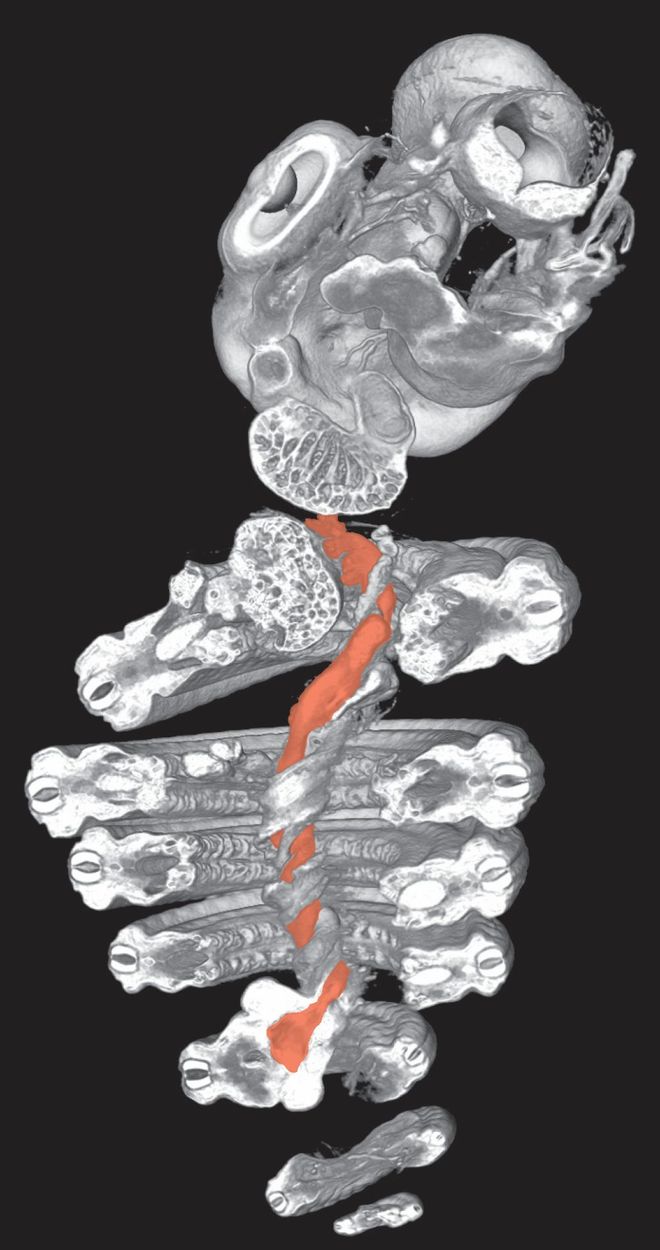
The Mechanism Of Coiling
The coiling of snake embryos is thought to be an adaptation that allows them to fit their long developing bodies inside an egg. As the embryo grows, its digestive tract initially grows more slowly, acting as a tether that forces the body to bend and twist into a spiral. The position of the yolk helps determine which way the first twist goes, with the yolk sitting on the left side of the embryo and directing the growing body toward the opposite side. This produces the initial right-handed coil, which eventually disappears as the embryo grows larger and uses up more of its yolk.Implications And Future Research
The discovery of the mechanism behind snake embryo coiling has significant implications for our understanding of snake evolution. Research into snake evolution has often focused on the genes behind their elongated bodies and numerous vertebrae. However, the new findings show that growth itself also plays a role, with different parts of the embryo influencing the shape the body takes. The study's authors suggest that this interaction between the lengthening body, the slower-growing gut, and the yolk may have helped make the snake's elongated body possible.
Conclusion And Future Outlook
The study of snake embryo coiling is an example of how simple observation skills can lead to significant discoveries. By examining the anatomy of snake embryos and recording which way they are coiled, researchers were able to uncover a previously unknown mechanism behind this phenomenon. Further research is needed to fully understand the implications of this discovery and to explore other spiral forms in nature. The study's authors suggest that their findings could be used to develop a model to explain other spiral forms in nature, such as the looping intestine and snail shells.Final Thoughts
The coiling of snake embryos is a fascinating phenomenon that has captivated scientists for years. Through a combination of observation, experimentation, and analysis, researchers have finally uncovered the mechanism behind this phenomenon. The discovery of the role of the digestive tract in snake embryo coiling is a significant breakthrough that sheds new light on the evolution of snakes and the development of their unique anatomy.
Sources
This is an original synthesis by Qivorane based on reporting from the outlets below.