
CTE Study Findings
New study estimates CTE prevalence in former NFL players, experts weigh in on implications
Understanding Chronic Traumatic Encephalopathy
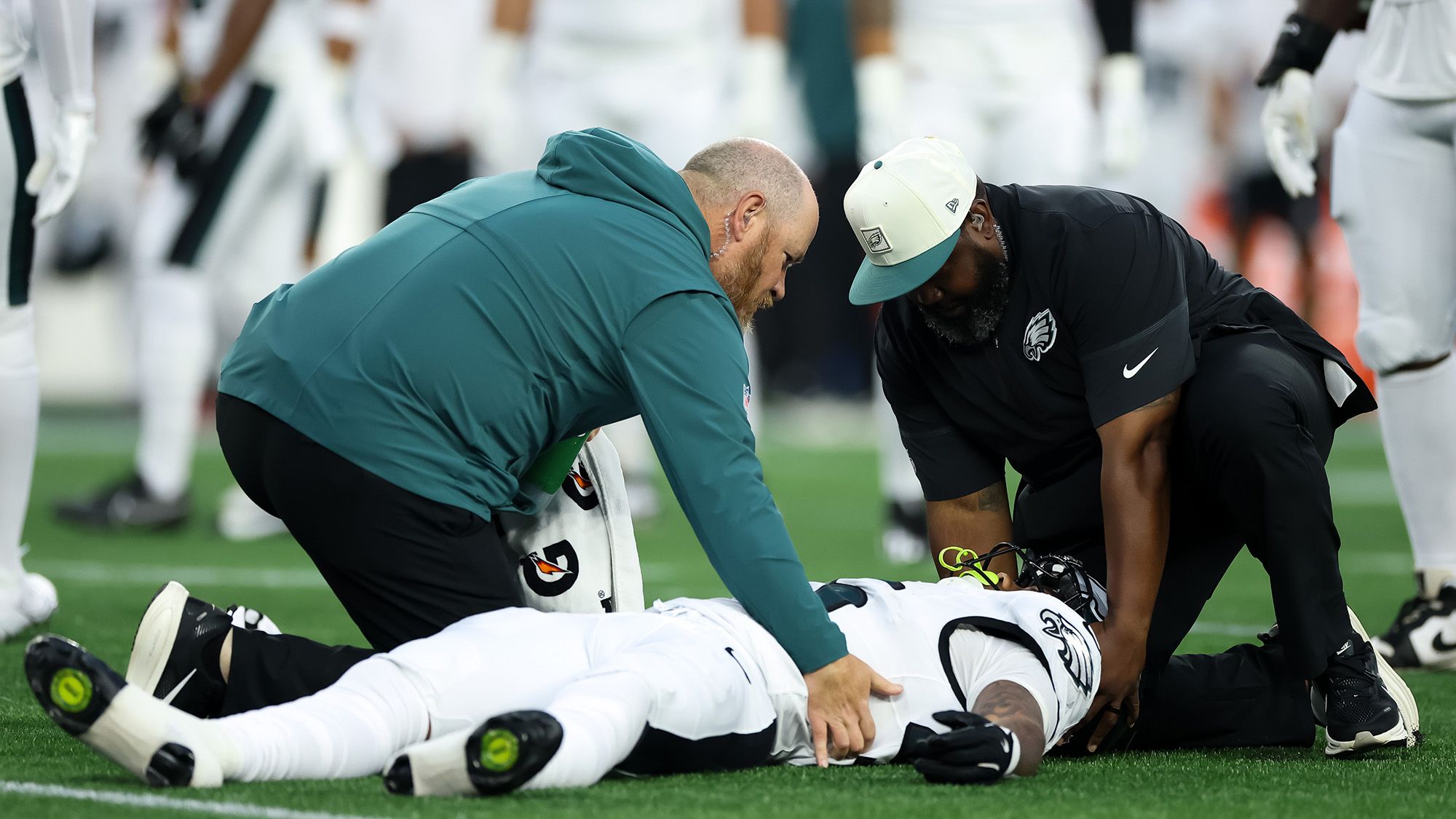
Chronic traumatic encephalopathy, or CTE, is a brain condition that has been linked to repeated head impacts, such as those experienced by football players. A recent study published in The BMJ examined donated brain tissue from 338 former National Football League (NFL) players who died between 2008 and 2021. The study found that over 93% of the donated brains showed physical signs of CTE, with about 30% having stage IV CTE, the most severe form. However, these physical signs of CTE aren't always associated with overt symptoms, such as cognitive decline, mood and behavioral changes, or dementia.Estimating CTE Prevalence
The researchers used the subset of donated brains to estimate the likely prevalence of CTE in the overall group of former NFL players who died during the study period. They estimated that between 18.5% and 98.7% of the deceased players likely had CTE. When focusing on the period with the highest number of brain donations, from 2016 to 2021, the estimated rate was between 24.5% and 97.7%. According to Thayne Munce, an associate professor and director of the Jayhawk Athletic Performance Laboratory at the University of Kansas, these findings shouldn't be extrapolated to all levels and ages of play, or even to today's NFL players.
Contextualizing the Study's Findings
Munce cautioned that the study's findings are specific to a certain era of football and should not be used to estimate current CTE rates. The study's high rate of CTE cases in the donor group is in line with previous research, but it's essential to consider the changes that have occurred in the sport over the past 50 years. Munce emphasized that this is probably the safest time to be playing the sport of football, given the advancements in helmet technology, rule changes, and increased awareness of head injuries.
Implications for Current Football Players
The study's findings have significant implications for current football players, from youth sports to the professional level. While the estimated prevalence of CTE is high, it's essential to recognize that the study's sample is not representative of all football players. Munce noted that the donors in the study were likely a select group, and the findings should not be generalized to all players. Furthermore, the study highlights the need for continued research into CTE and its causes, as well as the development of strategies to prevent and diagnose the condition.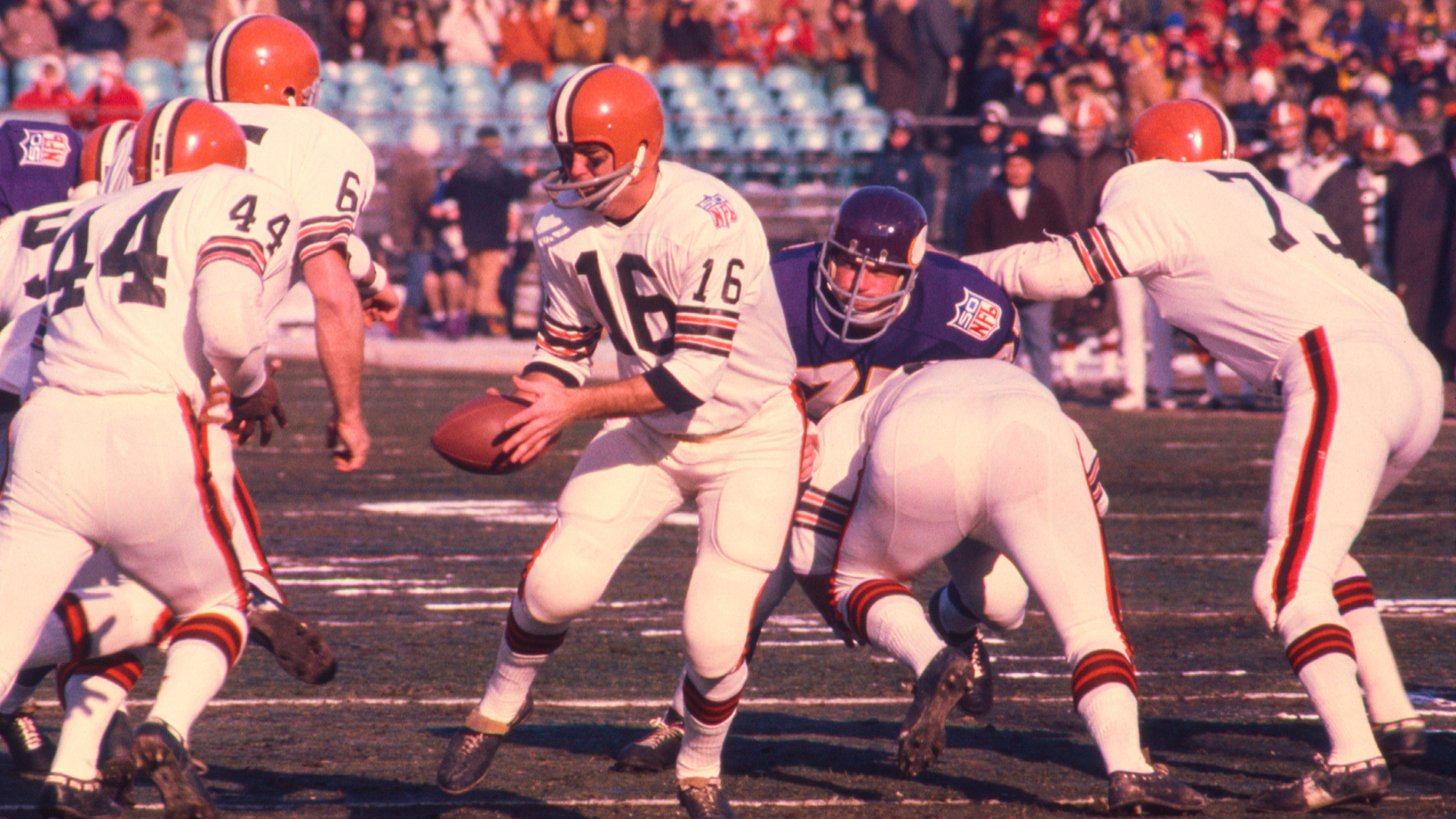
Future Outlook
The study's findings emphasize the importance of ongoing research into CTE and its relationship to football. As Munce noted, this is probably the safest time to be playing the sport of football, but there is still much to be learned about the condition and its causes. Future studies should aim to investigate the prevalence of CTE in current football players, as well as the effectiveness of strategies to prevent and diagnose the condition. By continuing to advance our understanding of CTE, we can work towards reducing the risk of this condition and promoting safer play for football players at all levels.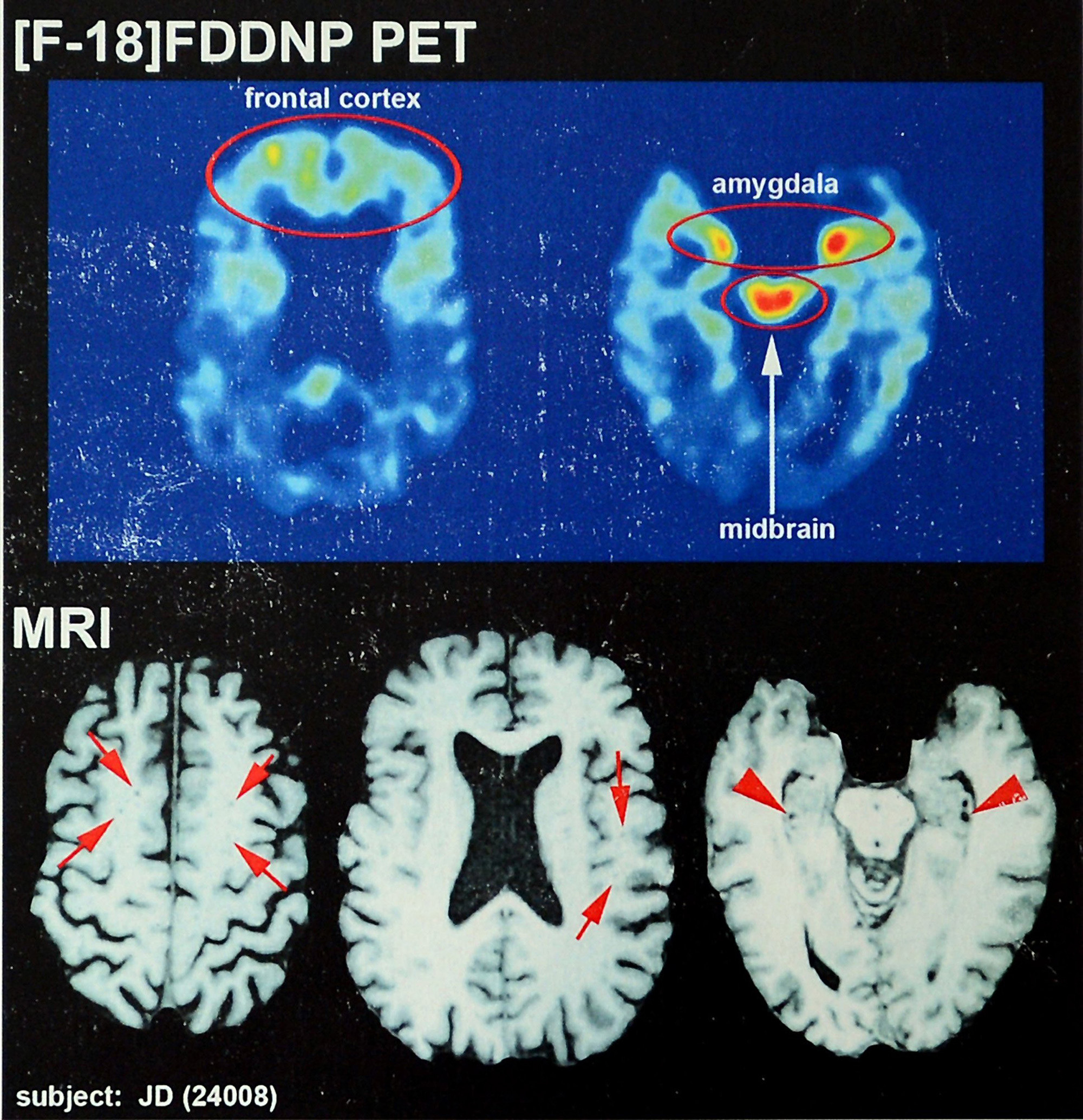
Sources
This is an original synthesis by Qivorane based on reporting from the outlets below.