
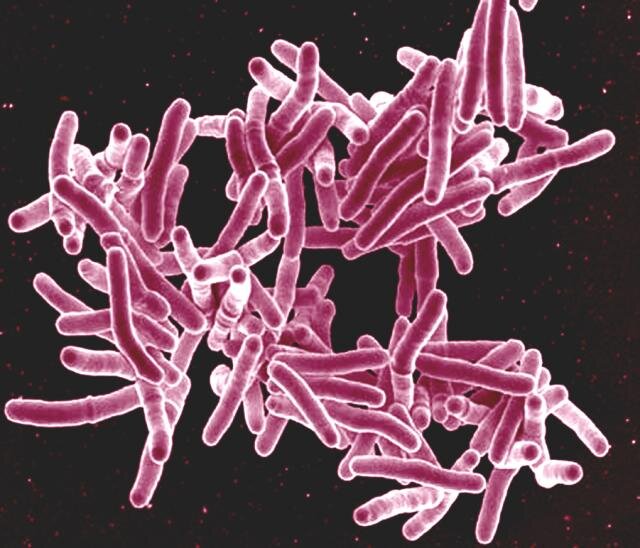
Tuberculosis Bacteria Mutate As They Dry
Airborne tuberculosis bacteria may mutate as they dry, revealing a target to curb drug resistance
Introduction To Airborne Tuberculosis
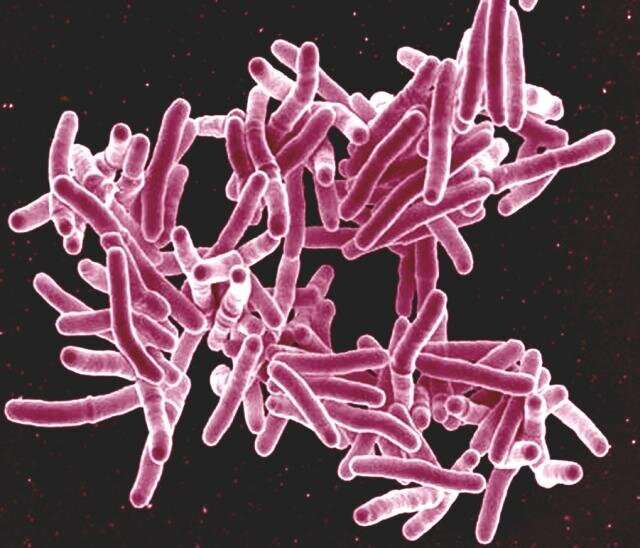
Tuberculosis, a lung infection caused by Mycobacterium tuberculosis (MTb), affects nearly 11 million people and causes roughly 1.2 million deaths globally each year. The bacteria are released into the air from infected individuals, forming infectious particles that can be transmitted to others. Researchers at Weill Cornell Medicine have made a significant discovery about the behavior of these airborne tuberculosis bacteria, shedding light on the mechanisms that enable them to survive and mutate as they dry.
Understanding The Mechanisms Of Mutation
The study, published in Nature Microbiology, demonstrated that desiccation, or the process of drying out, specifically elicited a DNA repair response in the bacteria. This response not only promoted the survival of MTb but also increased the appearance of mutations that made the bacteria resistant to the antibiotic rifampin. The researchers found that as the bacteria dry out, they experience oxidative stress, leading to DNA damage. In response, the bacteria activate a DNA repair program that helps them survive and recover once moisture becomes available again.
Implications For Drug Resistance
The discovery of the mechanisms that enable MTb to mutate and become resistant to rifampin has significant implications for the treatment of tuberculosis. Rifampin is a cornerstone of tuberculosis treatment, and resistance to the drug is a growing problem worldwide. The researchers identified a promising new drug target, the DNA repair gene called Mfd, which could be used to impair the survival of drug-resistant tuberculosis bacteria. By reducing the activity of this gene, it may be possible to combat drug resistance and improve treatment outcomes for patients with tuberculosis.
Tackling Transmission And Combating Drug Resistance
The study's findings suggest that transmission of tuberculosis involves more than the passive movement of bacteria between people. Instead, it may be a period during which the pathogen evolves and adapts to its environment. The researchers believe that their discovery could lay the groundwork for new strategies to interrupt transmission and combat drug resistance. By understanding the mechanisms that enable MTb to survive and mutate as they dry, it may be possible to develop new treatments and prevention methods that target these processes.
Future Outlook And Directions
The discovery of the mechanisms that enable MTb to mutate and become resistant to rifampin is an important step forward in the fight against tuberculosis. Further research is needed to fully understand the implications of this discovery and to develop new treatments and prevention methods. The researchers believe that their findings could have a significant impact on public health, particularly in areas where tuberculosis is prevalent. By combating drug resistance and improving treatment outcomes, it may be possible to reduce the global burden of tuberculosis and save countless lives.
Sources
This is an original synthesis by Qivorane based on reporting from the outlets below.