
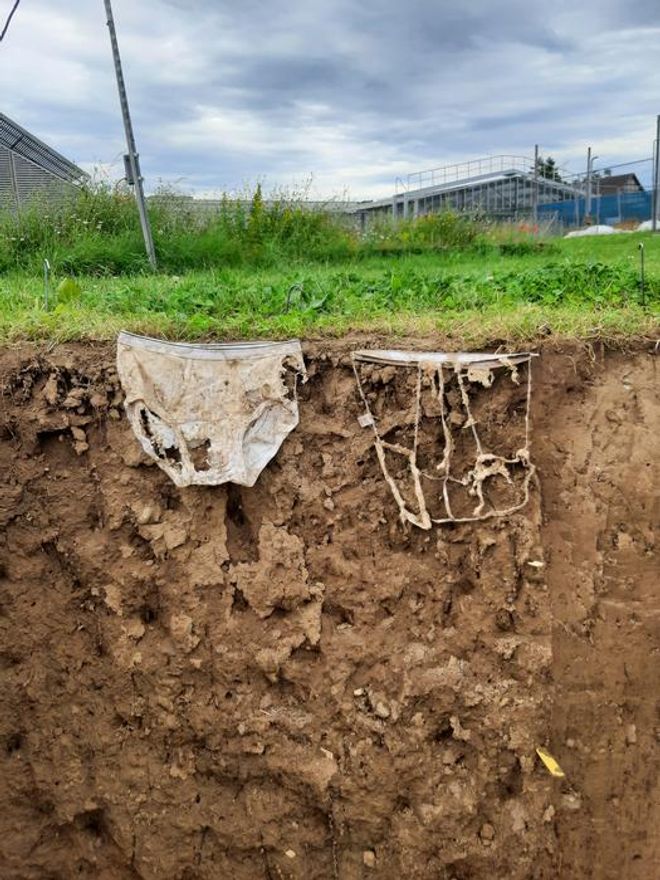
Scientists Bury Underwear To Study Soil
Researchers bury underwear to study soil biodiversity and health, revealing importance of sustainable management practices.
Introduction To Soil Biodiversity
Soil supports the food we eat, stores water, carbon, and nutrients, and provides habitat for a significant share of life on Earth. Scientists estimate that more than half of global biodiversity exists below the surface. However, soil biodiversity is declining around the world, threatening agriculture, food security, and the ability of ecosystems to function properly. To investigate this hidden world, researchers from the University of Zurich and Agroscope launched the citizen science project Proof by Underpants in 2021.The Proof By Underpants Project
The project involved 1,000 volunteers who buried more than 2,000 pairs of cotton underwear and 12,000 tea bags at roughly 1,000 sites across Switzerland. After two months, participants dug them up, photographed them, and sent the material to the laboratory along with soil samples for further study. The findings produced a broad map of biological activity in Swiss soils, revealing that the cotton underwear broke down at very different speeds depending on where it was buried. This decomposition rate served as a simple indicator of how much biological activity was taking place underground.Factors Influencing Soil Activity
The researchers found that land use had the strongest influence on how quickly the underwear decomposed. Private gardens showed the fastest decomposition, with these soils containing the highest amounts of organic matter, creating favorable conditions for earthworms, fungi, bacteria, and other organisms that live in soil. Lawns showed the lowest level of soil organism activity, while agricultural fields and meadows ranked between gardens and lawns. Chemical properties, such as nutrient levels, also mattered, with faster decomposition often associated with fertile soil and a plentiful supply of nutrients.Implications And Future Outlook
The study's results have significant implications for soil management and conservation. The researchers suggest that practices such as keeping soil permanently covered, applying compost, using more diverse crop rotations, and reducing the use of mineral fertilizers and pesticides can encourage soil life. The experiment also shows that burying cotton underwear can offer a simple but useful way to compare biological activity and fertility in different soils, with the potential to create an "underwear index" for soil health. Furthermore, the project demonstrates the power of citizen science in extending research beyond the lab and engaging the public in scientific inquiry.Conclusion And Recommendations
The Proof by Underpants project highlights the importance of soil biodiversity and the need for sustainable soil management practices. By understanding the factors that influence soil activity, we can take steps to promote healthy, biologically active soil, which is crucial for fertility, nutrient cycling, and many other ecosystem services. The study's findings also underscore the value of citizen science in advancing our knowledge of the natural world and promoting environmental stewardship.Sources
This is an original synthesis by Qivorane based on reporting from the outlets below.