
Japan's Biomass Energy Boom
Japan's biomass energy boom threatens Indonesia's forests, biodiversity, and indigenous communities
Introduction To Biomass Energy Boom
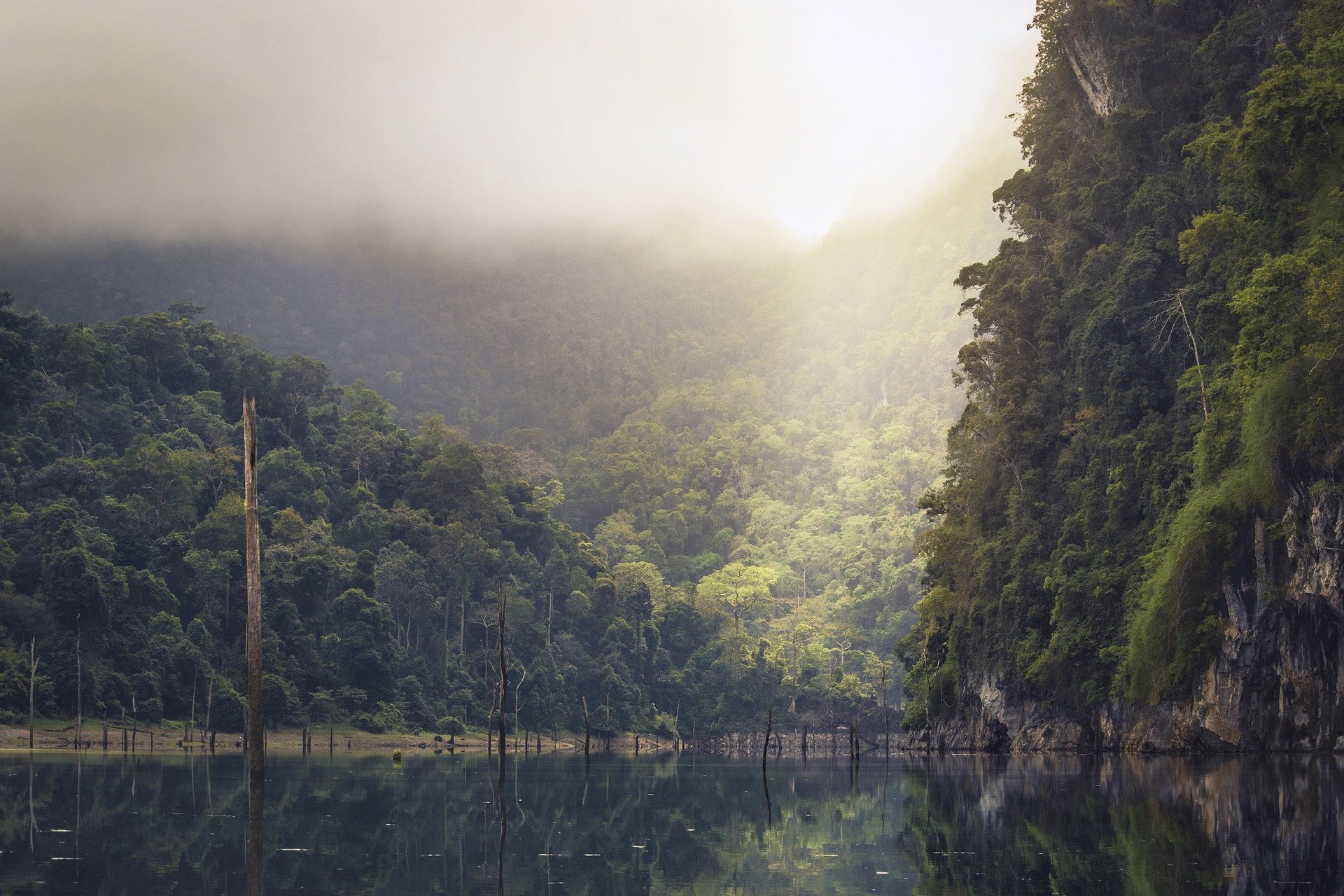
Japans biomass energy boom has raised concerns about further deforestation in Indonesia. The country's wood pellet and chip production has increased significantly, driving a new wave of deforestation and threatening the remaining tropical forests. These forests are not only vital biodiversity hotspots but also home to indigenous peoples who rely on the land for their livelihood.
Background Context Of Deforestation
Deforestation is a major environmental concern, contributing to erosion, damaging biodiverse areas, threatening wildlife, and intensifying disasters from extreme weather. The use of biomass as a source of energy has been promoted as a cleaner alternative to fossil fuels. However, critics argue that burning wood-based biomass can emit more carbon than coal and that tree-cutting greatly reduces forests' ability to remove carbon from the atmosphere. 
Research Methodology And Findings
A new satellite analysis from environmental non-governmental organizations, including Earth Insight, Auriga Nusantara, and the Indigenous Peoples' Alliance of the Archipelago, has found that expanding deforestation linked to biomass production could impact undisturbed forests that serve as critical habitats for vulnerable species. The research also found that concession permits for biomass have been granted, covering over 750,000 hectares of natural forest. This has raised concerns about the impact on indigenous communities living in the concession areas, who rely on the forest for their livelihood.
Real-World Implications And Future Outlook
The growth of the biomass industry in Indonesia has been driven by demand from countries like Japan, which is seeking to meet its renewable energy goals. However, critics argue that continued subsidies and weak oversight of the supply chain are likely to allow continued razing of pristine Indonesian forests. Experts, including the International Energy Agency, say it's essential to meet the demand for biomass in a sustainable way, such as using waste and crop residue rather than converting forest land to grow bioenergy crops. The use of biomass as a source of energy is a complex issue, and its impact on the environment and indigenous communities must be carefully considered.
Conclusion And Recommendations
In conclusion, Japan's biomass energy boom has raised concerns about further deforestation in Indonesia. The use of biomass as a source of energy is a complex issue, and its impact on the environment and indigenous communities must be carefully considered. To mitigate the negative impacts of biomass production, it's essential to promote sustainable practices, such as using waste and crop residue, and to ensure that the rights of indigenous communities are protected. Ultimately, a transition to cleaner energy sources, such as solar and wind power, is necessary to reduce our reliance on fossil fuels and mitigate the impacts of climate change.
Sources
This is an original synthesis by Qivorane based on reporting from the outlets below.