
Extreme Transistor Withstands 1000°F
Scientists develop transistor that can withstand extremely high temperatures, making it suitable for use in surface probes on Venus.
Introduction To Extreme Transistors
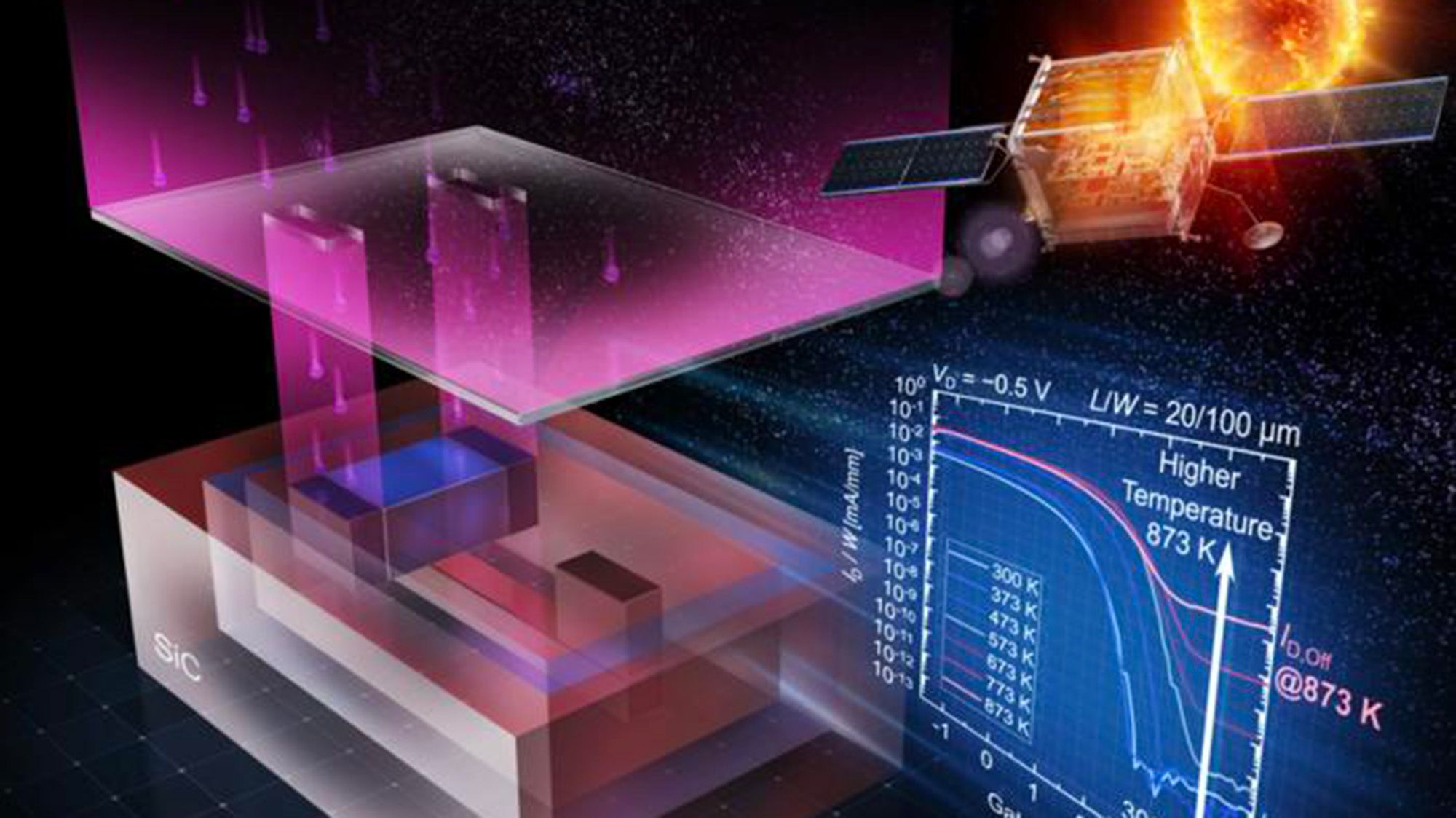
A team of scientists in Japan has successfully developed a new transistor that can withstand extremely high temperatures, making it a promising candidate for use in surface probes on Venus. The transistor, a type of junction field-effect transistor (JFET), was able to operate normally at temperatures ranging from room temperature to 1112 F (600 C). This breakthrough could potentially lead to the development of more robust and reliable electronic devices for deep-space exploration.
Background And Challenges
Most modern electronic devices, including those used for deep-space exploration, rely on transistors to control the flow of current. However, traditional transistors are not suitable for use in extreme environments such as Venus, where the thick carbon dioxide atmosphere can reach temperatures of 860 F (460 C). Silicon carbide (SiC) JFETs have been considered a promising option for low-power integrated circuits heading for Venus due to the material's inherent ability to withstand high temperatures. However, previously developed SiC-JFETs have been plagued by two major problems: low controllability and large leakage currents.
Design And Implementation
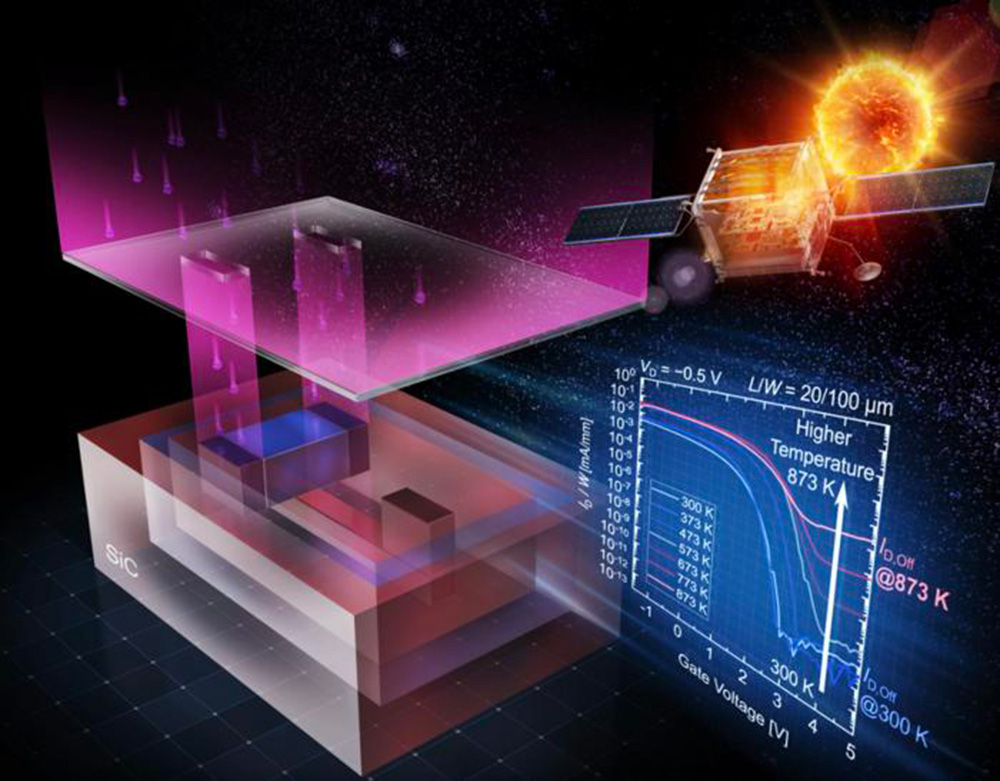
The researchers designed their new SiC-JFET with the two challenges in mind. To improve controllability, they implemented a bottom-gate structure, where the gate is located at the bottom of the transistor rather than the top. This design allows for better control over the flow of current and reduces the leakage currents. The team also used dopants to create two semiconductor "wells" in the SiC around the transistor, which helps to avoid large leakage currents. By addressing these challenges, the researchers were able to create a transistor that can operate reliably at extremely high temperatures.
Key Findings And Implications
The new transistor was able to operate normally at temperatures ranging from room temperature to 1112 F (600 C), making it a promising candidate for use in surface probes on Venus. The researchers believe that their design could be used in a variety of extreme environments, including deep-space exploration, geothermal drilling, and aerospace engine control. The development of this transistor could potentially lead to the creation of more robust and reliable electronic devices for use in these environments. 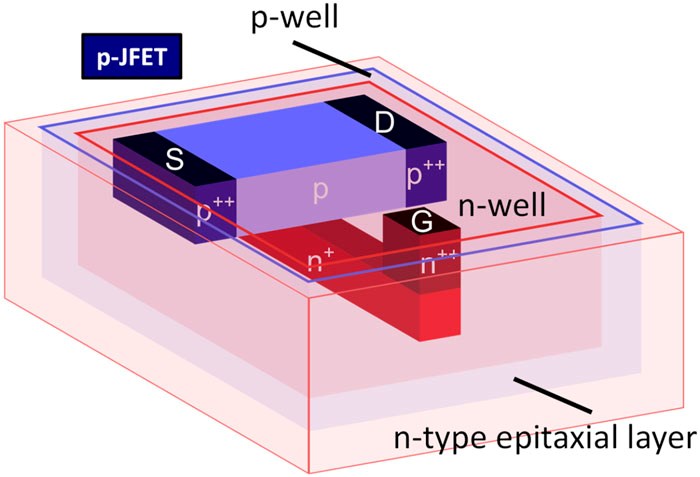
Future Outlook
The development of this extreme transistor is a significant breakthrough in the field of electronics and could have major implications for deep-space exploration. The ability to create electronic devices that can withstand extremely high temperatures could potentially lead to the development of more robust and reliable surface probes for Venus and other extreme environments. As the researchers continue to refine their design and test its limits, we can expect to see significant advancements in the field of electronics and deep-space exploration. 
Sources
This is an original synthesis by Qivorane based on reporting from the outlets below.