

Electric Raindrops Corrode Metal
Electrically charged raindrops break down protective coatings, causing corrosion on metal surfaces.
Introduction To Electrically Charged Raindrops
Electrically charged raindrops, a naturally occurring phenomenon, have been found to break down surfaces treated with protective coatings, according to new research published in Nature. This previously overlooked corrosion mechanism highlights the need for a new method of preserving metal objects like cars, ships, buildings, and cultural heritage sites. Corrosion is an economic and safety issue for outdoor metal products and structures. The research, conducted by Rüdiger Berger, Hans-Jürgen Butt, and colleagues, analyzed how electrically neutral water drops can become charged and corrode different materials.The Corrosion Mechanism
The researchers dropped water onto four common surfaces—a plant leaf, PVC foam board, polystyrene glass, and a commonly used water-repelling coating called PFOTS. The drops then slid onto Teflon-coated copper. The authors found that drops acquired a tiny electrical charge, between 0.2 and 2 nanocoulombs. Observations made after 3,000 drops fell from the surfaces onto the Teflon-coated copper found that the coating broke down, leading to corrosion of the underlying metal. When the drops had no charge, no surface damage was observed.
Experimental Methodology
The researchers used a Teflon-coated copper sample, which was made by sputtering a 35-nm-thick layer of copper onto a smooth quartz plate. Then, a 60-nm-thick Teflon film was deposited by dip-coating onto the copper substrate from a 1-wt% Teflon AF 1600 solution. The samples were annealed at 160 °C under vacuum for 24 hours. The researchers analyzed the sample surface by studying the shape of the droplets as they approached the coatings and metal plates. They believe the water and copper plate create an electric field, with the water taking on a positive charge as it moves down the surface and the metal taking on a negative charge.Real-World Implications
The breakdown of metal surfaces due to electrically charged raindrops has significant real-world implications. Corrosion is a serious economic and safety issue facing modern society, particularly for outdoor metal products and structures. The researchers' findings can improve anticorrosion strategies and emphasize the need for protective materials capable of resisting charge-induced damage from water drops.
Future Outlook
Further research is needed to investigate how to suppress corrosion under these conditions and improve materials designed to protect ships, cars, and buildings. The researchers' findings have significant implications for the development of new protective coatings and materials. As Preet Singh, a materials scientist at the Georgia Institute of Technology, notes, "The breakdown of our infrastructure is a trillion-dollar problem—doing a better job of controlling corrosion could save money and lives in the long term."Conclusion And Recommendations
In conclusion, electrically charged raindrops can cause corrosion on metal surfaces with protective coatings. The researchers' findings highlight the need for a new method of preserving metal objects and structures. To mitigate the effects of corrosion, it is essential to develop new protective materials and coatings that can resist charge-induced damage from water drops.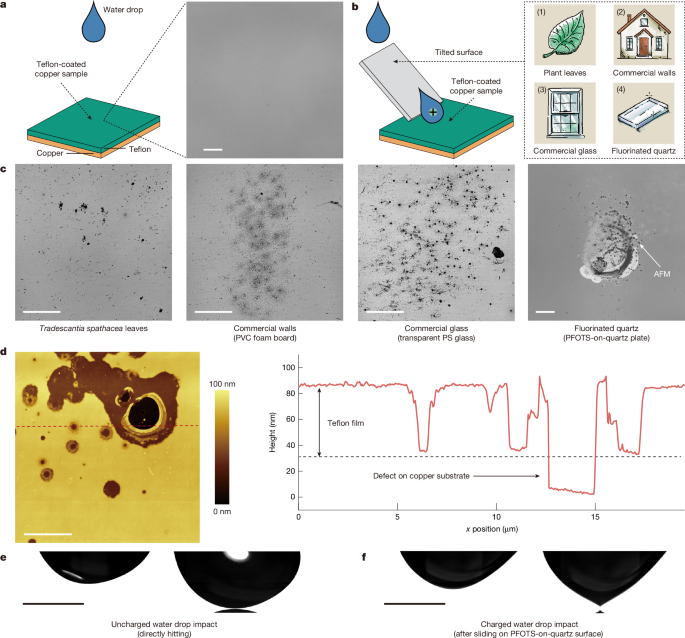
- Develop new protective materials and coatings that can resist charge-induced damage from water drops.
- Improve anticorrosion strategies to mitigate the effects of corrosion on metal surfaces.
- Conduct further research to investigate how to suppress corrosion under these conditions.
Sources
This is an original synthesis by Qivorane based on reporting from the outlets below.