
6G Networks Get Boost From Cheap Wall Tiles
Cheap wall tiles inspired by flowing streams could fix one of 6G's biggest problems, providing fast and reliable indoor coverage.
Introduction To 6G Networks And The Problem Of Millimeter Waves
The next generation of cellular network technology, 6G, promises to deliver blistering speeds of up to 1 terabit per second, which is approximately 3,000 times faster than average 5G speeds. However, one of the major obstacles to achieving this goal is the use of millimeter waves, which have wavelengths so short that they struggle to pass through solid objects like walls and furniture. This results in patchy indoor coverage, making it difficult to rely on millimeter waves for 6G networks.
The Solution: FlowForm Tiles Inspired By Flowing Streams
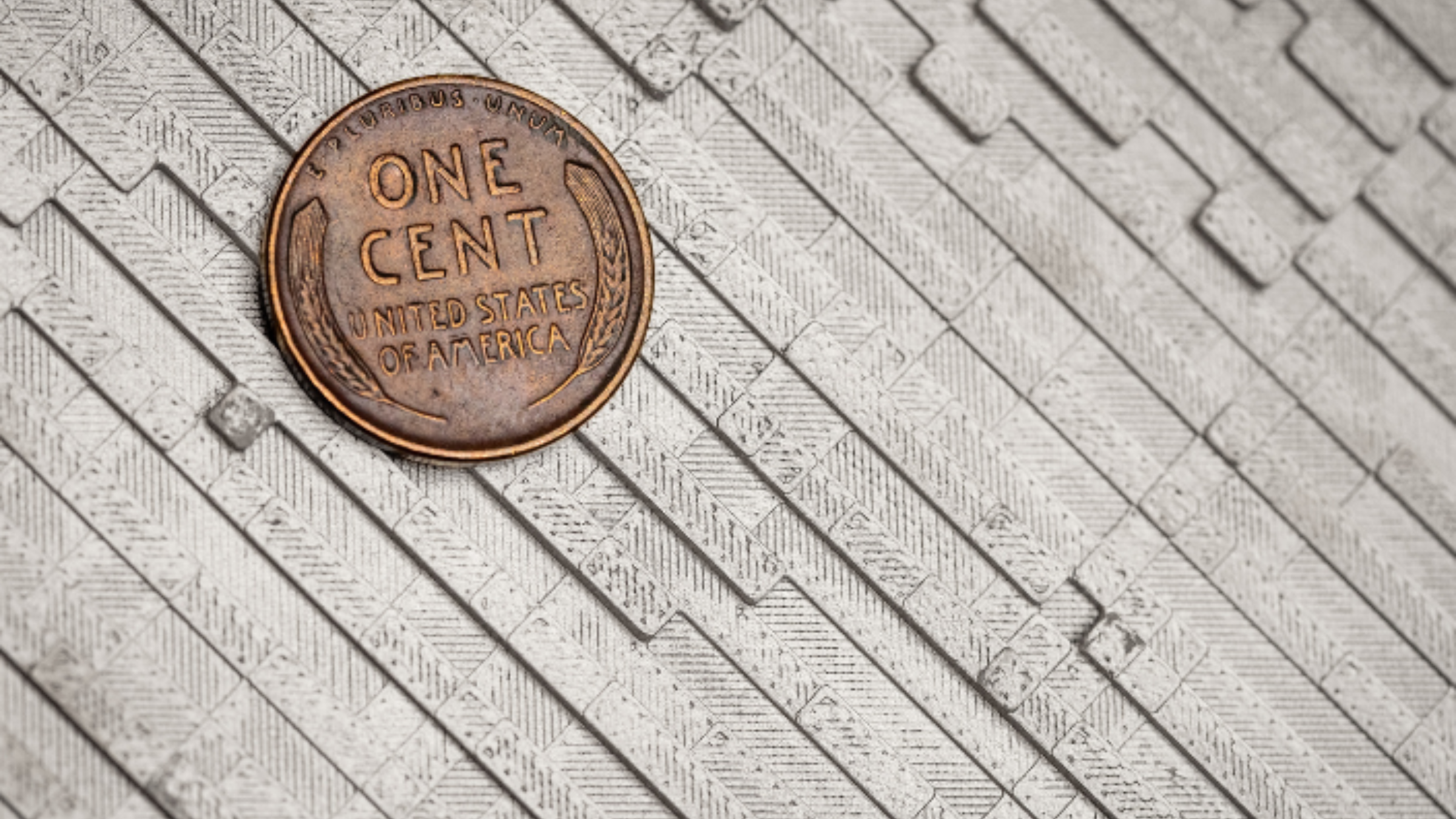
Engineers have designed a workaround to this problem in the form of thin, 3D-printed tiles that reflect millimeter-wave signals around obstacles instead of trying to punch through them. These tiles, dubbed "FlowForm," are packed with thousands of engineered features smaller than the wavelengths themselves, which passively redirect incoming signals in specific directions. The tiles are inspired by the way small streams feed into rivers, but in reverse, with some tiles relaying signals in long "major" chains across a room and around obstacles, while others "flow" outward, fanning coverage into the areas where people actually are. 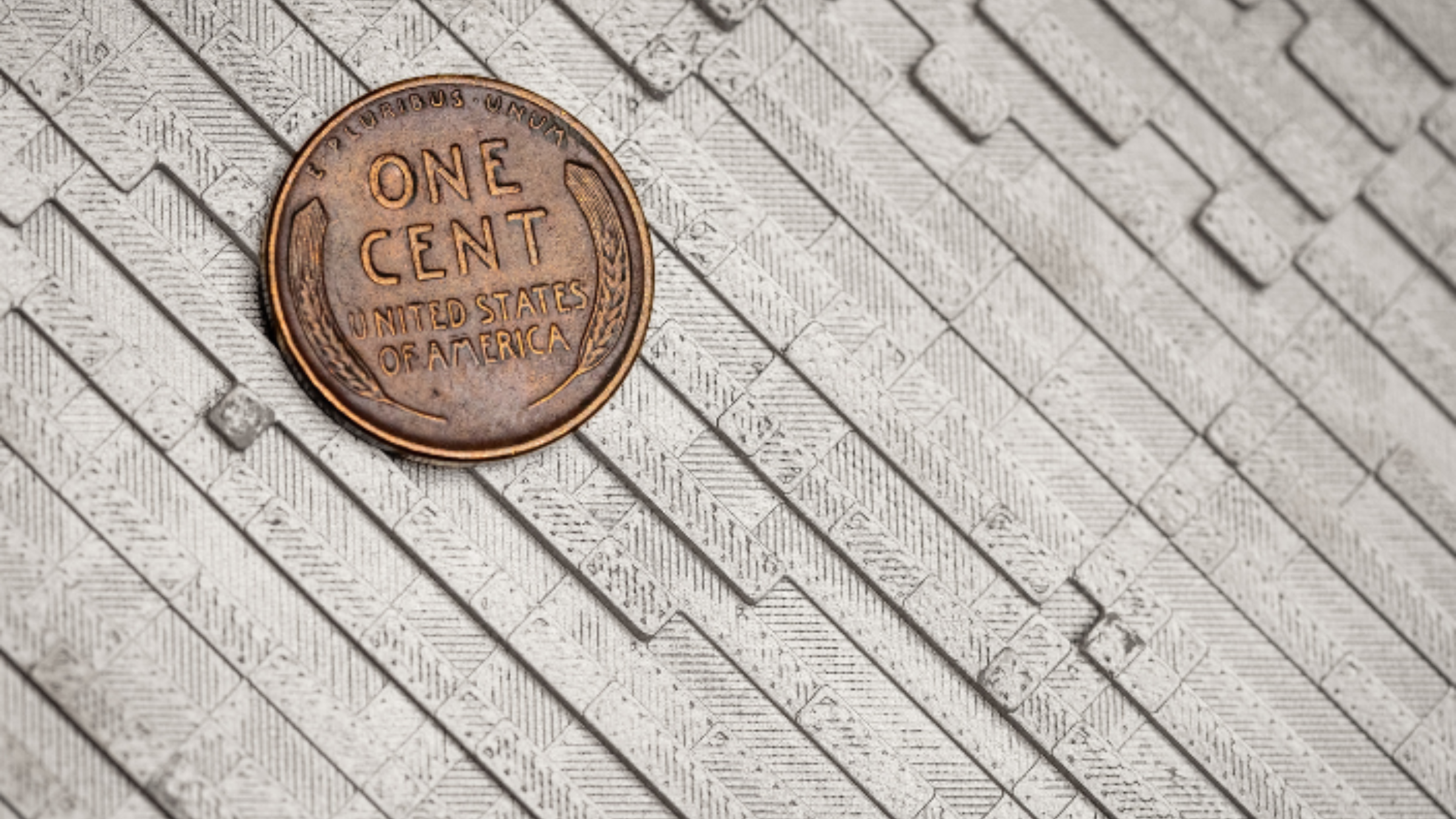
How FlowForm Tiles Work And Their Benefits
Each 6-by-6-inch (15 by 15 centimeters) tile requires no power source, no wiring, and no software updates, making them a cost-effective solution to the problem of millimeter waves. The tiles can be mounted onto surfaces and work passively to redirect incoming signals. When tested across five real indoor environments, the tiles nearly doubled average data rates and more than doubled the coverage area in tricky spaces, including cluttered offices and rooms with awkward layouts. The performance of the tiles was on a par with today's leading fix for the problem, called active reconfigurable intelligent surfaces, but at a significantly lower cost, with each tile costing around $2.
Real-World Implications And Future Outlook
The development of FlowForm tiles has significant implications for the future of 6G networks. With the ability to reflect millimeter-wave signals around obstacles, the tiles could help to overcome one of the major obstacles to achieving fast and reliable indoor coverage. The tiles could be used in a variety of settings, including homes, offices, and public spaces, to provide fast and reliable internet access. The low cost of the tiles also makes them a viable solution for widespread adoption, which could help to drive the development of 6G networks and make them more accessible to people around the world. 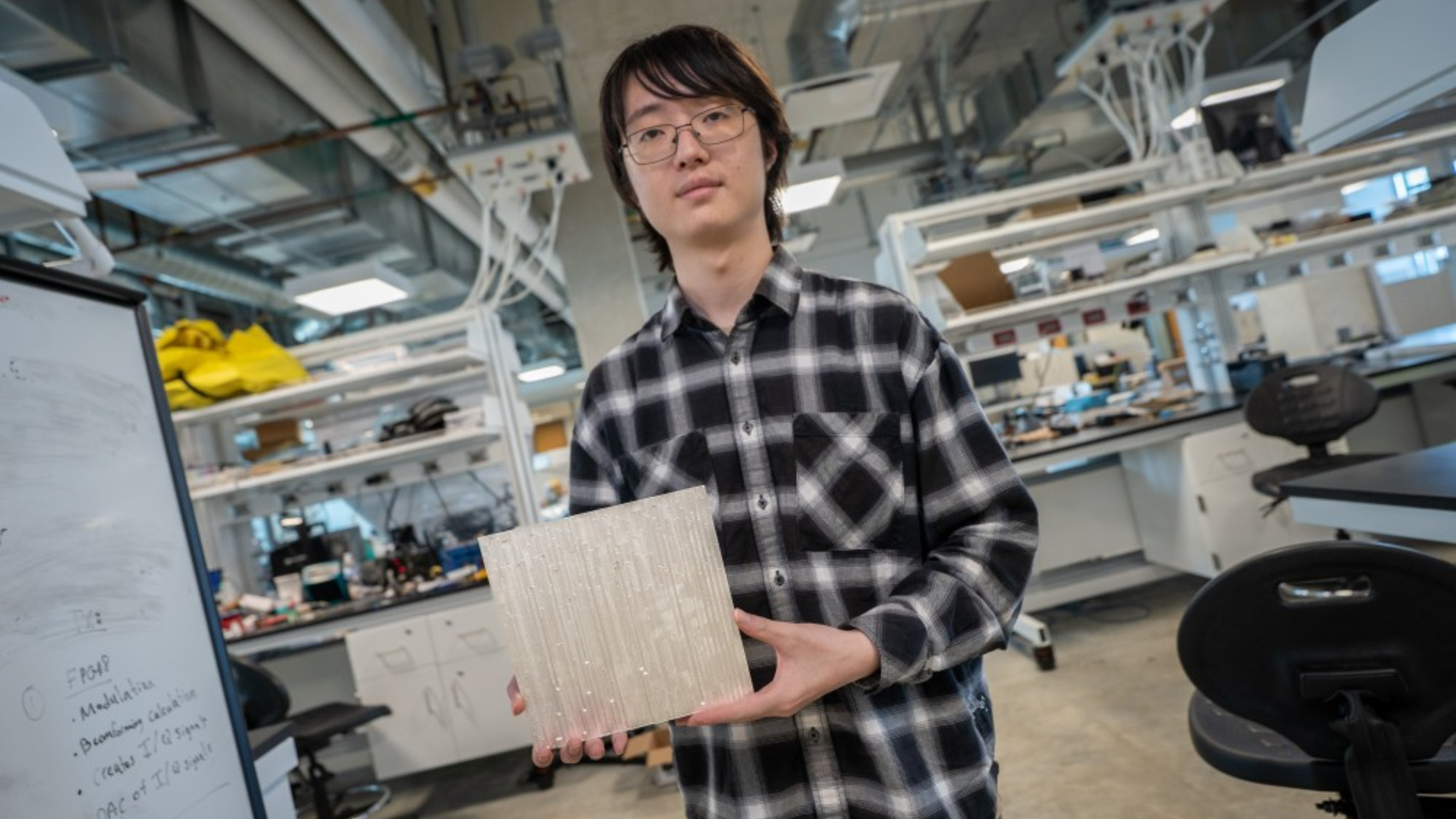
Conclusion And Future Developments
The development of FlowForm tiles is an important step forward in the development of 6G networks. The use of millimeter waves and the ability to reflect signals around obstacles could help to provide fast and reliable indoor coverage, which is essential for the widespread adoption of 6G technology. As researchers continue to develop and refine the technology, we can expect to see significant improvements in the performance and cost-effectiveness of FlowForm tiles, which could help to drive the development of 6G networks and make them more accessible to people around the world.
Sources
This is an original synthesis by Qivorane based on reporting from the outlets below.