
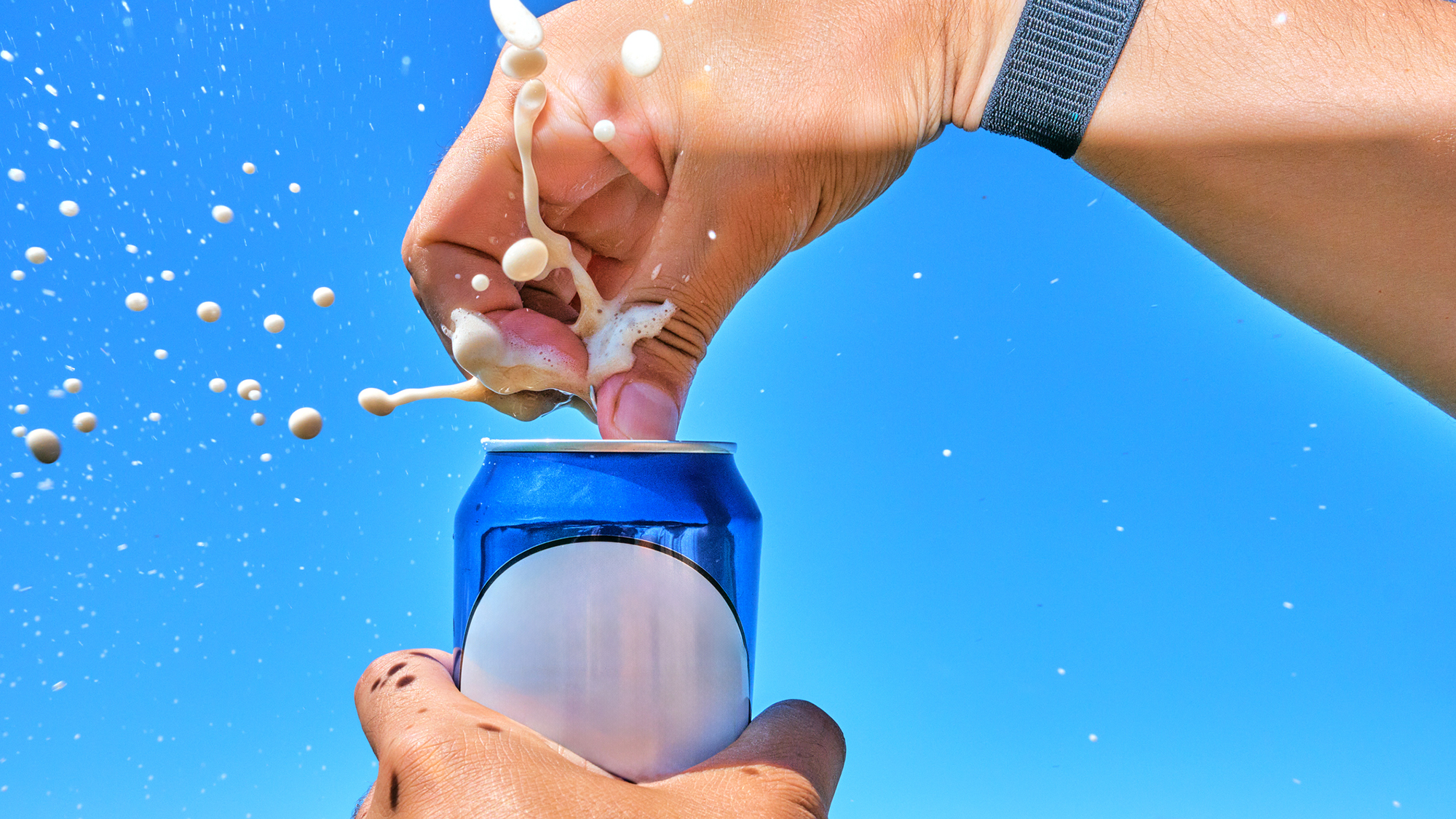
Tapping Soda Cans
Does tapping soda cans prevent explosions?
Introduction To The Science Of Fizzy Drinks
The age-old technique of tapping on a soda can to prevent it from exploding has been a topic of debate for years. People have been using this method to prevent the fizz from bursting out when opening a carbonated drink, but does it really work? To understand the science behind this technique, we need to delve into the physics of what happens inside a soda can. Carbonated drinks are made by injecting carbon dioxide into the liquid at high pressure and low temperature, creating a state of supersaturation. This unstable state can lead to the formation of bubbles, which can cause the drink to erupt when opened.The Formation Of Bubbles
The formation of bubbles in a carbonated drink is a complex process that involves the concept of supersaturation. When a liquid is supersaturated, it can hold more dissolved materials than it normally would under stable conditions. However, this state is unstable, and any disturbance, such as shaking or tapping, can cause the formation of bubbles. According to Roberto Zenit, a professor of engineering at Brown University, "Bubbles are formed as a result of what is called supersaturation of carbon dioxide." The mechanical action of tapping or shaking a can generates violent pressure waves inside the liquid, creating low-pressure zones where tiny bubbles form. These bubbles can then grow and cause the drink to erupt when opened.Does Tapping Actually Work?
The idea behind tapping on a soda can is to remove possible bubbles or dust particles within the can, which can act as nucleation sites for bubble formation. By removing these sites, the rate of bubble formation can be reduced, making it less likely for the drink to erupt when opened. However, tapping too hard or repeatedly can create more bubbles, which can have the opposite effect. In theory, gentle tapping could dislodge some bubbles clinging to the walls of the can, allowing them to float into the pocket of air above the soft drink before it's opened.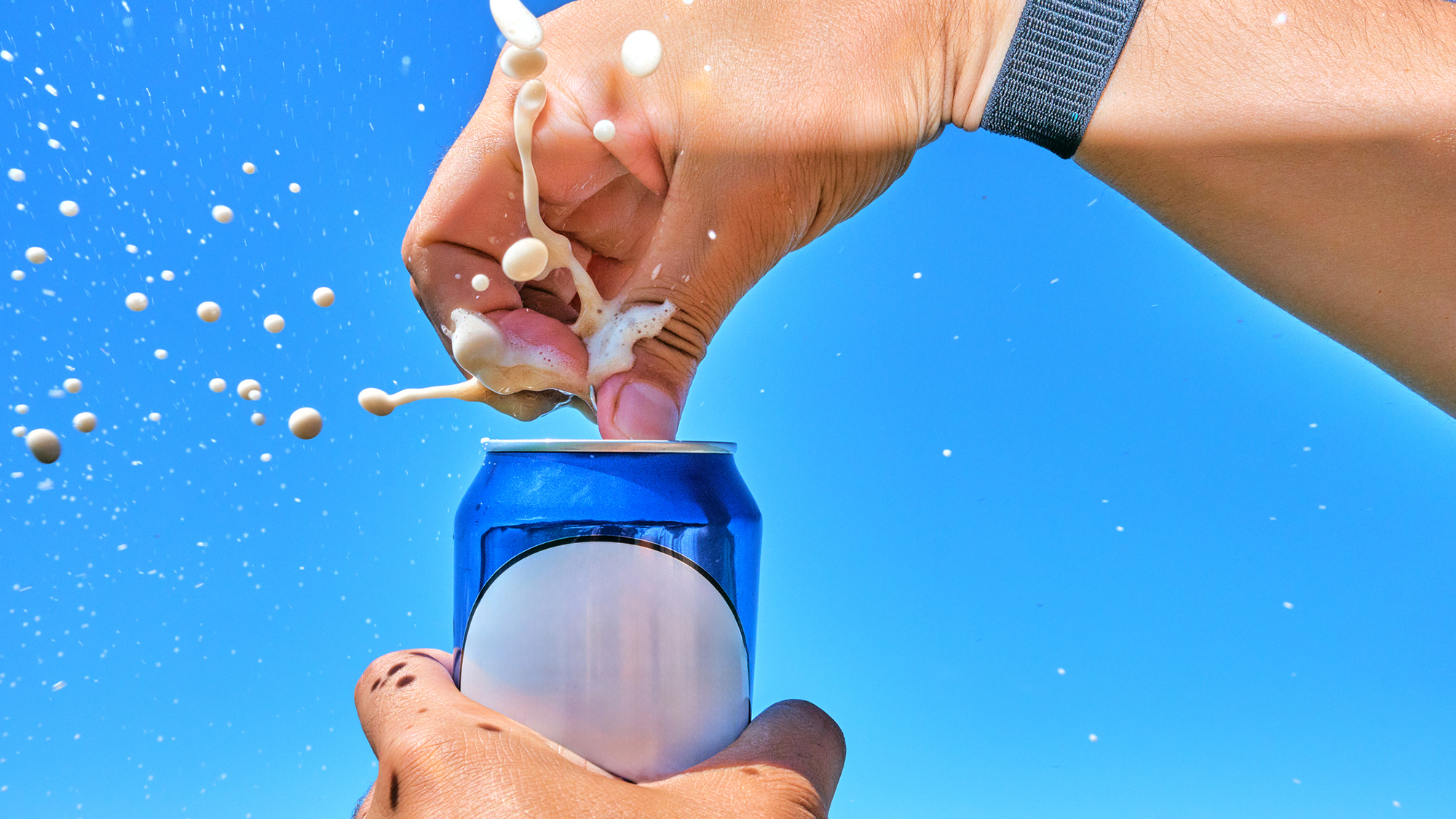
Experimental Evidence
Several experiments have been conducted to test the effectiveness of tapping on a soda can. In one preprint study from 2019, researchers tested 1,031 cans of beer by dividing them into four groups: shaken and tapped, shaken and untapped, unshaken and tapped, and unshaken and untapped. The results of the study suggested that tapping may not have a significant effect on preventing the drink from erupting. However, the study also noted that the technique may work in some cases, but the competing effects of tapping make it difficult to determine its overall effectiveness.Real-World Implications
The technique of tapping on a soda can may not be as effective as people think, but it is still widely used. In some cases, such as when opening a shaken can, tapping may help to reduce the likelihood of the drink erupting. However, in other cases, such as when opening a can that has been sitting still, tapping may not have any significant effect. It is also worth noting that the technique may work differently for different types of carbonated drinks, such as beer or soda.
Conclusion And Future Outlook
In conclusion, the technique of tapping on a soda can to prevent it from exploding is a complex phenomenon that involves the physics of bubble formation and supersaturation. While the technique may have some merit, the experimental evidence suggests that it may not be as effective as people think. Further research is needed to fully understand the effects of tapping on a soda can and to determine its overall effectiveness.
Sources
This is an original synthesis by Qivorane based on reporting from the outlets below.