
Ancient Humans Used Drugs 25,000 Years Ago
Discovery of betel nut use in ancient Indonesia reveals 25,000-year history of drug use
Introduction To Ancient Drug Use
The world's oldest evidence of habitual drug use has been discovered in Indonesia, dating back an astonishing 25,000 years. This groundbreaking finding was made possible by the analysis of strange grooves in the teeth of two prehistoric hunter-gatherers found on the island of Sulawesi. The grooves were caused by the regular sucking of betel nuts, which contain a neuroactive substance called arecoline. This discovery provides a unique insight into the lives of ancient humans and their use of plant-based substances for medicinal and recreational purposes.The Discovery Of Betel Nut Use
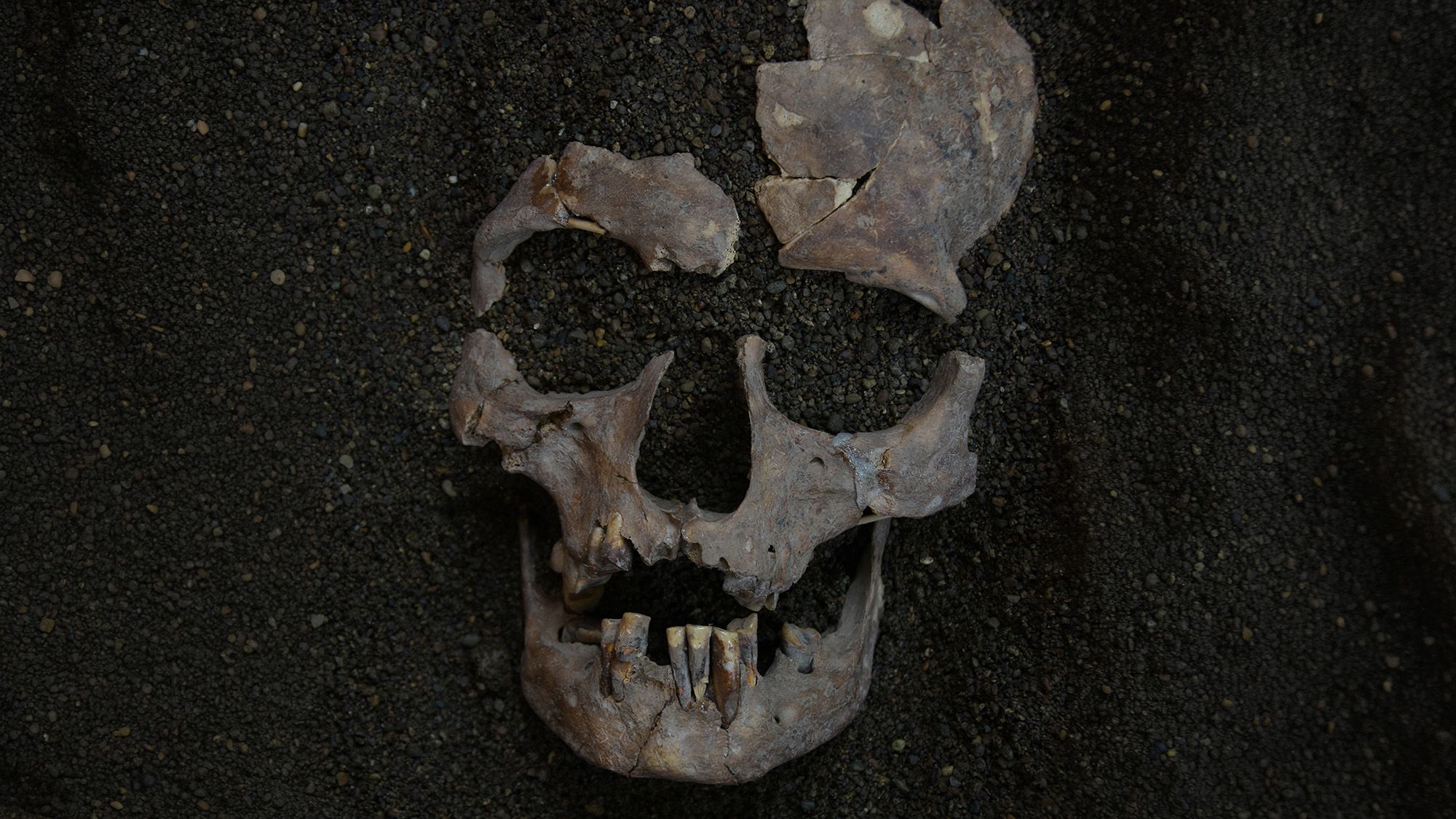
The discovery was made by a team of researchers who were excavating a cave in Maros-Pangkep on the island of Sulawesi. They found a fragment of human jaw bone with three teeth that dated back to between 16,000 and 25,000 years ago. The teeth showed extreme dental wear, with rounded grooves that were consistent with repetitively moving a hard, spherical object back and forth inside the mouth. The team then excavated another cave site on the island and found another set of teeth with the same unusual grooves, this time dating back to around 7,600 to 6,300 years ago.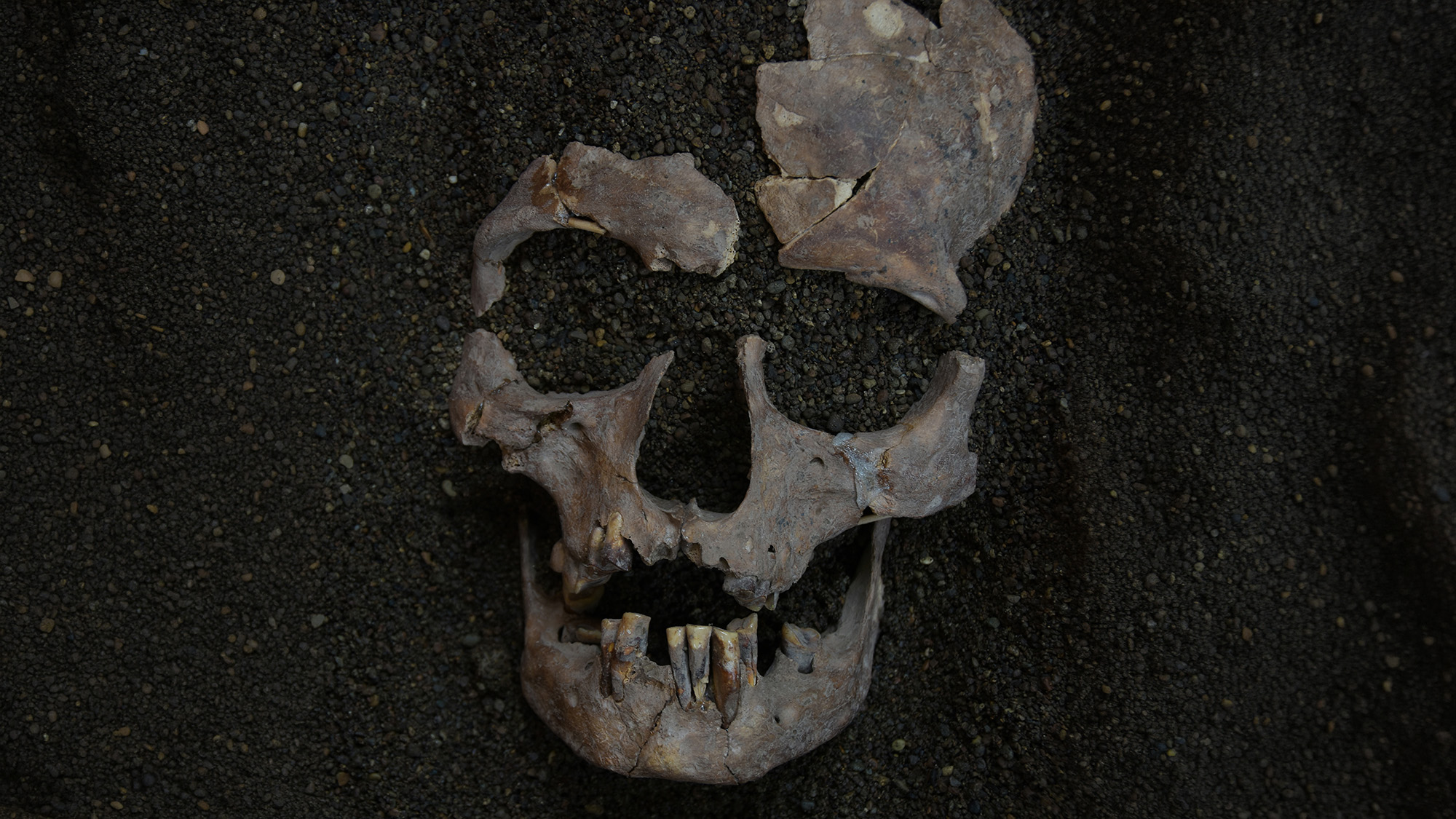
The Science Behind Betel Nut Use
Betel nuts contain a neuroactive compound called arecoline, which has a powerful stimulant effect when chewed with slaked lime. However, when sucked on whole, betel nuts would have only made the mouth numb. The researchers tested whether sucking on betel nuts resulted in a neuroactive effect by using genetically-engineered frog eggs with human neuroreceptors. They found that there was a neuroactive effect, and further analysis of the teeth revealed traces of betel nut use. The team also found that the arecoline in betel nuts has both stimulatory and pain-relieving effects, which may have led to their use by ancient humans.Real-World Implications And Future Outlook
The discovery of habitual betel nut use in ancient Indonesia has significant implications for our understanding of human history and the use of plant-based substances. It highlights the fact that humans have been using substances for medicinal and recreational purposes for thousands of years. The use of betel nuts also raises concerns about the potential health risks associated with their consumption, particularly in terms of dental health. Today, betel nut use is still widespread in many parts of the world, with an estimated 600 million people using them. However, the modern practice of mixing betel nuts with slaked lime to make a chewable wad has been linked to a range of health problems, including mouth cancer.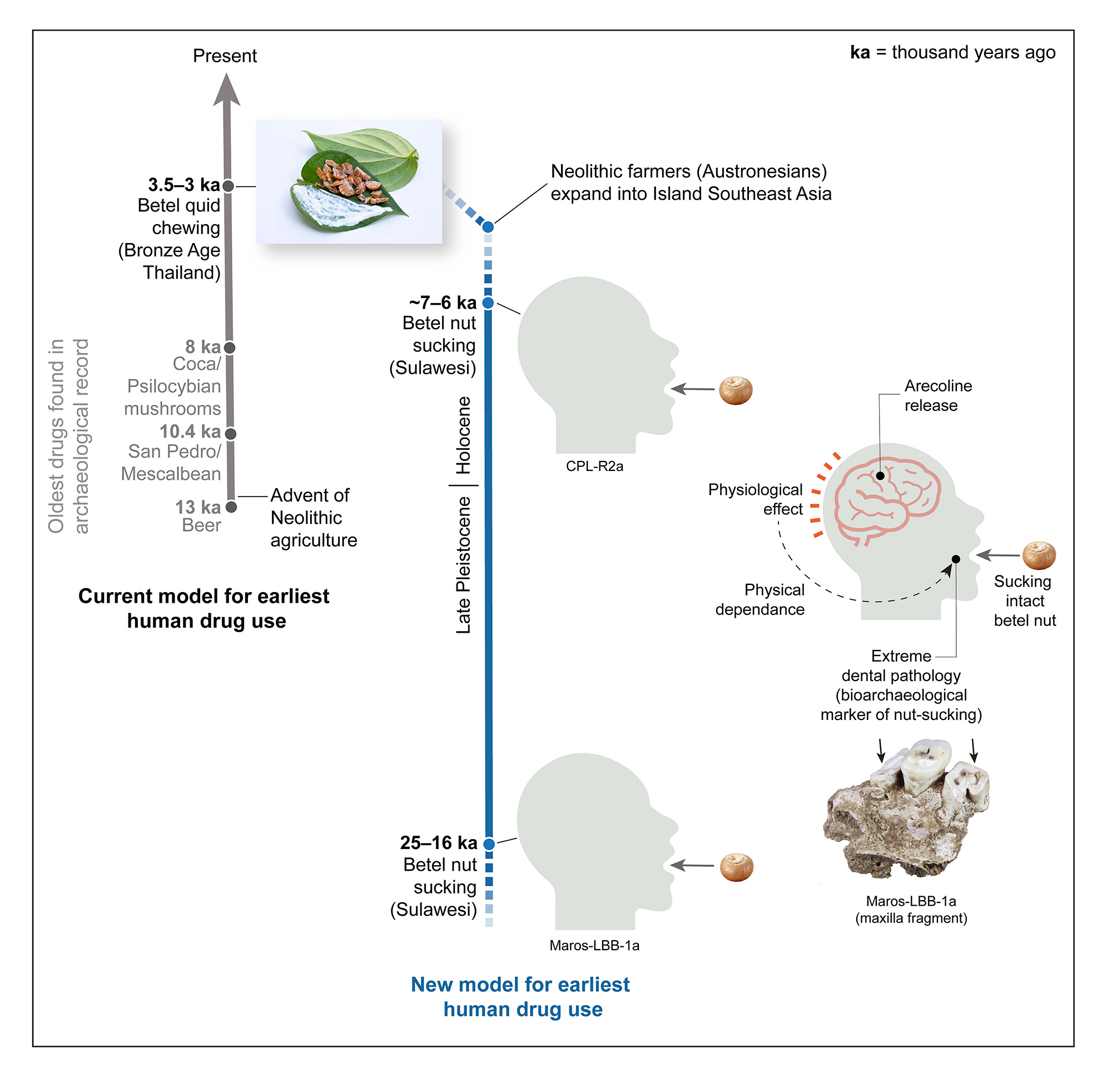
Comparison Of Coverage
Both Live Science and New Scientist have reported on the discovery of habitual betel nut use in ancient Indonesia. While both sources provide similar information about the discovery, they differ in their approach and emphasis. Live Science provides more detail about the scientific methodology used to analyze the teeth and the potential health risks associated with betel nut use. New Scientist, on the other hand, provides more context about the historical significance of the discovery and its implications for our understanding of human history.Conclusion And Future Research
In conclusion, the discovery of habitual betel nut use in ancient Indonesia is a significant finding that provides a unique insight into the lives of ancient humans. Further research is needed to fully understand the implications of this discovery and to explore the potential health risks associated with betel nut use. As we continue to learn more about the history of human substance use, we may uncover new information about the complex and often problematic relationship between humans and psychoactive substances.Sources
This is an original synthesis by Qivorane based on reporting from the outlets below.