
Denisovans Lived In China For 100,000 Years
Archaeologists discover rare fossils and tools in Chinese cave, shedding light on Denisovans' lives and behavior.
Introduction To Denisovans
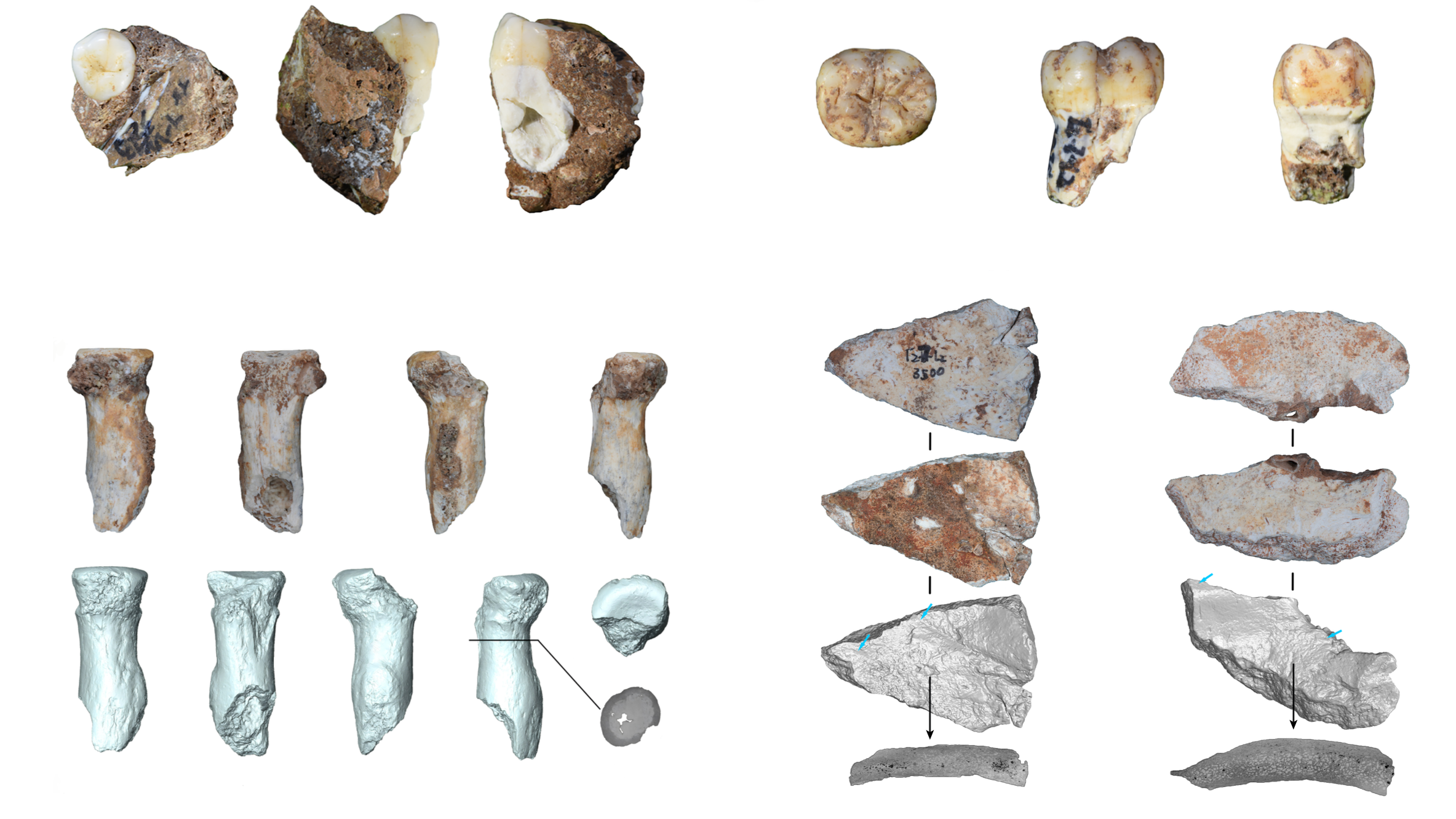
The discovery of a cave in southwestern China has shed new light on the enigmatic Denisovans, a lineage of humans that lived in Asia and went extinct around 30,000 years ago. Archaeologists excavating the Bianfu Cave found two teeth and three bone fragments from Denisovans, which dated back to between 134,000 and 167,000 years ago. This finding has provided valuable insights into the lives of Denisovans, including their technology, subsistence strategy, and physical characteristics.Uncovering The Secrets Of Bianfu Cave
The excavation of Bianfu Cave revealed a treasure trove of artifacts, including nearly 1,400 stone tools, over 64,000 mammal bones, and four teeth from an unknown human lineage. The researchers used a technique called zooarchaeology by mass spectrometry (ZooMS) to analyze the bone fragments and identified three fragments with a collagen pattern found in members of the Homo genus. Further analysis using proteomic analysis revealed that two teeth and three bones from the cave had a particular amino acid variation linking them to Denisovans.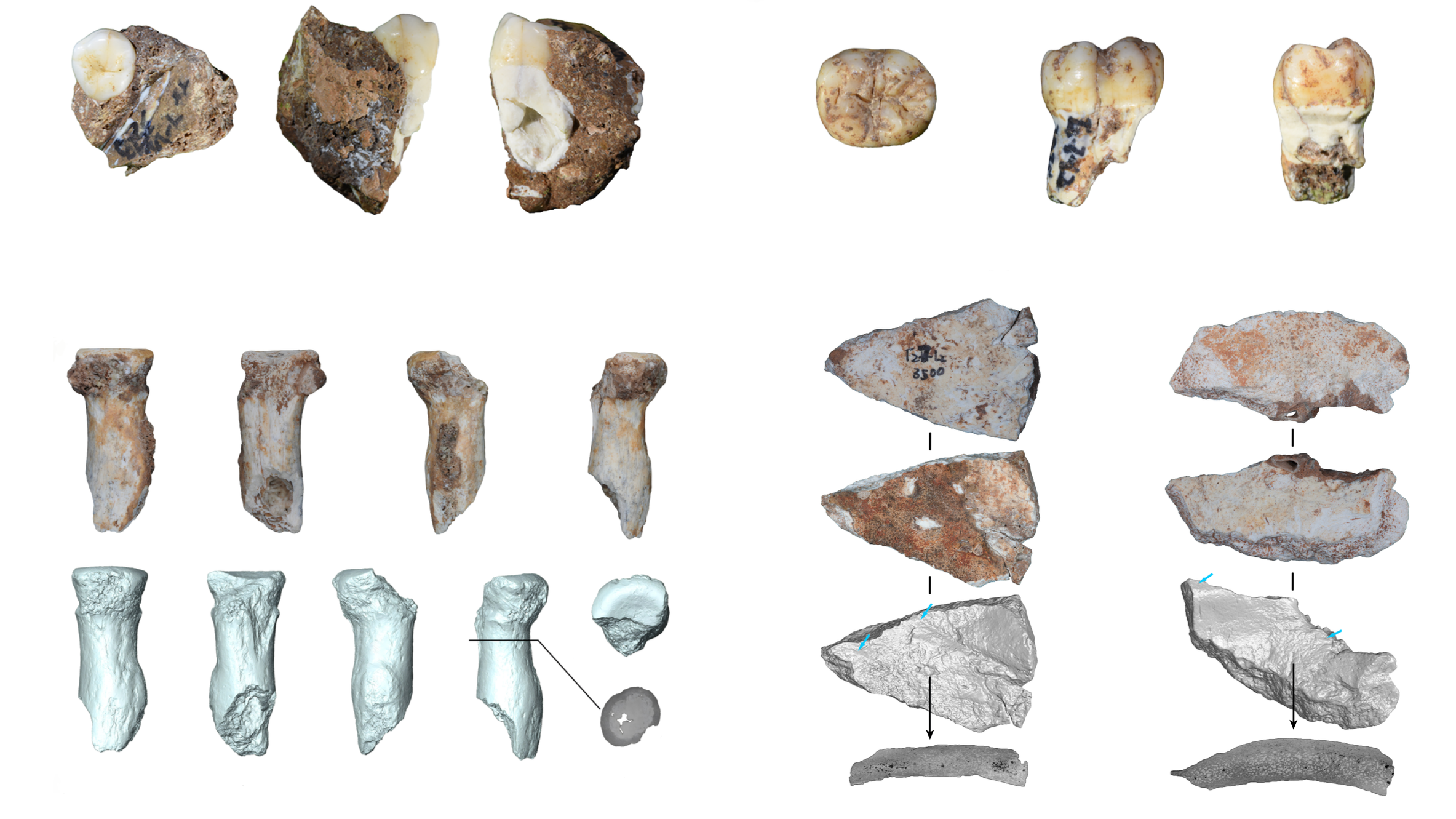
Denisovan Technology And Subsistence Strategy
The discovery of stone tools and animal bones in the cave has provided clues about the technology and subsistence strategy of Denisovans. The stone tools found in the cave were relatively simple, but they suggest that Denisovans were skilled hunters who lived in a conifer forest and hunted large animals like deer. The animal bones found in the cave, including those of deer and wild bovids, support this theory. The researchers also found evidence of butchering and processing of animal carcasses, which suggests that Denisovans had a sophisticated understanding of food processing.Physical Characteristics Of Denisovans
The analysis of the arm bone fragment found in the cave has provided new insights into the physical characteristics of Denisovans. The fragment, which is the only Denisovan radius found to date, has a large head that is more similar to those seen in Neanderthals, but its overall shape is more similar to modern-human radii. This suggests that Denisovans may have had a more modern human-like body shape than previously thought. The discovery of teeth and skull fragments in the cave has also provided clues about the physical characteristics of Denisovans.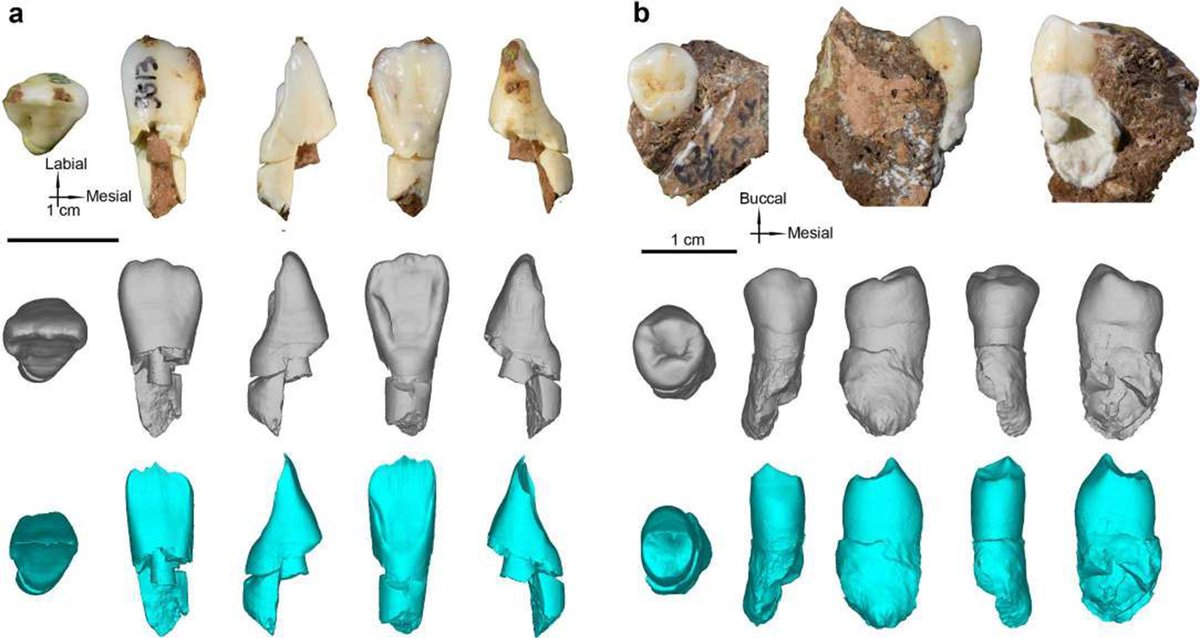
Conclusion And Future Research
The discovery of the Bianfu Cave and the analysis of the artifacts found in it have significantly advanced our understanding of Denisovans. The findings have provided new insights into the technology, subsistence strategy, and physical characteristics of Denisovans, and have shed light on their lives and behavior. However, more research is needed to fully understand the history and biology of Denisovans. Further analysis of the artifacts found in the cave and the discovery of new sites will be crucial in uncovering the secrets of this enigmatic human lineage.Implications And Future Outlook
The discovery of the Bianfu Cave has significant implications for our understanding of human evolution and history. The findings suggest that Denisovans were a sophisticated and resourceful human lineage that lived in Asia for tens of thousands of years. The discovery of the cave and the analysis of the artifacts found in it have also highlighted the importance of interdisciplinary research in understanding human evolution. The combination of archaeology, anthropology, and genetics has provided a comprehensive understanding of Denisovans and their place in human history.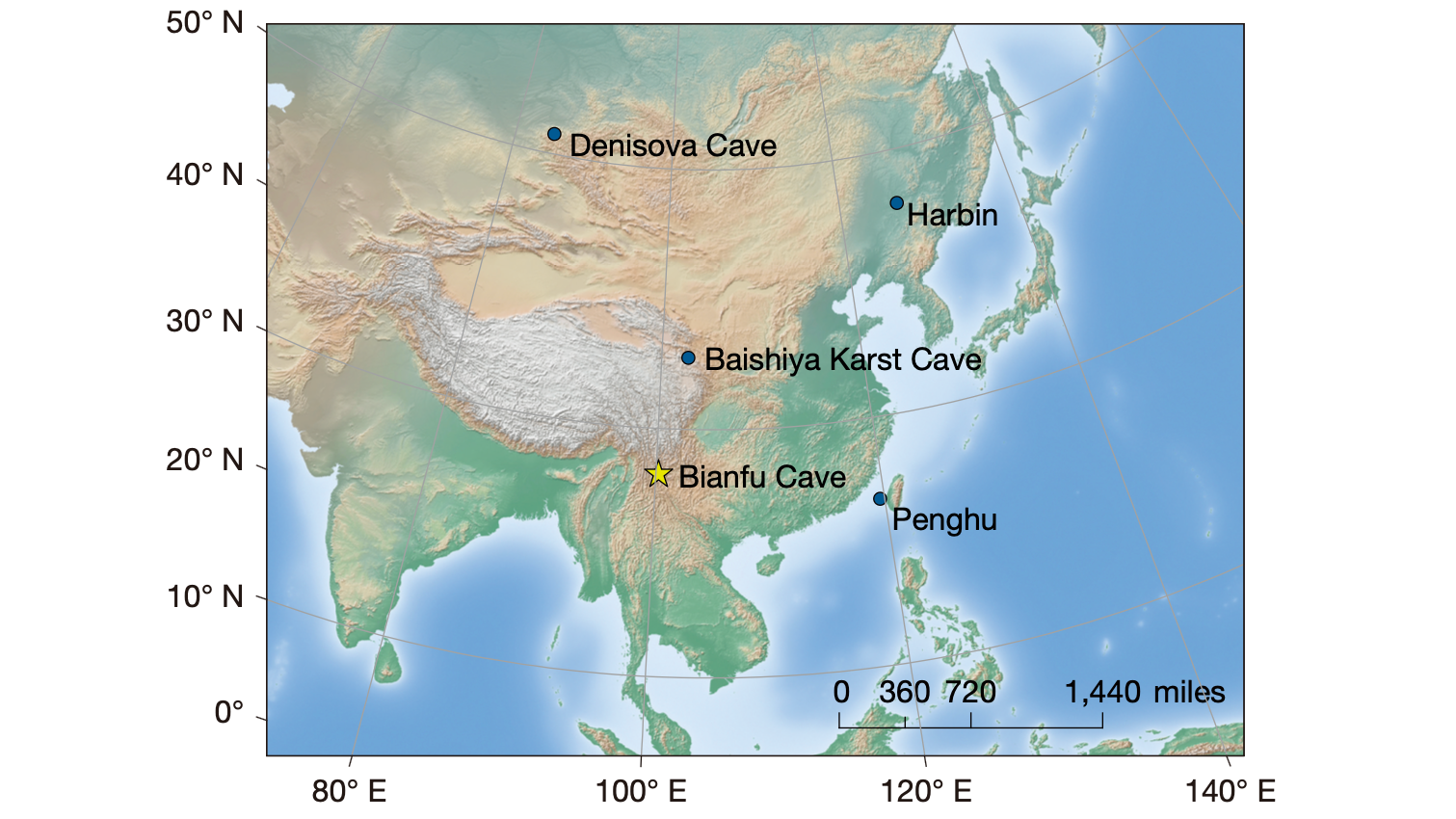
Sources
This is an original synthesis by Qivorane based on reporting from the outlets below.
- [1] Live Science: Enigmatic Denisovans lived by cave in what is now China for 100,000 years, rare fossils and handcrafted tools reveal
- [2] New Scientist: Denisovan tools from cave in China shows how mysterious humans lived
- [3] Scientific American: Scientists unlock new clues to what Denisovans, a mysterious ancient human ancestor, looked like
Additional coverage: