
500-Year-Old Brass Bust
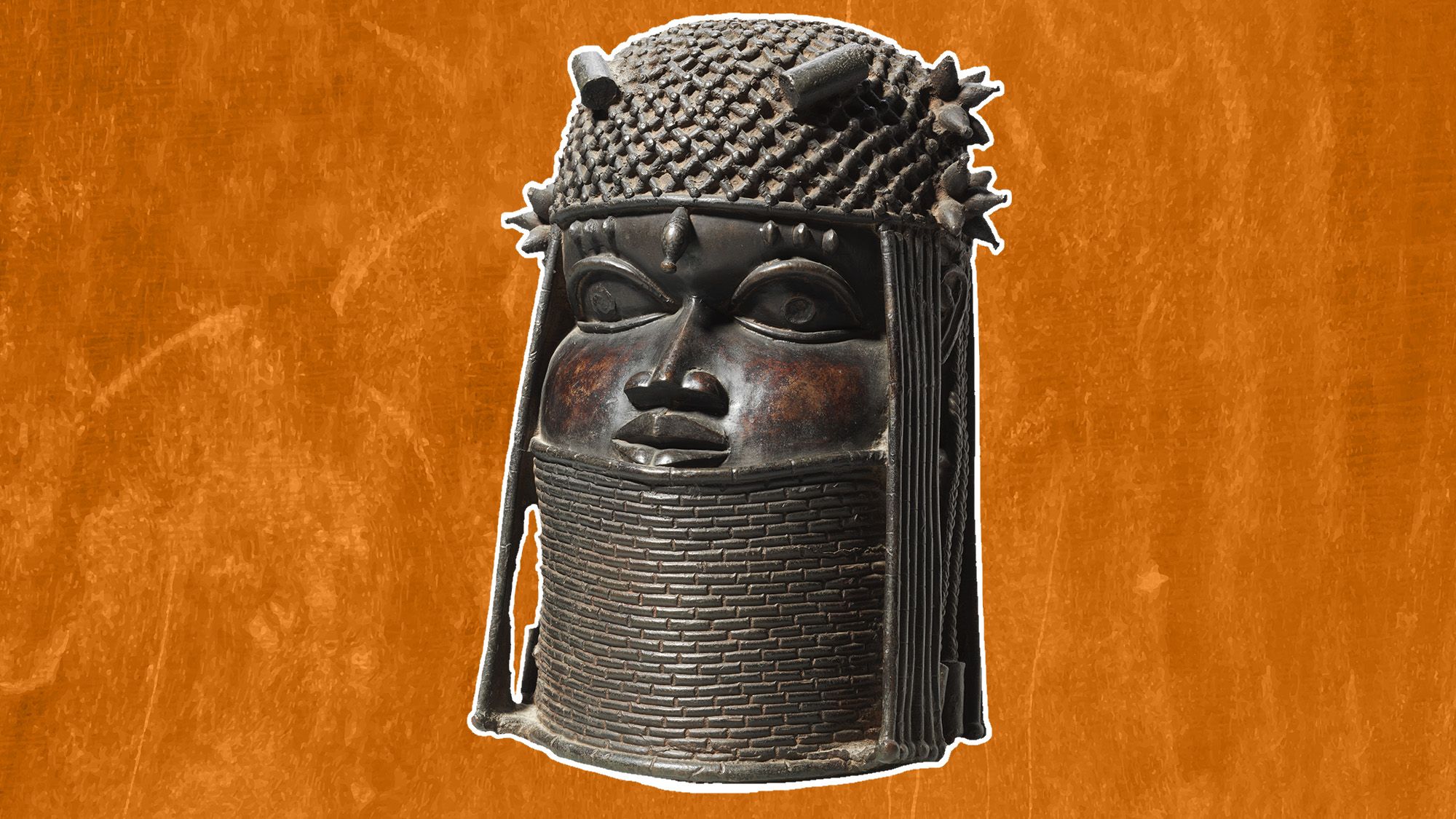
A 500-year-old brass bust depicting an African king, looted by British forces in 1897, sparks controversy over ownership.
Introduction To Ancestral Commemorative Heads
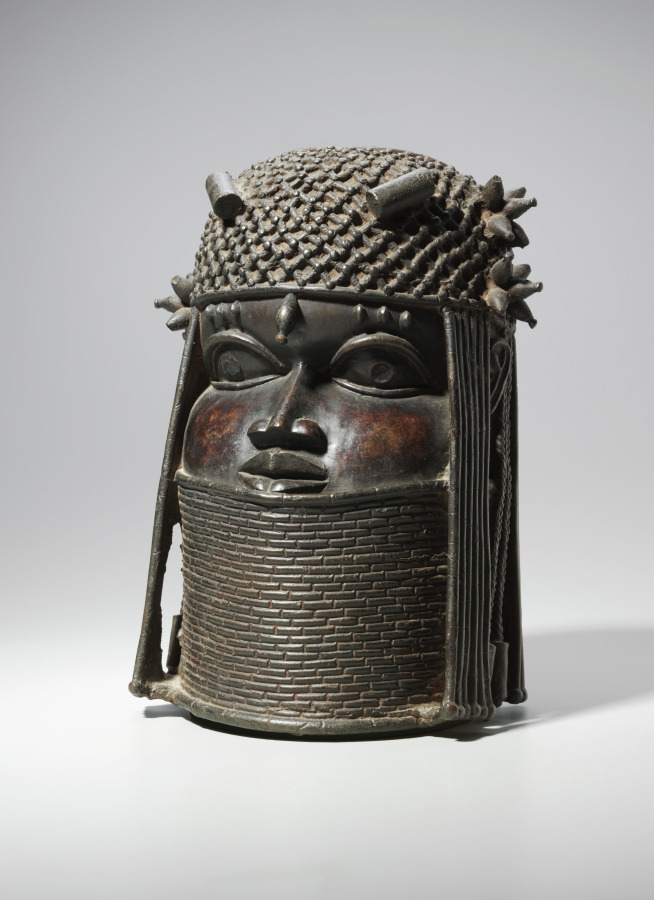
The Kingdom of Benin, one of the oldest monarchies in West Africa, has a rich history of creating beautiful and intricate brass sculptures. One such example is the ancestral commemorative head, a 500-year-old brass bust depicting an African king. This stunning piece of art is a testament to the skill and craftsmanship of the Igun Eronmwon, a hereditary guild of brass and bronze artisans who made objects for royalty in the Kingdom of Benin.
Background And History
In the Kingdom of Benin, a traditional ruler known as an oba would commission a brass or bronze bust of their predecessor upon taking the throne. The bust of the past oba would then be set on an ancestral altar in the palace. These busts were made using a lost-wax casting process, which would produce one unique piece. The ancestral commemorative head in question is roughly 1 foot tall and was made from a copper alloy. It features layers of coral necklaces around the oba's neck and thin braids hanging from the individual's temples, which were initially thought to represent a princess. However, these adornments are actually potent representations of a ruler's power.
The Significance Of Brass In Benin Royalty
Benin royalty prized brass because it does not corrode. Much of the African brass was imported from as far away as Germany. The use of brass in these sculptures is a testament to the wealth and power of the Kingdom of Benin. The Igun Eronmwon, the guild of artisans responsible for creating these pieces, were skilled craftsmen who were able to create intricate and beautiful works of art using this valuable material.
The Controversy Surrounding The Benin Bronzes
In 1897, British forces invaded the Benin royal palace and looted thousands of metal plaques, sculptures of humans and animal figures, and royal and personal ornaments that have come to be known as the Benin Bronzes. The British Museum holds the world's largest collection of Benin brass artifacts, with over 900 objects. However, Nigeria has formally requested that these artifacts be returned, and some institutions have begun repatriating this historic royal art back to its homeland. The controversy surrounding the ownership of these artifacts is ongoing, with some arguing that they should be returned to their country of origin, while others believe that they are an important part of Western cultural heritage.
Repatriation Efforts
In recent years, there have been efforts to repatriate the Benin Bronzes to Nigeria. In 2022, a group of German museums transferred ownership of over 1,100 Benin Bronzes to Nigeria. The Smithsonian's National Museum of African Art also transferred ownership of 29 Benin Bronzes to Nigeria in 2022. In 2025, the Netherlands returned 119 Benin Bronzes to Nigeria. However, the British Museum has not officially returned any of the Benin Bronzes in its collection. The Museum of Fine Arts, Boston returned two Benin Bronzes to Oba Ewuare II, the great-great-grandson of the last oba before the 1897 British invasion, in 2025.
Conclusion And Future Outlook
The ancestral commemorative head is a stunning example of the art and craftsmanship of the Kingdom of Benin. The controversy surrounding the Benin Bronzes is a complex issue, with arguments on both sides. However, as more institutions begin to repatriate these artifacts, it is likely that we will see a shift in the way that Western museums approach the ownership and display of cultural artifacts from other countries. As we move forward, it is essential that we prioritize the cultural heritage and rights of the communities from which these artifacts originated.
Sources
This is an original synthesis by Qivorane based on reporting from the outlets below.