
American Cheetah Not Like African Cheetah
New research reveals American cheetah's true nature and diet
Introduction to the American Cheetah
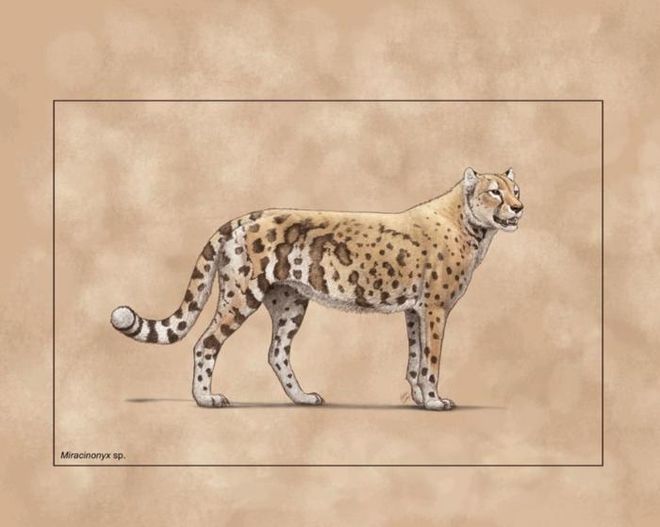
The "American cheetah," also known as Miracinonyx trumani, has been a subject of interest for paleontologists due to its unique characteristics and presumed lifestyle. However, recent discoveries have revealed that this ancient predator was not as similar to the African cheetah as previously thought. In fact, DNA analysis has shown that the American cheetah's closest relative is the puma, with the two species sharing a common ancestry around 2.6 million years ago.
Physical Characteristics and Diet
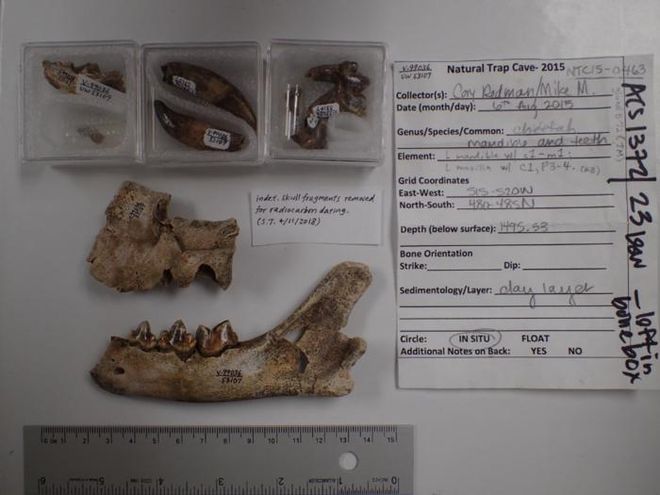
An adult M. trumani was approximately 8 feet long, stood about 3 feet tall, and weighed around 150 pounds. Its physical characteristics, such as long limbs and a narrow frame, initially led researchers to believe that it was a high-speed hunter, similar to the African cheetah. However, further analysis of fossils from the Yukon territory in Canada has revealed that these cats had a diet consisting almost entirely of fish. This is in contrast to the Wyoming fossils, which showed a diet of mainly herbivores. The discovery of fish-eating American cheetahs in the Yukon has significant implications for our understanding of the species' lifestyle and adaptability.
Genetic Analysis and Circadian Rhythm
The genetic analysis of M. trumani has provided valuable insights into the species' evolutionary history and behavior. The discovery of two nonfunctional genes tied to circadian rhythm suggests that the American cheetah was able to adapt to the extreme daylight and darkness conditions in the Arctic region. This adaptation may have also allowed the species to be active at night, which would have been beneficial for hunting and survival in the harsh Arctic environment.
Comparison with Other Big Cats
A comparison of M. trumani DNA with that of nine other feline species has revealed that the American cheetah is most closely related to the puma. The two species share a common ancestor that lived around 2.6 million years ago, whereas the closest shared relative between M. trumani and cheetahs is approximately 4.7 million years ago. This significant difference in evolutionary history highlights the unique characteristics and adaptations of the American cheetah.
Implications and Future Research
The discovery of the American cheetah's true nature has significant implications for our understanding of the species' lifestyle, behavior, and evolutionary history. Further research is needed to fully understand the adaptations and characteristics of M. trumani, as well as its role in the ancient ecosystem. The study of this species can provide valuable insights into the evolution of big cats and the impact of climate change on species adaptation and survival.
Sources
This is an original synthesis by Qivorane based on reporting from the outlets below.