
Microchimerism Explained
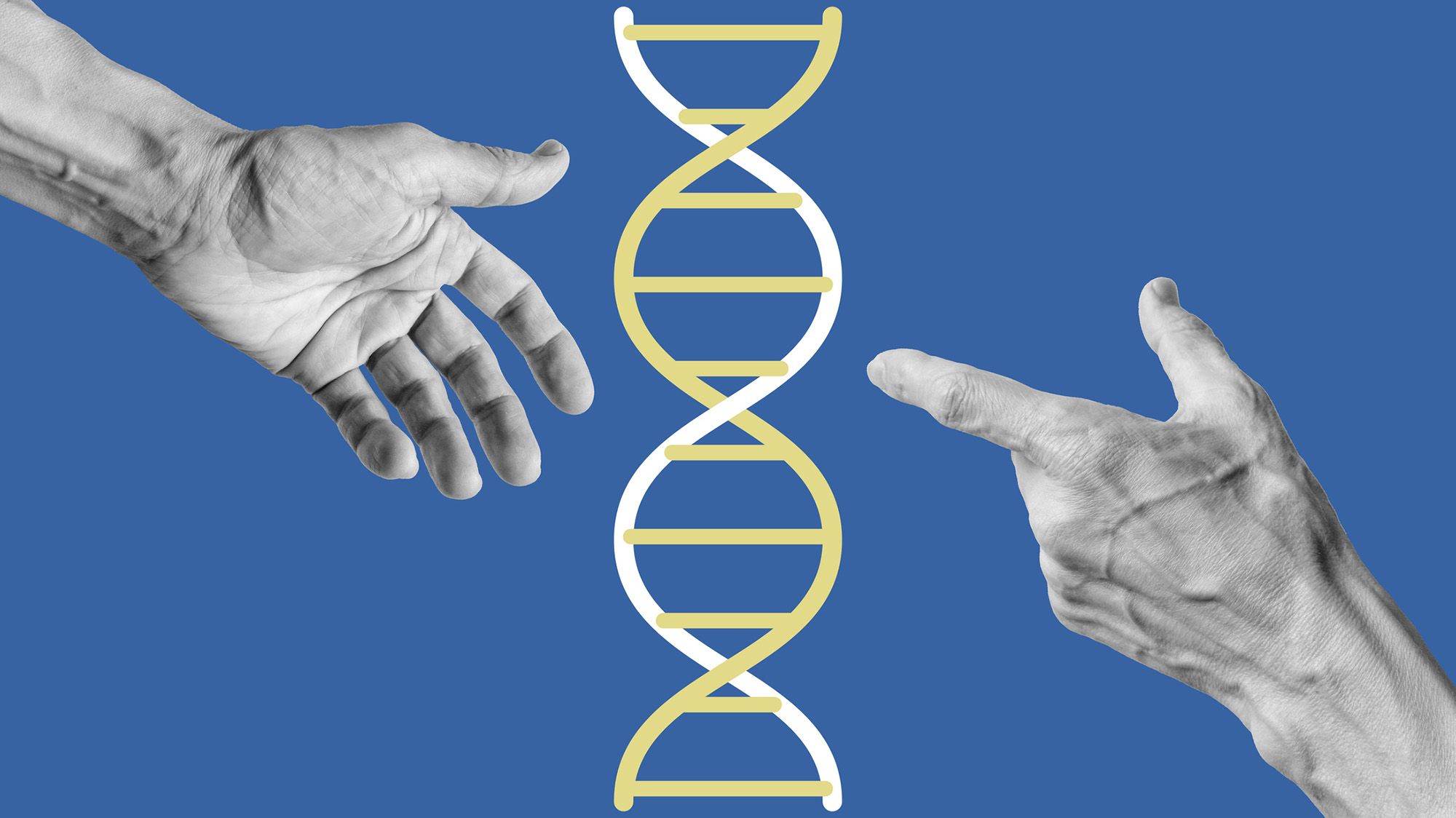
Microchimerism is a phenomenon where cells from one individual live in another, genetically distinct individual, challenging our understanding of human identity
Introduction To Microchimerism
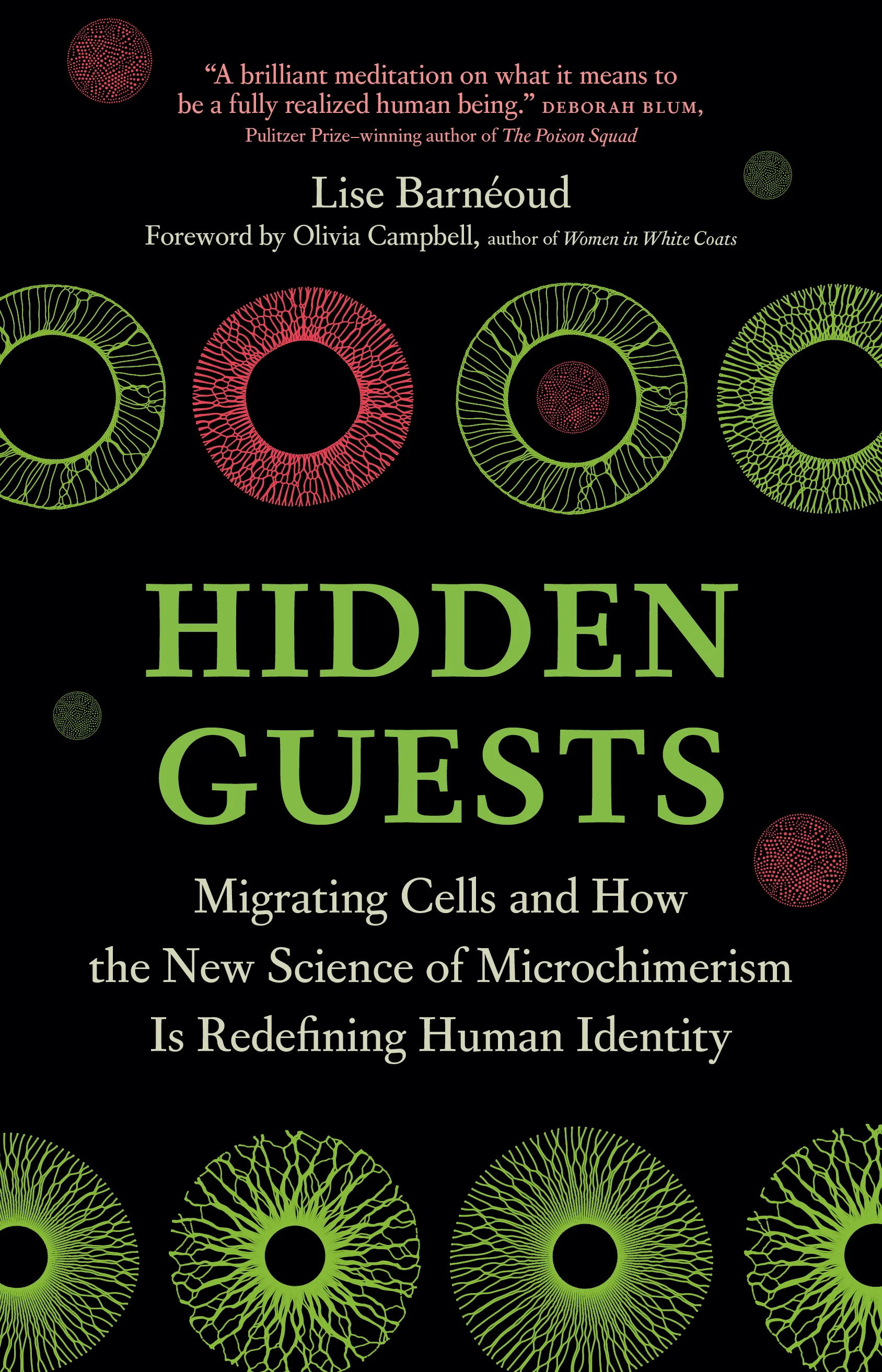
Microchimerism, a phenomenon where cells from one individual live in another genetically distinct individual, has been a topic of interest for over a century. German pathologist Georg Schmorl first documented this phenomenon when he discovered cells from fetuses in their mothers during pregnancy. Since then, scientists' understanding of microchimerism has grown significantly, thanks to technological advances. Author and journalist Lise Barnéoud explores this concept in her book "Hidden Guests: Migrating Cells and How the New Science of Microchimerism Is Redefining Human Identity".
Understanding Microchimerism
Microchimerism challenges the traditional understanding of human identity and immunity. It shows that the immune system is not just an army expelling foreign elements, but a complex system that can tolerate and even benefit from the presence of foreign cells. For example, during pregnancy, cells from the fetus can migrate into the mother's body and vice versa. This can lead to the mother having cells from her child, or even her grandchild, living inside her. Additionally, microchimerism can occur through other means, such as bone marrow transplants, where the donor's cells can integrate into the recipient's body.
Implications Of Microchimerism
The implications of microchimerism are far-reaching and have significant effects on our understanding of immunology, genetics, and evolution. For instance, microchimerism can help explain why some people are more prone to certain diseases, such as autoimmune disorders. It can also provide insights into the development of cancer and the role of the immune system in fighting it. Furthermore, microchimerism raises questions about human identity and what it means to be an individual. If we have cells from other people living inside us, do we become a mix of different individuals?
Research And Development
Despite the significant progress made in understanding microchimerism, there have been hindrances to the development of the field. One of the biggest challenges has been the lack of technology to detect and study these foreign cells. However, with advances in genetic sequencing and other technologies, scientists are now able to study microchimerism in greater detail. Lise Barnéoud's book "Hidden Guests" explores the history of microchimerism research and the scientists who have contributed to our understanding of this phenomenon.

Future Outlook
The study of microchimerism is an active area of research, and scientists are continuing to explore its implications for human health and identity. As our understanding of microchimerism grows, we may uncover new ways to prevent and treat diseases. We may also gain a deeper understanding of what it means to be human and how our bodies interact with the world around us. With the help of books like "Hidden Guests", the concept of microchimerism is becoming more accessible to a wider audience, and its significance is being recognized beyond the scientific community.
Conclusion And Further Reading
In conclusion, microchimerism is a fascinating phenomenon that challenges our traditional understanding of human identity and immunity. Through the work of scientists and authors like Lise Barnéoud, we are gaining a deeper understanding of this complex phenomenon and its implications for human health and identity. For those interested in learning more about microchimerism, "Hidden Guests" is a great resource that provides an in-depth exploration of the topic.
Sources
This is an original synthesis by Qivorane based on reporting from the outlets below.