
Immune Cell Metabolism Revealed
Advanced optical imaging reveals hidden activity in blood immune cells
Introduction To Immune Cell Research
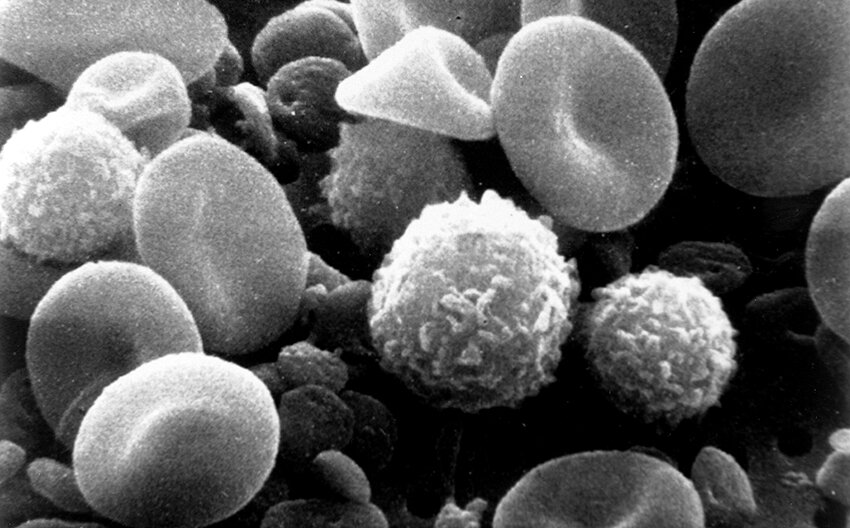
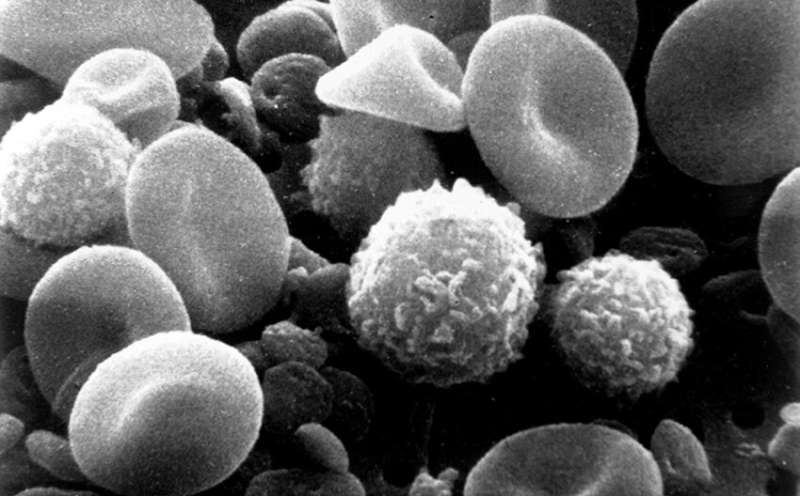
Immune cells in our blood hold crucial information about our health and disease. These cells, known as peripheral blood mononuclear cells (PBMCs), are used to study various conditions, including infections, autoimmune disorders, and cancer. Typically, scientists identify these cells using fluorescent labels that attach to specific surface markers. However, this method has limitations, as it provides limited information about the cells' functioning and can alter them during preparation.
Advanced Optical Imaging Technique
A recent study has demonstrated the use of advanced optical imaging to reveal the metabolic activity of individual immune cells within a complex blood sample. This technique, known as optical metabolic imaging (OMI), measures metabolism in individual immune cells without isolating specific cell populations or adding fluorescent labels and chemical probes. OMI relies on the natural fluorescence of molecules involved in cellular energy production and uses two-photon microscopy to excite naturally occurring metabolic cofactors inside cells.
Label-Free View Of Metabolism
The OMI technique provides a label-free view of metabolism, allowing researchers to measure the metabolic activity of individual immune cells while they remain part of a heterogeneous PBMC sample. This approach uses endogenous signals, keeping the cells intact and available for additional analyses or therapeutic use. The study applied OMI to PBMC samples isolated from the blood of three healthy donors and analyzed thousands of individual cells in both resting and activated states.
Metabolic Signatures And Cell Identification
The researchers used machine-learning algorithms to determine whether metabolic measurements alone could identify different immune-cell populations and detect immune activation. The results showed that metabolism provides a powerful indicator of immune-cell identity and function. The team distinguished activated from resting PBMCs with nearly 94% accuracy only two hours after stimulation. They also identified monocytes, key cells of the innate immune system, with 96% accuracy in resting samples and 88% accuracy in activated samples.
Implications And Future Outlook
Understanding the metabolic activity of individual immune cells can provide new insights into disease progression and treatment response. This knowledge can be particularly useful in conditions such as blood cancers, sepsis, lupus, and cognitive decline, where PBMCs are routinely studied. The use of OMI can also improve the development of cell therapies, such as CAR T-cell treatments, which engineer a patient's own immune cells to attack cancer. As the field of immune cell research continues to evolve, the application of advanced optical imaging techniques like OMI is likely to play a significant role in uncovering the secrets of the immune system.
Sources
This is an original synthesis by Qivorane based on reporting from the outlets below.