
GLP-1 Medication Slows Aging
GLP-1 weight-loss medication slows aging and extends lifespan in mice, with potential implications for human health.
Introduction To GLP-1 Weight-Loss Medication
The GLP-1 weight-loss medication, commonly known as semaglutide and sold under the brand names Wegovy and Ozempic, has been found to have a profound impact on aging and lifespan in mice. According to a new study published in Nature, giving old mice semaglutide extends their lifespan remarkably, with a median increase of about 12 percent. This breakthrough has significant implications for the treatment of various conditions, including obesity, type 2 diabetes, and potentially even aging itself.The Science Behind GLP-1
GLP-1, or glucagon-like peptide-1, is a hormone that plays a crucial role in regulating blood sugar levels and appetite. Semaglutide, a GLP-1 receptor activator, has been shown to mimic the effects of this hormone, leading to improved physiological function, slowed progression of aging hallmarks, and extended lifespan in female mice. The exact mechanism behind this effect is still not fully understood, but research suggests that it may be related to the drug's ability to reduce calorie intake, suppress appetite, and quiet down inflammation and fat processing.Research Methodology And Findings
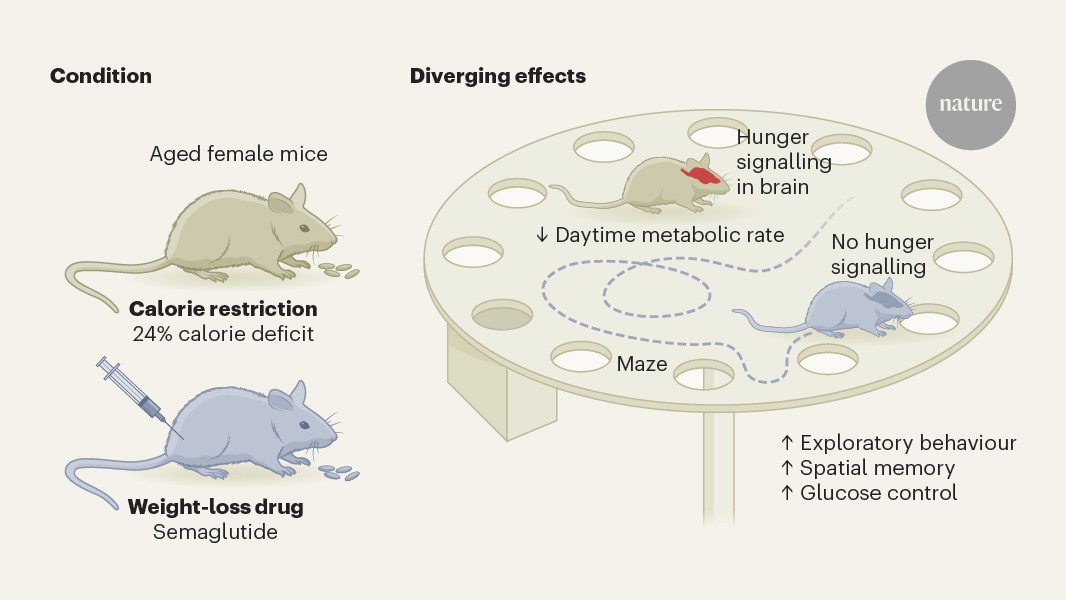
In the study, scientists gave semaglutide to female mice that were 20 months old, roughly equivalent to a woman in her 60s, and injected them with the drug for the rest of their lives. The results showed that the mice on semaglutide explored more, balanced longer on a rotating rod, ran farther on a treadmill, and solved a maze faster, with gains that held even after accounting for the animals' leanness. Compared to the untreated animals, their tissues were less worn out and inflamed, and they died later. A separate experiment found that semaglutide treatment matched the effects of dieting on measures of muscle strength and coordination.
Real-World Implications And Future Outlook
The findings of this study have significant implications for the treatment of various conditions, including obesity, type 2 diabetes, and potentially even aging itself. While the results are promising, it is essential to note that the study was conducted in mice, and further research is needed to determine the effectiveness of semaglutide in humans. However, the fact that semaglutide has already been approved for the treatment of several conditions and has shown promise in clinical trials suggests that it may have a bright future in the field of aging research.Comparison Of Coverage
Both Scientific American and Nature News have reported on the study, with similar findings and implications. However, Nature News provides more context on the potential mechanisms behind the effect of semaglutide, including its ability to quiet down inflammation and fat processing. Scientific American, on the other hand, provides more information on the potential applications of the drug, including its use in the treatment of obesity and type 2 diabetes.Conclusion And Future Directions
In conclusion, the GLP-1 weight-loss medication semaglutide has been found to have a profound impact on aging and lifespan in mice. Further research is needed to determine the effectiveness of semaglutide in humans, but the findings of this study suggest that it may have a bright future in the field of aging research. As researchers continue to explore the potential of semaglutide and other GLP-1 receptor activators, we may uncover new and innovative ways to treat various conditions and potentially even slow down the aging process.Sources
This is an original synthesis by Qivorane based on reporting from the outlets below.