
Brain Implant Enables Paralyzed Individuals to Speak and Gesture
Breakthrough brain implant technology allows paralyzed individuals to communicate through speech and gestures simultaneously.
Introduction To Brain Implant Technology
A groundbreaking brain implant has been developed, enabling people with paralysis to speak and gesture simultaneously through an avatar. This innovative technology has the potential to revolutionize communication for individuals with severe paralysis. Researchers at the University of California, San Francisco, have successfully tested the implant in two participants, demonstrating its ability to decode brain signals and translate them into speech and gestures in real-time.
The Science Behind The Implant
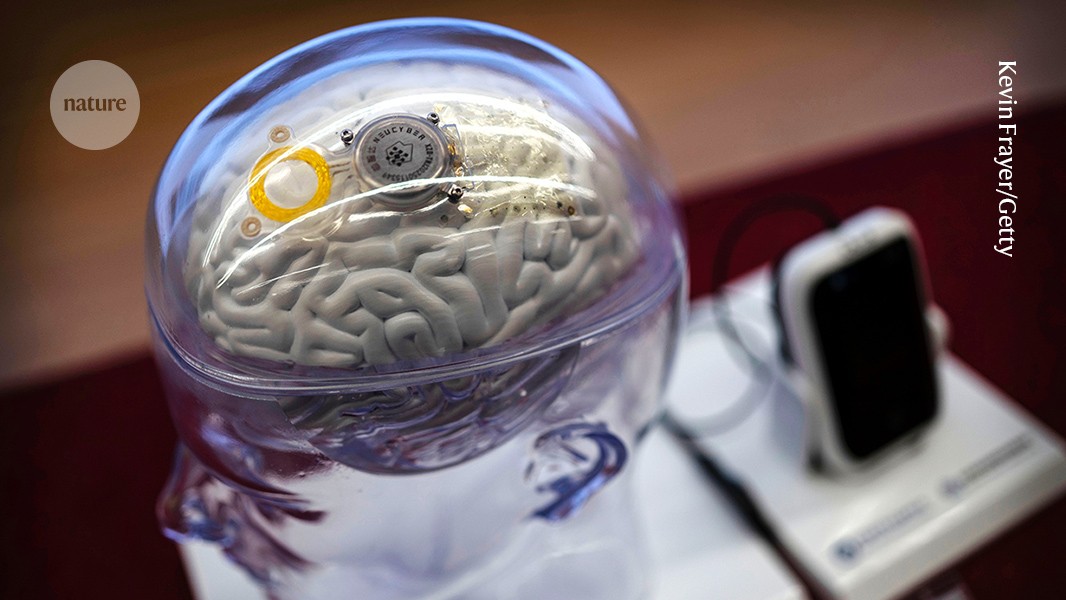
The implant, which is approximately the size of an iPhone, is surgically implanted on the surface of the brain's cortex, covering a large part of the sensorimotor cortex. This region is involved in both speech and movement, allowing the implant to capture signals related to both functions. The implant uses artificial intelligence to convert electrical brain activity into text that appears on screen and to prompt a personalized animated avatar to move. 
Methodology And Findings
The researchers worked with two participants, each with a different type of paralysis. The first participant had impaired speech and movement following a brainstem stroke, while the second participant had amyotrophic lateral sclerosis, a progressive motor neuron disease. The team recorded the participants' brain activity while they attempted to speak or gesture, as well as when they used speech and gestures together. The implant was able to predict the participants' intended phrases and gestures with a high degree of accuracy, ranging from 66% to 88%. The findings demonstrate the potential of this technology to restore communication in individuals with severe paralysis.
Real-World Implications And Future Outlook
The development of this brain implant technology has significant implications for individuals with paralysis, offering a new means of communication and potentially improving their quality of life. While the current system is a proof of concept, the researchers aim to further refine the technology to achieve higher accuracy and to enable individuals to control their own bodies and produce synthetic speech. The potential applications of this technology are vast, and it may pave the way for more multifunctional brain-computer interfaces that can capture the full range of human communication. 
Conclusion And Future Directions
The development of this brain implant technology is a significant step forward in the field of brain-computer interfaces. The ability to decode brain signals and translate them into speech and gestures in real-time has the potential to revolutionize communication for individuals with severe paralysis. While there are still challenges to be addressed, the researchers are working to refine the technology and to explore its potential applications. As the technology continues to evolve, it may offer new hope for individuals with paralysis and other motor disorders, enabling them to communicate more effectively and to regain control over their lives.
Sources
This is an original synthesis by Qivorane based on reporting from the outlets below.